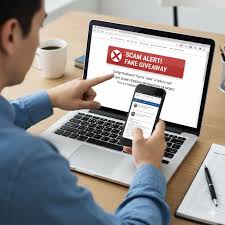
Category: Online Giveaways

  • How To Win More Giveaways
    How To Win More Giveaways

    It’s that moment of pure excitement. You see a shiny new gadget, a dream vacation, or a gift card you’ve been eyeing. You click “Enter” and cross your fingers.

    But then, weeks go by, and you hear nothing. That can feel disappointing, right? Many of us love entering giveaways, but winning feels rare.

    This guide will break down simple steps you can take. You’ll learn how to find better giveaways and increase your odds. Let’s get you closer to that win!

    Winning more giveaways involves smart choices and consistent effort. Focus on reputable contests, understand entry methods, and maximize your chances through honest participation. It’s about playing the odds wisely, not luck alone.

    Understanding the Giveaway Landscape

    Giveaways are everywhere. Brands use them to get attention. They want more followers, more clicks, or to promote a new product.

    You see them on social media, blogs, and company websites. Some are small, offering just a gift card. Others are huge, like a car or a big trip.

    It’s easy to get lost in the sheer number of them. Many people enter every single giveaway they see. This means your chances get spread thin.

    The goal isn’t to enter thousands of contests. It’s about entering the right ones. Knowing where to look and what makes a giveaway worth your time is key.

    We’ll explore how to spot these opportunities.

    Finding the Best Giveaways to Enter

    Where do you find these golden tickets? Many spots offer chances to win. Social media is a big one.

    Instagram, Facebook, and Twitter are full of them. Search for hashtags like #giveaway, #contest, or #win. Many brands announce them there.

    Blogs and websites are also great sources. Many bloggers partner with brands for exclusive giveaways. Look for blogs related to your interests.

    If you love cooking, find food blogs. If you’re into tech, seek out tech review sites. Company newsletters are another good place.

    Sign up for emails from brands you like. They often send special offers and giveaway alerts to their subscribers.

    Keep an eye on local businesses too. Small shops might run local giveaways. These often have fewer entries.

    This can give you a much better shot at winning. Think about your local favorites and see if they do contests.

    Spotting Reputable Giveaways

    Look for Clear Rules: Good giveaways have official rules. These explain how to enter, what you can win, and when it ends. They also say who can enter.

    Check the Host: Is it a well-known brand or a trusted influencer? Be wary of brand new accounts with no history. Scammers sometimes run fake giveaways.

    No Payment Required: Most legitimate giveaways are free to enter. If you have to pay money to enter, it’s likely a scam. Some might ask for a purchase to earn an entry, but direct entry fees are a red flag.

    Privacy Matters: Does the giveaway ask for too much personal info? Stick to ones that only ask for what’s needed to contact you if you win.

    The Power of Specificity: Picking Your Battles

    So, you’ve found a few places to look. Now, how do you pick the best ones? This is where many people go wrong.

    They enter everything. This is like buying lottery tickets for every lottery in the country. You’ll spend a lot of money and have tiny chances everywhere.

    Instead, focus your energy. Think about what you truly want or need. Do you need a new coffee maker?

    Then, look for coffee maker giveaways. Are you saving up for a particular game? Search for that game’s giveaways.

    When you enter contests for things you genuinely care about, it feels more rewarding.

    Also, consider the entry requirements. Some giveaways are super simple, like liking a post. Others require writing an essay, creating a video, or referring friends.

    If a giveaway asks for a lot of work, ask yourself if the prize is worth that effort. For high-effort entries, you want a prize that truly excites you.

    Consider the number of entrants. This is hard to know exactly. But you can often guess.

    A giveaway from a huge celebrity might have millions of entries. A giveaway from a small local bakery probably has far fewer. Smaller, more targeted giveaways are often better for your odds.

    Maximizing Your Entries (The Right Way)

    Many giveaways offer ways to get extra entries. This is where you can really boost your chances. Common ways include:

    • Following on social media
    • Liking or sharing a post
    • Tagging friends
    • Signing up for a newsletter
    • Visiting a website
    • Answering a question

    Always read the rules carefully. Some giveaways have limits on extra entries. For example, you might only be allowed to tag one friend per entry.

    Or you can only share once.

    Be honest. Don’t create fake social media accounts just to get more entries. Many giveaways have systems to detect this.

    And if you win, they might disqualify you. Stick to legitimate ways to earn extra chances. Think of it like earning bonus points.

    Extra Entry Strategies: Quick Scan

    Follow Accounts: Easy win. Just click follow.

    Share Post: Often requires a public share.

    Tag Friends: Check if there’s a limit.

    Visit Website: Sometimes just requires a click.

    Sign Up for Email: Good for future deals too.

    The Role of Consistency: Show Up Often

    Winning giveaways isn’t usually about one lucky guess. It’s about showing up. The more legitimate giveaways you enter, the more opportunities you create for yourself.

    Think of it like practicing a skill. The more you do it, the better you get. And the more chances you have.

    Try to make entering giveaways a small part of your routine. Maybe you do it for 15 minutes each evening. Or on a Saturday morning.

    Find a time that works for you. This way, you don’t feel overwhelmed. You’re just doing a little bit regularly.

    This also helps you spot new giveaways. When you’re looking regularly, you’ll notice them faster. You won’t miss out on ones that end quickly.

    Consistency helps you stay in the game. It’s a marathon, not a sprint.

    Personal Story: The Coffee Maker That Almost Wasn’t

    I remember one time, I was really wanting a new coffee maker. My old one was on its last legs. I saw a giveaway on a local blogger’s site.

    It was for a really nice espresso machine. I usually just entered a few giveaways a month. But this one, I really wanted.

    The rules were pretty simple. Follow the blog, follow the brand on Instagram, and tag two friends in the comments. There was also a bonus entry for signing up for the blogger’s newsletter.

    I did all of it. Then, I nearly forgot about it. A few weeks later, I was scrolling through my email.

    There was a message from the blogger.

    My heart did a little flip. I opened it with shaky fingers. It said, “Congratulations!

    You’ve won the espresso machine!” I was so shocked. I honestly didn’t expect it. It wasn’t a massive giveaway with thousands of entries.

    It was from a blogger with a dedicated, but not enormous, following. And I had done all the entry steps. That win taught me that taking those extra steps and focusing on specific giveaways really does make a difference.

    It felt so good to actually win something I wanted!

    Understanding Odds and Expectations

    It’s important to be realistic. Giveaways are still games of chance. Even with the best strategy, you won’t win every time.

    In fact, you probably won’t win most of the time.

    Let’s say a giveaway has 10,000 entries. If you have 5 entries, your chance is 5 out of 10,000. That’s a small number.

    But it’s much better than having just 1 entry (1 in 10,000).

    The key is to manage your expectations. Don’t get discouraged if you don’t win for a long time. Enjoy the process of entering.

    Think of each entry as a small hope. And when you do win, it will feel amazing because you know you put in smart effort.

    Some people think about the “cost” of entering. If a giveaway requires you to spend money to earn entries, like buying a product, factor that in. Is the potential prize value worth the cost of your entries?

    For most free-to-enter giveaways, the only “cost” is your time. And that’s a worthwhile investment if you enjoy the thrill and have a chance to win.

    Quick Win Probability Check

    Small Prize, Small Entries: Higher chance of winning.

    Big Prize, Big Entries: Lower chance of winning.

    Follow Rules: Always follow for valid entries.

    Extra Entries: Significantly improve your odds.

    Focus Matters: Entering fewer, targeted giveaways can be better than many random ones.

    When to Be Wary: Red Flags in Giveaways

    As mentioned before, not all giveaways are on the up and up. It’s crucial to be able to spot scams. This protects your time, your personal information, and your money.

    Here are some common red flags:

    • Requests for Sensitive Personal Data: Be very careful if a giveaway asks for your Social Security number, bank account details, or credit card information upfront. Only legitimate businesses that need to process payments or verify identity for large prizes might ask for some details later, but never for simple entry.
    • “Guaranteed Win” Promises: No legitimate giveaway can guarantee a win. If an offer sounds too good to be true, it probably is.
    • Unsolicited Contact: If you’re contacted out of the blue saying you’ve won a giveaway you never entered, this is almost always a scam.
    • “Processing Fee” or “Shipping Fee” Scams: This is a classic. You’ve “won” a big prize, but you have to pay a small fee to release it. Once you pay, they disappear or ask for more money.
    • Vague or Non-Existent Rules: A giveaway without clear, accessible rules is suspicious. How can you know what you’re agreeing to?
    • Poorly Designed Websites or Social Media Pages: If the giveaway is hosted on a site that looks unprofessional or has many errors, be cautious.

    The U.S. Federal Trade Commission (FTC) has resources on lottery and sweepstakes scams. It’s always wise to check their advice if you’re unsure.

    Using Tools and Resources

    There are tools that can help you find giveaways. Some websites aggregate giveaways from around the web. Others focus on specific niches, like tech or beauty giveaways.

    These can save you time searching.

    Some tools might also track sweepstakes and contests. You can often filter by prize type, end date, or entry method. This can be a great way to discover opportunities you might have missed.

    However, be careful when using third-party tools. Always ensure the site itself is reputable. And remember, these tools are helpers.

    They don’t replace the need to read the official rules of each giveaway.

    Giveaway Finding Tools: A Snapshot

    Aggregator Sites: Lists giveaways from many sources.

    Niche Blogs: Focus on specific interest areas (e.g., gaming, fashion).

    Social Media Trackers: Help find trending giveaways.

    Email Newsletters: Brands send alerts to subscribers.

    Caution: Always verify the legitimacy of the giveaway itself, not just the finder tool.

    Structuring Your Giveaway Entry Routine

    To really win more, a structured approach helps. Think about creating a simple system. This makes it less of a chore and more of a habit.

    First, decide on your “giveaway time.” Maybe it’s during your commute, or after dinner. Dedicate 10-20 minutes to this.

    Second, have a list of go-to sites or social media accounts you check. This could include your favorite bloggers, brands, or giveaway aggregation sites. This cuts down on endless searching.

    Third, use a simple way to track what you’ve entered. A spreadsheet or even a notebook works. Note the giveaway name, the prize, the end date, and any entry confirmation you get.

    This prevents duplicate entries and reminds you when things end.

    Fourth, set a reminder for entries that require multiple steps over time. Some giveaways have daily entry options. Your tracker can help you remember to do those.

    This routine keeps you organized. It ensures you’re entering strategically and consistently. It’s about making the process work for you.

    The “Why” Behind Giveaways: What Brands Gain

    Understanding why brands run giveaways can also inform your strategy. They aren’t just being nice! They have goals.

    Brand Awareness: They want more people to know their name.

    Engagement: Likes, shares, comments, and follows boost their visibility on social media.

    Lead Generation: Collecting email addresses helps them build a customer list for future marketing.

    Product Launches: Giveaways can create buzz around a new product.

    User-Generated Content: Some giveaways ask participants to create photos or videos, which the brand can then use.

    Knowing this helps you see which types of giveaways might be more common or have specific goals. For example, a giveaway asking for a creative photo might be focused on content creation. A simple “follow and tag” is for awareness and engagement.

    Brand Giveaway Goals: The Inside Scoop

    Boost Social Media: Get more likes and followers.

    Increase Website Traffic: Drive visitors to their site.

    Build Email Lists: Collect contact info for marketing.

    Gather Feedback: Sometimes ask questions about products.

    Promote New Items: Create excitement for launches.

    When to Worry: Signs a Giveaway Is Not Worth It

    There are times when a giveaway, even if not a scam, just isn’t a good use of your time. Consider these points:

    • The Prize Isn’t Valuable to You: If the prize is something you’d never use or want, why bother entering? Your time is valuable.
    • Entry Requirements Are Too Burdensome: Does it ask for hours of work? If the prize is small, it’s probably not worth it.
    • Too Many Entries Expected: If it’s a massive, global giveaway for a small prize, your odds are incredibly slim.
    • It Causes Stress: If tracking entries or meeting requirements feels like a job you dread, it’s not fun. Giveaways should be enjoyable!

    It’s okay to say “no” to entering. Focus on the opportunities that align with your interests and offer reasonable odds for the effort involved.

    What This Means for You: Practical Takeaways

    Winning more giveaways boils down to being smart and consistent. It’s not about luck alone. It’s about making informed choices.

    Be Selective: Don’t enter every giveaway. Pick ones that excite you and have better odds. Focus on prizes you actually want.

    Read the Rules: Always understand how to enter and what the terms are. This prevents mistakes and disqualification.

    Maximize Entries: Take advantage of bonus entries, but do it honestly.

    Stay Consistent: Make entering giveaways a regular, manageable habit.

    Be Safe: Watch out for scams and protect your personal information.

    Manage Expectations: Enjoy the process, and don’t get discouraged by not winning all the time.

    By following these steps, you’ll naturally increase your chances of seeing your name called. It’s about playing the game with a little more strategy.

    Quick Tips for Boosting Your Chances

    Here are some actionable tips:

    • Set Up Email Filters: Create a separate folder for giveaway entry confirmations and winning notifications. This helps you stay organized.
    • Follow Your Favorite Brands: Many brands run exclusive giveaways just for their followers.
    • Use a Dedicated Entry Tool (Carefully): If you find a reliable tool that helps manage entries, use it. But always double-check the giveaway’s official rules.
    • Enter Daily Entry Giveaways Every Day: If a giveaway allows daily entries, commit to doing it each day. This adds up!
    • Check End Dates: Don’t miss out by entering giveaways that have already closed.
    • Have Your Social Media Profiles Ready: Make sure your profiles are set up correctly and publicly visible if needed for entry.

    Frequently Asked Questions About Winning Giveaways

    How often should I enter giveaways?

    It’s best to enter consistently, but not overwhelm yourself. Aim for a routine, like 15-30 minutes a few times a week. Focus on quality over quantity.

    Enter giveaways you genuinely want to win.

    Is it okay to use a different email for giveaways?

    Yes, many people use a separate email address just for contest entries and newsletters. This helps keep your main inbox clear and makes it easier to spot giveaway notifications.

    What if I see a giveaway asking for my bank details?

    Do not provide them. This is a major red flag for a scam. Legitimate giveaways will not ask for bank account or credit card information just to enter or claim a prize. They might ask for shipping info, but never financial details upfront.

    How do I know if a giveaway is real?

    Look for clear rules, a reputable host (brand or influencer), and no upfront payment required. If it sounds too good to be true, or asks for sensitive personal information, be very suspicious. The FTC offers guidance on spotting sweepstakes scams.

    Can I win more than one giveaway at a time?

    Absolutely! Many people win multiple giveaways. The more legitimate contests you enter wisely, the higher your overall chances become over time.

    Just make sure you follow all the rules for each individual contest.

    Should I always take extra entries?

    If the giveaway offers extra entries for tasks like sharing or tagging friends, it’s usually a good idea to do them. These can significantly boost your odds. Just ensure you follow the instructions for each bonus entry method.

    Conclusion

    Winning giveaways can be a fun and rewarding hobby. By being strategic, consistent, and cautious, you can improve your chances significantly. Focus on quality entries, understand the landscape, and stay safe.

    Happy entering, and may your next click lead to a win!

  • Giveaway Security Checklist

    Giveaway Security Checklist

    A secure giveaway means protecting your personal details and ensuring the prize is real. This checklist helps you identify trustworthy promotions, avoid scams, and keep your information safe while participating in online contests and giveaways.

    Understanding Giveaway Security

    Giveaways can be wonderful. They offer prizes for a little effort. Think about entering a sweepstakes for a new gadget or a gift card.

    It’s exciting to think you might win. But with online activities, there’s always a chance for risks. Not all giveaways are honest.

    Some people try to trick others. They might want your personal information. Or they might pretend to give away a prize they don’t have.

    This is where understanding giveaway security comes in. It’s about knowing what to look for. It’s about staying safe online.

    This article will guide you. We’ll cover how to check if a giveaway is safe. We will talk about what details to share and what to keep private.

    You’ll learn to spot red flags. This way, you can enjoy entering giveaways without worry. Your peace of mind is key.

    We want you to feel confident.

    My First Scare with a “Too Good to Be True” Giveaway

    I remember one time, I was scrolling through social media. I saw a post for a brand new, top-of-the-line laptop. It was being given away by a page I’d never seen before.

    The pictures were amazing. The description said I just had to like, share, and tag three friends. Easy peasy, right?

    My heart did a little flip. A free laptop! I was already picturing myself using it for work.

    I quickly hit share and tagged my friends. Then I went to the page to see more. That’s when I noticed something strange.

    The page had very few followers. Their profile picture was just a generic stock photo. It felt a little hollow.

    I started to get a weird feeling in my gut. I looked closer at the comments. Most were just excited people saying “Wow!” or “Me!”.

    But a few comments seemed a bit off. They were asking if it was a real giveaway. There were no answers from the page.

    That’s when the slight panic set in. Had I just shared my profile with some scammer?

    I quickly un-shared the post. I felt a bit silly, but also relieved. It was a good lesson.

    If something seems too good to be true, it often is. That experience taught me to slow down and check things. Now, I always use a mental giveaway security checklist before I even think about entering.

    Spotting Fake Giveaway Pages

    Look at the Follower Count: A real company will likely have many followers. A page with very few might be fake.

    Check the Profile Is it a professional logo? Or a generic image? Be cautious if it looks copied.

    Read the “About Us” Section: Does it give real company info? Or is it vague?

    Examine Past Posts: Are they all about giveaways? Or do they show real products and company news?

    The Anatomy of a Trustworthy Giveaway

    So, what makes a giveaway feel safe? It’s usually about transparency and professionalism. Think of brands you know.

    When they run a contest, it feels different. They have clear rules. They have contact information.

    They want to build trust, not take advantage.

    A good giveaway will have clear terms and conditions. These are often called “T&Cs” or “Official Rules.” They tell you exactly how to enter. They explain who can enter.

    They state when the giveaway starts and ends. They also mention how the winner will be picked and notified. This shows they’ve thought it through.

    The company or person running it should be easy to find. If it’s a business, check their website. Look for social media profiles that are active and look real.

    If it’s an individual, see if they have a history of honest dealings. Trustworthy giveaways don’t hide who they are.

    The prize should make sense. A small local shop giving away a $10 gift card is believable. A brand new designer handbag from a brand new, unknown account might not be.

    It’s about matching the prize to the giver.

    Quick Scan: Trustworthy vs. Questionable

    Trustworthy:

    • Clear rules and eligibility.
    • Known brand or individual.
    • Realistic prize for the giver.
    • Professional communication.

    Questionable:

    • Vague or missing rules.
    • Anonymous or new accounts.
    • “Too good to be true” prizes.
    • Pressure to act fast.

    Red Flags: What to Watch Out For

    Now, let’s talk about the warning signs. These are the things that should make you pause. They are signals that a giveaway might not be on the up and up.

    One big red flag is pressure. If a giveaway says “Enter NOW! Offer ends in 5 minutes!” it can be a sign.

    Scammers want you to act fast. They don’t want you to think. They want you to click without checking.

    Another sign is asking for too much personal information upfront. Do you really need to give your social security number to enter a giveaway for a coffee mug? Absolutely not.

    Stick to information that is truly needed for a sweepstakes, like your name and email. Your bank details or SIN are usually unnecessary.

    Requests for money are a huge red flag. A legitimate giveaway will not ask you to pay a fee to claim your prize. They might ask for shipping costs sometimes, but this should be stated clearly in the rules.

    Anything asking for upfront payment to “unlock” your prize is a scam.

    Spelling and grammar errors can also be a sign. While small typos happen, a giveaway riddled with mistakes might not be from a professional source. It could be a sign of a rushed or poorly planned scam.

    Always trust your gut feeling.

    Top Red Flags for Giveaways

    Urgency: Pressure to enter immediately.

    Overly Personal Data: Asking for sensitive info like bank details or SSN.

    Payment Requests: Asking for money to claim a prize.

    Poor Quality: Lots of typos, bad grammar, or low-quality images.

    Lack of Contact: No clear way to contact the organizer.

    Your Giveaway Security Checklist in Action

    Let’s put this into practice. Imagine you see a giveaway. What steps do you take?

    This is your personal giveaway security checklist.

    Step 1: Who is running it?

    • Is it a known brand? (e.g., Coca-Cola, Target, a popular blogger with a good reputation)
    • If it’s a brand, visit their official website. See if the giveaway is promoted there.
    • If it’s an unknown account, do a quick search for the account name. Look for reviews or mentions elsewhere.

    Step 2: What are the rules?

    • Can you find “Official Rules” or “Terms and Conditions”?
    • Read them! Do they make sense? Are they clear about eligibility and prize details?
    • Are there any hidden requirements?

    Step 3: What information do they want?

    • For entry: Name and email are usually fine.
    • For claiming a prize: Address for shipping is okay.
    • Anything more? Be very cautious.

    Step 4: Is there any cost involved?

    • They should never ask for money to receive your prize.
    • Be wary of “processing fees” or “tax payments” requested upfront.

    Step 5: Does it feel right?

    • Trust your instincts. If something feels fishy, it probably is.
    • It’s better to miss out on a prize than to be scammed.

    Quick Decision Tree: Enter or Skip?

    Start Here: You see a giveaway you like.

    Question 1: Is it from a reputable source (known brand, trusted influencer)?

    • Yes: Proceed to Question 2.
    • No: STOP. Skip this giveaway.

    Question 2: Are the rules clear and easy to find?

    • Yes: Proceed to Question 3.
    • No: STOP. Skip this giveaway.

    Question 3: Does it ask for excessive personal information or payment?

    • No: You can likely enter safely.
    • Yes: STOP. Skip this giveaway.

    Protecting Your Personal Information

    This is a critical part of giveaway security. Your personal details are valuable. Scammers want them for identity theft or to send you spam.

    Use a separate email address. Many people set up a free email account (like Gmail or Outlook) just for contests and online sign-ups. This way, if that account starts getting a lot of spam, it doesn’t affect your main email.

    Be mindful of what you share publicly. When entering on social media, check your privacy settings. Do you want everyone to see that you entered this contest? Usually, it’s better to keep your personal profile private.

    Never share passwords. A legitimate giveaway won’t ask for your existing online account passwords. This is a huge security risk.

    Understand data usage. Most rules will state how your data is used. Some might say they’ll share it with partners. Think about whether you’re okay with that.

    You can often opt out of marketing communications later.

    Smart Data Habits for Giveaways

    Dedicated Email: Use a separate email for contest entries. This helps filter spam.

    Limited Public Sharing: Adjust social media privacy settings. Only share what you are comfortable with.

    Password Safety: Never give out your login credentials to anyone. No legitimate giveaway requires it.

    Review Privacy Policies: Understand how your information will be used by the organizer.

    Common Scams to Watch For

    Beyond just fake pages, there are specific scams that often use giveaways as bait.

    Phishing Scams: These often come as emails or direct messages. They might say, “Congratulations! You’ve won!

    Click here to claim your prize!” The link might take you to a fake website designed to steal your login details or financial information. The sender might look like a real company, but the email address is slightly off, or the website URL is misspelled.

    “Delivery Fee” Scams: You might be told you’ve won a big prize, but you need to pay a small “delivery fee” or “insurance fee” to get it. Once you pay, the prize never arrives, and you might get asked for more money.

    Fake Winner Notifications: Sometimes, a scammer will contact you directly, claiming you’ve won a prize from a contest you don’t even remember entering. They’ll ask for information to “verify your identity,” which is really them trying to steal your data.

    Lottery Scams: Similar to delivery fee scams, these will claim you’ve won a large sum of money, but you have to pay taxes or fees upfront. Real lotteries and sweepstakes don’t work this way; taxes are usually paid by the winner to the government, not to the promoter.

    Scam Type Breakdown

    Phishing: Steals login or financial details via fake links.

    Delivery Fee: Asks for money to ship a prize that never comes.

    Fake Winner: Pretends you won something you didn’t, asks for info.

    Lottery Scam: Demands upfront payment for taxes or fees on winnings.

    When to Contact the Organizer (and How)

    If you have genuine questions about a giveaway, it’s good to reach out. This shows the organizer is legitimate if they respond helpfully.

    Look for a “Contact Us” page on their website. Or check their official social media profiles for a message option. A professional organization will have a clear way to get in touch.

    What kind of questions should you ask? You could ask for clarification on the rules. Or inquire about the prize details.

    If you’ve won, and you’re unsure about the notification process, it’s okay to ask for more information before providing sensitive data.

    Be wary if they are hard to reach or if their responses are evasive. That’s another signal that something might be wrong. A good interaction builds trust.

    A poor one raises suspicion.

    What If You Suspect a Scam?

    If you think you’ve encountered a giveaway scam, it’s important to act. Don’t just ignore it.

    Report it. On social media platforms, there’s usually an option to report fake accounts or posts. Use it. This helps the platform remove the scammer and protect others.

    Do not engage further. If you’ve already shared information, stop all communication. Don’t reply to any more messages or emails from them. Changing your passwords for any accounts where you might have used similar details is a good idea.

    Inform friends and family. If a scam is circulating, let your network know. This can prevent them from falling victim.

    Consider reporting to authorities. If you have lost money or sensitive information, you can report it to the Federal Trade Commission (FTC) at FTC.gov. You can also report fraud to your local police.

    Steps if You Suspect a Scam

    Report on Platform: Use the reporting tools on social media or email services.

    Cease Contact: Do not respond to any further communication from the scammer.

    Secure Accounts: Change passwords for any affected accounts.

    Warn Others: Let friends and family know about the scam.

    Official Reporting: Consider reporting to the FTC or local law enforcement if losses occurred.

    Long-Term Giveaway Strategy

    Entering giveaways can be fun. You don’t have to stop. You just need to be smart.

    Think of yourself as a detective when you see a new offer.

    Focus on Reputable Sources: Prioritize giveaways from brands you know and trust. They have more to lose from running fake promotions.

    Read Before You Click: Make it a habit to look for the rules. Spend just a minute or two checking the source.

    Be Skeptical of “Free”: Nothing is truly free. Understand what the giveaway organizer hopes to gain. Is it brand awareness?

    Email subscribers? As long as their methods are honest, it’s okay.

    Keep Records (Optional): For significant giveaways you enter, you might keep a note of the rules and the date. This is more for your own tracking if needed later.

    A solid giveaway security checklist isn’t just about avoiding scams. It’s about making sure your participation is safe and enjoyable. It’s about protecting yourself in the digital world.

    Frequently Asked Questions about Giveaway Security

    Can I trust giveaways advertised on Facebook?

    Many legitimate businesses and influencers use Facebook for giveaways. However, fake pages and scams are also common. Always apply your giveaway security checklist.

    Look for verified pages, clear rules, and avoid sharing sensitive information or paying fees.

    What’s the difference between a sweepstakes and a lottery?

    Sweepstakes and contests are legal and common. Lotteries typically require payment to enter and are heavily regulated, often being illegal for private organizations to run without licenses. In legitimate sweepstakes, you should not have to pay to enter or to win a prize.

    Should I use my main email for giveaways?

    It’s highly recommended to use a separate, dedicated email address for giveaways and online sign-ups. This helps manage spam and protects your primary email account from potential phishing attempts related to contest entries.

    How do I know if a prize notification is real?

    Legitimate prize notifications will typically come from an official email address or social media account of the promoter. They will usually direct you to official rules for claiming. Be very suspicious if they ask for immediate payment, banking details, or personal identification before you’ve confirmed the win through official channels.

    What if a giveaway asks me to share my banking information?

    Never share your banking information, credit card numbers, or Social Security number for a giveaway. Legitimate prize claims usually only require your name and shipping address. Any request for financial details upfront is a major red flag for a scam.

    How can I check if a company running a giveaway is real?

    Search for the company name online. Visit their official website. Look for an “About Us” section, contact information, and social media profiles.

    If the giveaway is on social media, check the page’s history, follower count, and engagement. If it seems too difficult to find legitimate information, be cautious.

    Conclusion

    Entering giveaways should be a fun experience. By using a careful approach and your giveaway security checklist, you can significantly reduce risks. Stay informed, trust your gut, and enjoy the chance to win!

  • Reporting Giveaway Fraud

    Reporting Giveaway Fraud

    Reporting giveaway fraud is important to protect yourself and others. This guide covers how to identify common scams, what steps to take if you suspect fraud, and how to report it to the right places. Knowing these steps helps keep online spaces safer for everyone.

    Understanding Giveaway Fraud

    Giveaway fraud happens when someone pretends to offer a prize or giveaway. The goal is usually to trick you into giving them money or personal information. These scams can look very real at first glance.

    They often play on our desire for free things.

    Scammers use many tricks. They might say you’ve won a big prize. But you have to pay a fee first.

    This fee is often called a processing fee, shipping cost, or tax. Once you pay, they disappear. You never get the prize.

    They might also ask for your bank details. This is so they can steal your money.

    Common Types of Giveaway Scams

    Knowing the common tricks helps you avoid them. Scammers are always changing their methods. But some tactics stay the same.

    Let’s look at a few you might see.

    Spotting a Fake Prize Notification

    How it looks: You get an email, text, or social media message. It says you won a lottery, sweepstakes, or contest. The prize is huge, like a new car or cash.

    You are asked to click a link. Or you must reply with personal data.

    Why it’s a scam: Legitimate giveaways don’t ask for money upfront. They also don’t demand sensitive details like your Social Security number or bank account PIN. Real winners are usually notified through official channels, not random messages.

    Another common scam involves fake charities. They might claim to be running a giveaway. Part of the proceeds goes to a good cause.

    But the charity is fake. Or the money never goes to charity. This makes the scam seem more trustworthy.

    Sometimes, scammers impersonate well-known companies. They might use logos and names you recognize. This makes their fake giveaway seem official.

    They hope you’ll trust them because you know the brand.

    The “You’ve Won, Just Pay for Shipping” Trap

    What happens: You “win” an item. It could be a phone, a gift card, or electronics. The catch is you must pay for shipping.

    This cost is often high. Sometimes, it’s more than the item is worth.

    The reality: There is no prize. The scammer just wants your payment. They might also collect your credit card details.

    This can lead to more fraud.

    Social media is a hotbed for these scams. Many fake profiles and pages run fake giveaways. They might ask you to share a post or tag friends.

    This helps spread their scam. They promise a prize for engagement.

    These scams can be very convincing. They use urgency. They might say the offer is only for a short time.

    This pressures you to act fast. They want you to skip thinking it through.

    My Experience with a Close Call

    I remember one evening, scrolling through social media. I saw a post from what looked like a popular electronics store. It said they were giving away the latest smartphone to 10 lucky followers.

    My heart skipped a beat. I’d been wanting that phone for ages! The post asked me to like the page, share the post, and comment with my favorite color.

    I did all that. A few days later, I got a direct message. It said, “Congratulations!

    You’ve been chosen!” I was so excited. The message then said I just needed to pay a small “processing fee” of $50 to cover shipping and handling. They wanted me to click a link to a website that looked very official.

    It had the store’s logo and everything. But something felt a little off. Why would a big store ask for a fee like that?

    I paused. I decided to do a quick search. I found forum posts from people who had fallen for similar scams.

    They lost their money and never got a phone. That close call taught me a valuable lesson about checking things out before jumping in.

    The “Survey and Win” Deception

    The setup: You’re asked to complete a survey. It promises a chance to win a valuable prize. Surveys are often about your shopping habits or opinions.

    They seem harmless and informative.

    The danger: Scammers collect your personal data from the survey. This can include your name, address, phone number, and even birthdate. They sell this data to other scammers.

    Or they use it for identity theft. You never win the prize.

    Another tactic is phishing. Scammers send emails that look like they come from a legitimate company. They might say you need to “verify your account” to claim a prize.

    This involves clicking a link. The link leads to a fake login page. It looks like the real company’s site.

    If you enter your username and password, the scammers steal them. They can then access your actual accounts.

    These scams target people of all ages. They can happen through email, text messages, social media, and even phone calls. It’s important to be aware of all these methods.

    What To Do If You Suspect Fraud

    If something feels wrong, trust your gut. Don’t ignore that feeling. There are clear steps you can take.

    The most important thing is to stop communication immediately.

    Do not click any links in suspicious messages. Do not reply to the sender. Do not give them any personal information.

    This includes your name, address, phone number, email, or bank details. If they ask for a password or security question answer, do not provide it.

    Immediate Actions to Take

    • Stop communication: Do not reply or engage further.
    • Do not click links: These can lead to malicious websites.
    • Do not share information: Protect your personal and financial data.
    • Block the sender: Prevent further contact.

    If you have already shared information, act quickly. If you gave bank details, contact your bank right away. They can help you secure your account.

    They can monitor for suspicious activity. They might be able to stop fraudulent transactions.

    If you clicked a link, run a scan on your computer or phone. Use reputable antivirus software. This can help detect and remove any malware.

    Change passwords for important online accounts, especially if you entered them on a suspicious site.

    If You Gave Personal or Financial Data

    Banks: Call your bank or credit card company. Explain what happened. Ask them to monitor your accounts and cancel compromised cards.

    Credit Bureaus: Consider placing a fraud alert on your credit reports. Contact Equifax, Experian, or TransUnion. This warns lenders to verify your identity before opening new credit.

    Identity Theft: If you believe your identity is stolen, file a report with the Federal Trade Commission (FTC) at IdentityTheft.gov.

    It’s also a good idea to keep records. Save copies of the suspicious messages. Note down dates and times.

    This information can be helpful if you decide to report the scam.

    How to Report Giveaway Fraud

    Reporting fraud is crucial. It helps authorities investigate. It also helps protect others from falling victim.

    There are several places you can report these scams.

    The Federal Trade Commission (FTC) is a key agency. You can report fraud and bad business practices at ReportFraud.ftc.gov. The FTC doesn’t resolve individual complaints.

    But it uses these reports to build cases against scammers. They can take legal action.

    Where to Report Online Scams

    Federal Trade Commission (FTC): ReportFraud.ftc.gov. This is for reporting fraud, identity theft, and bad business practices.

    Internet Crime Complaint Center (IC3): ic3.gov. This is a partnership between the FBI and the National White Collar Crime Center. It’s for reporting cybercrimes.

    Consumer Financial Protection Bureau (CFPB): consumerfinance.gov. This agency helps consumers with financial products and services. You can report issues here.

    If the scam happened on social media, report it directly to the platform. Most platforms have a way to report fake accounts, posts, or messages. This can help get the scammer’s profile removed.

    It stops them from reaching more people.

    For email scams, you can report them to your email provider. Most email services have a “report spam” or “report phishing” button. This helps train their filters.

    Reporting on Social Media Platforms

    • Facebook: Report fake pages, profiles, and posts directly on the platform.
    • Instagram: Use the reporting tools within the app for suspicious accounts and comments.
    • X (formerly Twitter): Report spam, fake accounts, and malicious tweets.
    • TikTok: Report inappropriate content and fake accounts through the app’s reporting features.

    If the scam involved a fake check or money order, you might report it to the U.S. Postal Inspection Service. They handle mail fraud.

    If it involves a specific company, you can report them to the Better Business Bureau (BBB). While the BBB doesn’t enforce laws, it tracks complaints.

    If you were asked to send money via wire transfer or gift cards, report it to the company you used. Western Union and MoneyGram, for example, have fraud reporting lines. They might be able to stop a transaction if it’s recent.

    It’s a long shot, but worth trying.

    Protecting Yourself from Future Scams

    Prevention is always better than cure. Staying informed and cautious is your best defense. Think of it like locking your doors.

    You do it to keep your home safe.

    Always be skeptical of offers that seem too good to be true. They usually are. Take a moment to think before you act.

    Who is offering this? Is it a real company or person? How did they contact me?

    Key Prevention Strategies

    Be Skeptical: If it sounds too good to be true, it probably is.

    Verify Information: Look up the company or person independently. Don’t rely on the contact info they provide.

    Protect Your Data: Never share sensitive personal or financial information online unless you are absolutely sure of the source.

    Use Strong Passwords: Use unique, strong passwords for all your online accounts. Consider a password manager.

    Enable Two-Factor Authentication (2FA): Add an extra layer of security to your accounts whenever possible.

    Never give out your bank account numbers, credit card details, or Social Security number in response to an unsolicited email or message. Legitimate companies will not ask for this information that way. Instead, they’ll usually direct you to log into your secure account on their official website.

    Be careful about what you share on social media. Scammers can use publicly available information to make their scams seem more personal. They might pretend to be a friend or family member.

    This is called social engineering.

    Advanced Security Tips

    Secure Your Devices: Keep your phone and computer software updated. Install reputable antivirus software.

    Educate Yourself: Stay aware of current scam trends. Read about new types of fraud.

    Talk to Others: Discuss potential scams with friends and family. A second opinion can be helpful.

    Use Secure Connections: Avoid entering sensitive data on public Wi-Fi. Look for ‘https’ in the website address.

    Sometimes, it’s not just about money. Scammers can steal your identity. This can have long-lasting consequences.

    So, taking these protective steps is very important for your overall security.

    Real-World Scenarios and Red Flags

    Let’s explore some scenarios you might encounter. This helps paint a clearer picture of how these scams work in practice.

    Scenario 1: The Unexpected Prize Notification

    You get an email saying you’ve won a $1,000 gift card from a major online retailer. To claim it, you must pay a $49.99 “processing fee” by clicking a link. The email uses the retailer’s logo.

    It looks official.

    Red Flags:

    • Unsolicited prize: Did you enter a contest for this specific prize?
    • Upfront fee: Legitimate companies don’t charge fees to claim a prize.
    • Urgency and link: They want you to click a link quickly, likely to a phishing site.
    • Grammar/Spelling: Often, scam emails have errors.

    Scenario 2: The “Friend” Request for Help

    A message pops up on social media from someone you know. They say they’re in trouble and need you to buy gift cards for them. They promise to pay you back quickly.

    They might say their own cards aren’t working.

    Red Flags:

    • Unusual request: Is this typical behavior for your friend?
    • Urgency: They claim it’s an emergency.
    • Method of payment: Scammers love gift cards because they are hard to trace.
    • Verification: Call your friend on a known phone number to verify. Don’t use the number in the message.

    Contrast: Legitimate vs. Scam Giveaways

    Normal Giveaway:

    • Clear rules and entry methods.
    • No request for payment to receive prize.
    • Prize is delivered after winner verification.
    • Official contact methods (company website, official social media).

    Scam Giveaway:

    • Vague or no official rules.
    • Demands money for fees, taxes, or shipping.
    • Asks for sensitive personal information upfront.
    • Uses generic email addresses or suspicious links.
    • Creates a sense of urgency.

    Scenario 3: The “Too Good To Be True” Sweepstakes

    You receive a letter claiming you’ve won a lottery or sweepstakes you never entered. It congratulates you on a massive cash prize. But first, you must send a certain amount for “taxes” or “processing.”

    Red Flags:

    • Winning a contest you didn’t enter: This is a classic sign.
    • Payment required for winnings: Legitimate lotteries pay you. They don’t ask you to pay them.
    • Demand for specific payment methods: Scammers prefer untraceable methods like wire transfers or gift cards.
    • Official-looking documents: Scammers can forge these.

    It’s important to remember that legitimate giveaways exist. Many companies offer them. But they operate transparently.

    They follow rules. They don’t try to trick you.

    What This Means for You

    Understanding giveaway fraud helps you protect your money and your identity. It means being more aware when you see exciting offers. It’s about pausing to think before you click or share.

    When it’s normal to see offers, it’s when they are clearly from trusted brands. You likely entered them yourself. They don’t ask for money first.

    You can find their official rules on their website.

    When to worry is when an offer feels off. If you’re asked for payment to get a prize. If you get unexpected notifications.

    If the sender seems shady. These are signs to be extra careful.

    Simple Checks You Can Do

    Verify the Source: Go directly to the company’s official website. Look for the giveaway details there. Don’t use links from the suspicious message.

    Read the Fine Print: Look for official rules. These usually explain how winners are chosen and contacted.

    Search Online: Type the company name and “giveaway scam” or “prize scam” into a search engine. See if others have reported issues.

    Trust Your Instincts: If it feels wrong, it probably is. Don’t be afraid to walk away from a deal.

    Taking a few extra minutes to verify can save you a lot of trouble. It’s about being an informed consumer in a digital world. Your digital safety is just as important as your physical safety.

    Quick Fixes & Tips

    While there are no instant “fixes” for when you’ve been targeted by a scam, there are smart steps to take to minimize damage and prevent future issues.

    Tip 1: Be a Digital Detective. Before entering any giveaway, do a quick search for the company and “giveaway reviews” or “scam.” Look for official websites, not just social media pages.

    Tip 2: Never Pay to Play. If a prize requires you to pay a fee, tax, or shipping costs upfront, it’s almost always a scam. Legitimate giveaways handle these things differently, or they are part of the prize value.

    Tip 3: Guard Your Personal Data. Your Social Security number, bank account details, and passwords are gold. Keep them safe. Only share them when you are absolutely certain of the recipient’s legitimacy and necessity.

    Actionable Tips for Safety

    • Verify the Sender: Check email addresses for odd domains (e.g., @gmail.com instead of @companyname.com).
    • Use Strong Security: Enable two-factor authentication on all important accounts.
    • Report Suspicious Activity: Use platform reporting tools and government agencies to report scams.
    • Stay Informed: Keep up-to-date on common scam tactics.

    Tip 4: Use Secure Payment Methods. If you must pay for something related to a giveaway (like an optional add-on), use credit cards. They offer better fraud protection than debit cards or wire transfers.

    Tip 5: Educate Your Loved Ones. Talk to your family and friends, especially older adults and younger people, about these scams. Share what you’ve learned.

    Frequent Questions

    How can I tell if a social media giveaway is real?

    Look for clear terms and conditions. Check if the company has a verifiable website. See if they have many followers and engagement.

    Be wary if they ask for money or personal details too soon.

    I got an email saying I won a lottery, but I never entered. What should I do?

    This is very likely a scam. Do not reply or click any links. Report the email to your email provider as phishing.

    You can also report it to the FTC at ReportFraud.ftc.gov.

    What if I already paid money for a fake prize?

    Contact your bank or credit card company immediately. Explain what happened. They may be able to help recover funds.

    Also, report the scam to the FTC and IC3.

    Can I report a fake giveaway even if I didn’t lose money?

    Yes, you absolutely can. Reporting helps authorities track scammer activity. This can prevent others from losing money.

    It’s important for community safety.

    What kind of personal information is dangerous to share for a giveaway?

    Never share your Social Security number, bank account details, credit card numbers, passwords, or your mother’s maiden name. Legitimate giveaways only need contact info like name and email, and usually only after you win.

    Are all online sweepstakes scams?

    No, not all online sweepstakes are scams. Many legitimate companies run them. The key is to be vigilant.

    Always verify the source and look for red flags like requests for payment or sensitive data.

    Conclusion

    Navigating the world of online giveaways requires a sharp eye. Understanding how fraud works is your first line of defense. Always question offers that seem too good to be true.

    Report any suspicious activity. By staying informed and cautious, you can protect yourself and help make online spaces safer.

  • Giveaway Scam Examples

    Giveaway Scam Examples

    Giveaway scams are tricky traps online. They look real, like chances to win prizes. But they are fake.

    Their goal is to steal your money or your private info. Knowing what these scams look like helps you stay safe and avoid being tricked.

    What Are Giveaway Scams?

    Online, people love contests. They offer real prizes. Scammers know this.

    They create fake contests. These fake contests are called giveaway scams. They aim to trick you into giving them things they want.

    This could be your bank details. It could also be your social security number. Sometimes, they just want you to pay a small fee.

    This fee is supposed to be for shipping. But there is no prize coming.

    These scams are everywhere. You might see them on social media. They can pop up in emails.

    They might even show up on fake websites. The scammers make them look very real. They use logos that look like famous brands.

    They use exciting language. They make you feel like you have already won.

    My First Run-In With a Fake Prize

    I remember a few years ago. I was scrolling through my feed one lazy Sunday afternoon. Up popped an ad.

    It said I had won a brand-new laptop. It was from a store I liked. I clicked it.

    A page loaded. It had shiny pictures of the laptop. It said, “Congratulations!

    You’re our 1000th visitor!” My heart did a little jump. This had to be real, right?

    Then, it asked for my address. That felt okay. It was just to mail the prize.

    But then it said I needed to pay a small “processing fee.” It was only $5.99. “To cover shipping,” it said. Five ninety-nine?

    That seemed so small. It felt like a good deal for a new laptop. I almost clicked “pay.” But something felt off.

    Why would they charge for shipping on a prize they were giving away? I closed the tab. Later, I looked up the store.

    They had no contest running. That felt like a close call. It made me more careful.

    Spotting the Red Flags: Quick Checklist

    Too Good to Be True? If it seems amazing, it probably is.

    Urgency Tactics: Scammers say you must act fast.

    Asking for Money: Real contests rarely ask for cash upfront.

    Personal Info Needed: Be wary if they want sensitive data too early.

    Bad Grammar/Spelling: Look for errors that look unprofessional.

    Common Types of Giveaway Scams

    Giveaway scams come in many forms. But they often share similar tricks. Understanding these common types helps you spot them faster.

    Social Media Sweepstakes Scams

    Platforms like Facebook, Instagram, and X (formerly Twitter) are popular spots. Scammers create fake profiles. They post ads for amazing prizes.

    These prizes could be cars, vacation trips, or cash. They might say you’ve won by liking or sharing a post. But the “winners” often have to pay a fee.

    Or they are asked to click a link. This link might lead to a phishing site. That site then steals your login details.

    Sometimes, they ask you to “verify” your account. This means giving them your password. Never do this.

    Legitimate companies will not ask for your password.

    Contrast: Real vs. Fake Social Media Giveaways

    Real Giveaways Often:

    Verified Accounts: Run by official brand pages.

    Clear Rules: Terms and conditions are easy to find.

    No Upfront Fees: Prizes are awarded without payment.

    Trusted Platforms: Use official entry methods.

    Fake Giveaways Often:

    Random Profiles: Created by unknown users.

    Vague Rules: Terms are hidden or missing.

    Demand Payment: Ask for “taxes” or “shipping fees.”

    Suspicious Links: Direct you to unsafe websites.

    “You’ve Already Won” Email Scams

    You might get an email saying you’ve won something. This could be from a brand you know. Or it might be from a “prize notification center.” The email often looks official.

    It might have a company logo. It will state you have won a prize. But to get it, you need to click a link.

    This link is usually malicious.

    The link might download malware onto your computer. Or it takes you to a fake login page. This page looks like a real site.

    You enter your username and password. Then the scammers have your info. They can then access your accounts.

    Another version asks you to confirm your details. They might ask for your full name, address, and birthday. This information can be used for identity theft.

    They might even ask for your credit card number to “verify” your identity. This is a major red flag. Legitimate prize winnings do not require credit card verification.

    Fake Charity Sweepstakes

    Scammers sometimes pretend to be charities. They run fake sweepstakes. They say a portion of the proceeds goes to a good cause.

    This makes people feel good about donating. But in reality, no charity benefits. All the money goes to the scammer.

    Or they use the “charity” name to appear trustworthy while running another scam.

    These can be very convincing. People want to help others. They also like winning prizes.

    The scammer plays on these good feelings. They might use the name of a well-known charity. This makes it harder to doubt them.

    Quick-Scan Table: Typical Scam Demands

    Scam Demand What It Might Really Mean
    “Small shipping fee” Your money for nothing.
    “Tax payment for prize” They want you to pay taxes on a prize that doesn’t exist.
    “Account verification” They want your login details or sensitive personal data.
    “Click this link to claim” A trap to install malware or steal info.

    Gift Card Scams

    Scammers might claim you’ve won a gift card. It could be for a popular store like Amazon or Walmart. They will tell you that you need to pay a small amount to “activate” the card.

    Or they tell you to buy a specific gift card. Then you have to share the gift card number and PIN. This is how they steal the money on the card.

    They play on the idea that a gift card is like cash. You can’t get the money back once it’s gone. So, if you give them a gift card number, that money is lost forever.

    The scammers might also tell you that you have to buy the gift card from a specific store. This is just another way to make it seem legitimate.

    “Lottery” Scams

    These scams often come through email or mail. They tell you that you’ve won a foreign lottery. Or they say you’ve won a prize from a company you’ve never dealt with.

    The catch is, you have to pay a fee. This fee is often called an “advance fee.” It’s supposed to cover processing costs or taxes. But the lottery or prize is fake.

    You lose the money you paid.

    The scammers might send you fake documents. These look like official lottery tickets or prize claims. They want to make it seem real.

    They might even claim you need to pay these fees in a specific way. They might ask for wire transfers or gift cards. These methods are hard to trace and recover.

    This makes them favorites for scammers.

    Real-World Scenarios: How Scams Unfold

    Let’s look at some common ways these scams play out in everyday life. These examples show how tricky they can be.

    The “Too Good to Be True” Phone Call

    Imagine you get a call. A friendly voice says you’ve won a big prize. Maybe it’s a new car or a large sum of money.

    They sound official. They might even say they are from a well-known company. They will say you need to pay a small fee.

    This fee is for “taxes” or “delivery costs.” They might tell you to buy a gift card. Then you have to read them the numbers on the back.

    Once you give them those numbers, the money is gone. They hang up. You never get a prize.

    The scammer uses those gift card numbers to get cash quickly. They might also try to get more personal information. They might ask for your bank account number.

    They say it’s to deposit your winnings. But they just want to steal your money.

    The Phishing Link in a Text Message

    You get a text message. It looks like it’s from your bank or a delivery service. It might say, “Your package is waiting for delivery.

    Click here to confirm your address.” Or, “There’s a security alert on your account. Click here to verify.” You click the link. It takes you to a page that looks exactly like the real website.

    You enter your username and password. Or you might enter your credit card details to “confirm.” This is how they steal your login information. They can then access your accounts.

    They might drain your bank account. Or they could make purchases with your card. It’s a very common and effective scam.

    Observational Flow: Following a Scam

    1. The Hook: You see an ad or get a message about winning something amazing.

    2. The Lure: The message seems real. It might use a known brand’s name or logo.

    3. The Ask: You’re told you need to pay a small fee or provide info to get your prize.

    4. The Click: You either pay, give info, or click a suspicious link.

    5. The Loss: Your money is gone, or your personal data is stolen.

    6. The Silence: The scammer disappears. No prize ever arrives.

    The “Fake Survey” Scam

    Some scams ask you to fill out a survey. They say it’s for market research. Or they say it’s to help them choose winners.

    After you finish the survey, they tell you you’ve won. But to claim your prize, you need to pay a small fee. Or you need to provide personal banking details.

    This is a way to get your information or money.

    The survey itself might also be a way to collect data. It could ask for details about your habits or preferences. This information can be sold to marketing companies.

    Or it could be used to target you with other scams later on. The survey is just a front for their real goal.

    What This Means for You: When to Be Cautious

    It’s important to know that not all giveaways are scams. Many companies run legitimate contests. But you need to be smart.

    You need to know the signs.

    Normal vs. Concerning Signs

    A legitimate giveaway might ask you to follow a brand on social media. They might ask you to share a post. They will likely have clear rules about how to enter.

    They will tell you when the contest ends. They will tell you how winners are chosen. And they will announce the winner publicly.

    A concerning sign is when they ask for money upfront. This is the biggest warning. Real prizes don’t cost you money to receive.

    Another concerning sign is when they ask for too much personal information. Things like your social security number or bank account details should not be asked for early in a contest.

    If a contest seems too exciting, like you’ve won something amazing that you didn’t enter, be very careful. Scammers want to create a feeling of surprise and disbelief. They want you to rush into claiming your prize without thinking.

    Simple Checks You Can Do

    Before you give any information or money, do a quick check. Is the company running the giveaway real? Search for their official website.

    Look for the contest rules. Are they clearly stated? Can you find them easily?

    Look at the social media page. Does it have many followers? Does it look professional?

    Are there many posts from real people commenting? Or does it look new and empty? Check for typos and grammar errors in the contest post.

    These can be signs of a scam.

    If you get a call or email, do not click any links. Do not give any information. Instead, go to the company’s official website.

    Find their customer service number. Call them directly. Ask if they are running such a giveaway.

    This is the safest way to know for sure.

    When to Worry: Key Warning Signals

    • Payment Required: You must pay a fee to receive a prize.
    • Excessive Personal Data: Asked for SSN, bank logins, or credit card details to claim prize.
    • Unsolicited Prize: You “won” something you never entered.
    • Urgency Demands: You have very little time to claim your prize.
    • Poor Quality Communications: Bad grammar, spelling, or unprofessional design.
    • Unclear Rules: No terms and conditions available or they are hard to find.

    Quick Tips to Stay Safe

    Protecting yourself from giveaway scams is mostly about staying alert. It’s about using common sense.

    • Be Skeptical: If it sounds too good to be true, it probably is.
    • Never Pay for a Prize: Real winnings are free.
    • Guard Your Personal Info: Don’t give out sensitive data unless you are sure it’s safe.
    • Verify First: Check with the company directly if unsure.
    • Use Strong Passwords: Protect your online accounts.
    • Watch for Phishing: Don’t click suspicious links.
    • Report Scams: Let others know so they don’t fall victim.

    Remember, your safety online is most important. A chance to win something should be exciting, not scary. By knowing the tricks scammers use, you can keep yourself and your information safe.

    Frequently Asked Questions About Giveaway Scams

    How do I know if a social media giveaway is real?

    Look for a verified account. Check for clear contest rules. Real giveaways don’t ask for money upfront.

    If it seems fishy, message the company through their official website to check.

    Can I win a prize if I never entered a contest?

    It’s extremely unlikely. If you get a message saying you won something you didn’t enter, it’s almost certainly a scam. Legitimate companies notify winners through official channels related to the contest entry.

    What if a scammer asks for my Social Security number?

    Never give out your Social Security number for a giveaway. Legitimate prize winnings do not require it. This is a major red flag for identity theft or financial fraud.

    Are online surveys for prizes safe?

    Some are, but many are not. Be very careful. If a survey asks for payment or personal banking details to claim a prize, it’s a scam.

    Always research the survey company first.

    What should I do if I think I clicked a scam link?

    Change your passwords immediately for any accounts you might have logged into. Run a virus scan on your computer. If you entered financial information, contact your bank or credit card company.

    How do scammers get my email or phone number?

    Scammers get contact info from data breaches, public records, or by tricking you into giving it to them through fake forms or surveys. Sometimes they just buy lists of people’s information.

    Final Thoughts on Avoiding Scams

    Staying safe from giveaway scams takes a little awareness. It’s about trusting your gut. If something feels wrong, it probably is.

    Keep these tips in mind. Protect your money and your personal details. Enjoy the real chances to win prizes out there.

  • Fake Winner Announcement Scams

    Fake Winner Announcement Scams

    Fake winner announcements are scams designed to trick you into giving up personal information or money by pretending you’ve won a prize. They often create a sense of urgency and excitement to bypass your critical thinking. The goal is never to award a prize, but to exploit your trust.

    What Are Fake Winner Announcement Scams?

    These scams work by making you believe you’ve won something valuable. It could be a car. It might be a vacation.

    It could even be a large sum of money. The scammer sends you a message. This message looks official.

    It might be an email. It could be a text message. Sometimes it’s a pop-up ad.

    The message tells you that you are the lucky winner.

    But there’s always a catch. The scammer needs something from you. This is how they get what they want.

    They might ask for your bank account number. They could want your Social Security number. They might ask for your credit card details.

    Sometimes they ask you to pay a fee. This fee is supposedly for taxes. It could be for shipping.

    It could be for processing. This fee is never real. The prize is also never real.

    These scams prey on hope. They also use surprise. People are often excited when they think they’ve won.

    This excitement makes them less careful. They want to believe it’s true. They don’t stop to think if it’s possible.

    Scammers know this. They use psychological tricks. They make the offer seem too good to pass up.

    Think about how you enter contests. Did you actually enter one recently? Did you enter the specific contest they claim you won?

    If you don’t remember entering, that’s a huge red flag. Real sweepstakes and lotteries don’t pick random people from nowhere. You have to participate first.

    The way these messages arrive is also telling. Official companies usually have strict rules. They follow specific procedures.

    Scammers often use poor grammar. They might have spelling errors. The email address might look strange.

    The sender’s name might be generic. These are all signs something is not right.

    It’s important to remember that legitimate prizes are not usually delivered this way. You won’t get a text out of the blue saying you won millions. You won’t get an email asking for your bank details to send your prize.

    These are classic signs of a scam.

    The key is to always be skeptical. Question everything. Especially when it sounds too good to be true.

    This vigilance is your best defense against these types of fraudulent schemes.

    My Own Scare with a “Lottery Win”

    I remember one time, late on a Tuesday. I was just scrolling through my inbox. Nothing important, I thought.

    Then I saw an email with a subject line that jumped out: “Congratulations! You’ve Won the MegaMillions Jackpot!” My heart did a little flip. I had bought a ticket a week before.

    I didn’t think much of it then.

    The email looked pretty official. It had a logo that looked like the real lottery. It said I had won a huge amount.

    I felt a wave of disbelief and then pure excitement. But then came the instructions. It said I needed to pay a small “processing fee” to release my winnings.

    It also asked for my bank account details to deposit the money. That’s when the alarm bells started ringing. My stomach dropped.

    I knew instantly. This was not real. The real lottery would never ask for money upfront.

    They also wouldn’t ask for my bank details via email for a prize. It was a classic fake winner announcement scam. I felt a bit foolish for getting excited.

    But mostly, I felt relieved I hadn’t clicked anything or sent any money. It was a stark reminder to always be careful with unexpected “good news.”

    Spotting a Fake Notification

    Look for these signs:

    • Unexpected Contact: Did you enter a contest?
    • Urgency: Are they pushing you to act fast?
    • Fees/Requests: Do they ask for money or personal data?
    • Poor Quality: Bad grammar or strange sender info?

    How These Scams Evolve

    Scammers are always finding new ways to trick people. They adapt their methods. They learn from what works.

    For a long time, fake lottery wins were common. Now, they use other scenarios too. They might pretend to be from Amazon.

    They could say you won a gift card. They might claim you won a new phone.

    Social media is a big platform for them. You might see ads on Facebook or Instagram. These ads promise amazing prizes.

    They ask you to click a link. That link might go to a fake website. Or it could download malware onto your device.

    The goal is the same: get your information or money.

    They also use popular brands. This makes their scams seem more believable. Who doesn’t shop at Walmart or Target?

    When a scam says you won a prize from them, it sounds real. They create fake emails that look like the real company sent them. They might even use official-looking logos.

    Another tactic is the “advance fee” scam. This is where they ask you to pay a small amount first. This is supposed to cover the cost of your prize.

    You pay, but then the prize never arrives. They might even ask for multiple fees. Each fee is for a different “reason.”

    They also use phishing techniques. This means they try to “fish” for your data. They send a fake message.

    You click a link in the message. This takes you to a fake login page. You enter your username and password.

    The scammer now has your login details. They can use this to steal your identity or money.

    It’s important to stay updated on these trends. Scammers don’t stick to one trick. They change their tactics all the time.

    Being aware of how these scams work is your first line of defense.

    Why Are These Scams So Effective?

    Several factors make these scams work so well. One big reason is human psychology. People naturally want to believe good things.

    When a message says “You’ve won!”, it taps into our hopes and desires. We want to be lucky. We want to win big.

    Scammers exploit this. They create a sense of urgency. They tell you that you must claim your prize quickly.

    They say the offer will expire soon. This pressure makes people act without thinking. They don’t have time to verify the claim.

    They just react.

    Another factor is the appearance of legitimacy. Scammers are getting better at making fake messages look real. They use real company logos.

    They copy the design of official emails. They might even use names that sound official, like “Prize Distribution Department.”

    The use of well-known brands also adds to the credibility. When you see “You’ve won a new iPhone from Apple!” it sounds plausible. Most people have heard of Apple.

    They know iPhones are valuable.

    The complexity of online transactions also helps. People are used to online shopping. They are used to entering their details online.

    This makes them less wary of providing information. They don’t realize that not all online requests are safe.

    Finally, some people are simply not aware of these scams. They might be older adults. They might be less familiar with technology.

    They might not have encountered these schemes before. Scammers target these vulnerable groups.

    Understanding these psychological and practical reasons helps us see why these scams persist. It highlights the need for constant awareness and caution.

    Common Prize Types Scammers Offer

    • Cash Prizes: Often very large sums (lottery wins).
    • Gift Cards: To popular stores like Amazon, Walmart, Target.
    • Electronics: New iPhones, laptops, TVs.
    • Vehicles: New cars or trucks.
    • Vacations: Free trips to popular destinations.
    • Free Products: Often for signing up for something.

    Types of Fake Winner Scams

    These scams can take many forms. Each one has a slightly different approach. But the core goal is always the same: to trick you.

    The “Lottery Win” Scam

    This is one of the oldest tricks. You get a message saying you won a major lottery. This could be a well-known lottery or a fake one.

    The problem is, you never bought a ticket. Or you bought a ticket, but not for that specific drawing. They claim you won a huge jackpot.

    To get it, you need to pay taxes or fees first. This is always a scam. Legitimate lotteries do not ask for money upfront.

    The “Prize Notification” Scam

    This is similar to the lottery scam. You are told you’ve won a prize from a sweepstakes or giveaway. It might be from a company you know.

    For example, a “You’ve won a $1000 Walmart gift card!” email. Again, the scammer will ask for a fee. Or they will ask for personal details.

    Sometimes they want you to visit a fake website to “claim” your prize. This website will then ask for your information.

    The “You’ve Been Selected” Scam

    This scam often appears as a pop-up ad or a social media message. It claims you’ve been selected for a special offer. It could be a free product.

    It might be a discount. Often, the offer is tied to a survey. You complete the survey.

    Then they ask for payment for shipping. Or they ask for your credit card details to “verify” your identity. The product never arrives.

    Your data is compromised.

    The “Shipping Fee” Scam

    This scam focuses on getting you to pay for shipping. You might have “won” something. It could be from an online contest or a fake website.

    The scammer says the prize is ready to be shipped. But you have to pay a shipping fee. This fee can range from a few dollars to hundreds.

    Once you pay, they might disappear. Or they might ask for more fees for “insurance” or “handling.”

    The “Customer Survey” Scam

    This is a popular method on social media. Companies claim they are giving away prizes to people who take their survey. You fill out the survey.

    Then they tell you that you’ve won. They then ask for a small fee. This fee is for taxes or processing.

    The prize is never sent. This tactic often uses the names of big retailers to seem credible.

    The “Secret Shopper” Scam

    You might receive a check in the mail. It’s usually for more than you expect. The instructions say to deposit the check.

    Then, use some of the money to buy gift cards. Send those gift cards to the scammer. You are told this is part of a “secret shopper” job.

    The check is fake. It will bounce. You will lose the money you spent on the gift cards.

    You might also owe the bank fees.

    These different types show how versatile these scams are. They adapt to what might attract different people. The common thread is always the promise of a reward that requires something from you first.

    Contrast Matrix: Real Prize vs. Fake Prize

    Real Prize Notification Fake Prize Notification
    You usually have to enter a contest or buy something. You get notified out of the blue. You didn’t enter.
    Legitimate companies do not ask for money upfront. Asks for fees for taxes, shipping, or processing.
    Uses official company channels (website, mail, phone). Uses suspicious emails, texts, or pop-ups.
    No pressure to claim immediately. Creates a sense of urgency. “Claim now or lose it!”
    Asks for personal info only if necessary for delivery (address). Asks for sensitive data: SSN, bank details, credit cards.

    Recognizing the Red Flags

    Spotting a fake winner announcement is crucial. There are common warning signs. If you see these, stop.

    Don’t engage. Don’t share any information.

    1. You Didn’t Enter the Contest

    This is the biggest red flag. If you don’t remember entering any contest or giveaway, then you haven’t won anything. Legitimate prizes come from places where you actively participated.

    Scammers often send these to millions of people, hoping a few will bite.

    2. The Notification is Unexpected

    A surprise message about winning money or a prize is suspicious. Especially if it comes via email, text, or a social media DM. If it’s unsolicited, be very cautious.

    Real companies have rules about how they contact winners.

    3. They Ask for Money Upfront

    This is a classic sign of a scam. No legitimate contest or lottery will ask you to pay a fee before you receive your prize. This includes taxes, processing fees, shipping costs, or any other made-up charges.

    If they ask for money, it’s a scam.

    4. They Ask for Sensitive Personal Information

    Be wary if they request your Social Security number, bank account details, credit card numbers, or passwords. Legitimate prize winnings might require your address for delivery. But they will never need your bank login or your Social Security number to send you a prize.

    5. There’s a Sense of Urgency

    Scammers often create pressure. They might say, “You must claim your prize within 24 hours!” or “This offer expires soon!” This is designed to make you rush. You won’t have time to think or check if it’s real.

    Take your time. Verify first.

    6. Poor Grammar and Spelling

    Many scam messages have obvious errors. Bad grammar, strange phrasing, and typos can be a sign. While some official communications might have small mistakes, a pattern of poor language suggests it’s not from a professional organization.

    7. Suspicious Sender Information

    Look closely at the email address or phone number. Does it seem official? Is it a generic email like “gmail.com” or “yahoo.com” instead of a company domain?

    Is the phone number unusual? Scammers often use fake or misleading contact details.

    8. The Prize Seems Too Good to Be True

    If the prize is incredibly valuable and you didn’t do much to earn it, question it. Winning a million dollars from a lottery you never entered is a huge red flag. If it sounds too good to be true, it almost always is.

    By remembering these warning signs, you can protect yourself. Don’t let excitement cloud your judgment. Always think critically before acting on such notifications.

    Quick-Scan Checklist: Is This a Scam?

    • Did I enter this? (No)
    • Did I win unexpectedly? (Yes)
    • Are they asking for money? (Yes)
    • Do they want sensitive data? (Yes)
    • Is there pressure to act fast? (Yes)
    • Is the grammar bad? (Yes)
    • Is the sender weird? (Yes)
    • Is the prize unbelievable? (Yes)

    If you answered “Yes” to most of these, it’s likely a scam.

    Real-World Contexts and How Scammers Use Them

    Scammers often tap into everyday situations and popular platforms. They make their scams feel more familiar and therefore more believable.

    Social Media Platforms

    Facebook, Instagram, and Twitter are hotbeds for these scams. Scammers create fake profiles or pages. They run ads that look like official promotions.

    They might claim a popular celebrity is giving away prizes. They use trending topics to their advantage. A fake “You’ve won a new PlayStation 5!” post can spread quickly.

    Email Inboxes

    Email remains a primary channel. Scammers craft emails that mimic legitimate companies. They use official-looking logos and formatting.

    These emails often claim you’ve won a lottery, a sweepstake, or a gift card. They might also be disguised as notifications from online stores or shipping companies.

    Text Messages (SMS)

    SMS scams, or “smishing,” are also common. You’ll get a text saying you’ve won something. It might link to a fake website.

    Or it will ask you to reply with information. These often create urgency, like “Your package is ready for delivery, click here to track!”

    Pop-Up Ads and Websites

    When browsing online, you might encounter pop-up ads. These claim you have a virus or that you’ve won a prize. Clicking these can lead to malicious websites.

    These sites often ask for personal information or install harmful software.

    Online Shopping Notifications

    Scammers may impersonate popular online retailers. They might send fake order confirmations or shipping updates. Sometimes, these messages say there was an issue with an order you didn’t make.

    They then ask you to click a link to “resolve” it, leading to a phishing site.

    “Free Trial” Offers

    While not strictly a “winner” announcement, these are related. Scammers offer a free product or service for a “small” shipping fee. You enter your credit card details.

    You might get the item, but you’re also signed up for recurring charges. Or you get nothing at all, and your card details are stolen.

    Understanding these common environments helps you stay vigilant. Be extra cautious when receiving unexpected notifications, no matter where they come from.

    What This Means For You: When to Be Concerned

    Most of the time, receiving a “You’ve Won!” message is a cause for concern. It’s rare to win something significant out of the blue. If you haven’t entered a contest, it’s almost certainly a scam.

    When It’s Likely a Scam:

    • You did not enter any contest or giveaway.
    • The notification is unexpected and unsolicited.
    • They ask for money for any reason (taxes, fees, shipping).
    • They demand sensitive personal information (SSN, bank details, credit card).
    • There is extreme pressure to act immediately.
    • The sender’s contact information looks unprofessional or is generic.
    • The prize is unbelievably large or valuable.

    When It Might Be Real (but still requires caution):

    • You recall entering a specific contest or sweepstake.
    • The notification comes through official channels (e.g., a direct email from a known company’s domain, a verified social media account, or official mail).
    • They ask for your name and address to arrange delivery, but nothing more.
    • They do not ask for any payment or sensitive financial information.
    • There is no pressure to claim immediately.

    Even if you think it might be real, it’s always best to verify independently. Don’t click links in the suspicious message. Instead, go directly to the company’s official website.

    Look for their customer service contact. Then, call them or send them an email to ask about the prize notification.

    The core message is: assume it’s a scam until proven otherwise. This mindset protects you from losing money or your identity.

    Simple Checks You Can Do

    1. Verify independently: Don’t click links. Visit the company’s official website yourself.

    2. Check your entries: Can you recall entering the specific contest?

    3. Search online: Look for information about the specific prize or company. See if others have reported similar scams.

    4. Call directly: Find the official phone number for the company and ask.

    Quick Tips to Stay Safe

    Staying safe from these scams is about building good habits. It’s about being smart online.

    1. Be Skeptical of Unexpected Messages

    If you get an email, text, or social media message about winning something you didn’t enter, be suspicious. It’s better to be too careful than too trusting.

    2. Never Pay Fees for Prizes

    This is the golden rule. Legitimate prizes do not require you to pay taxes or fees upfront. If anyone asks for money to release your prize, it is a scam.

    3. Protect Your Personal Information

    Do not give out your Social Security number, bank account details, or credit card information in response to a prize notification. This information is too sensitive to share unless you are absolutely sure of the recipient’s identity and legitimacy.

    4. Don’t Click Suspicious Links

    Links in unexpected messages can lead to fake websites designed to steal your data or install malware. Always navigate to official websites by typing the address yourself.

    5. Use Strong, Unique Passwords

    For any accounts you have, use strong, unique passwords. This makes it harder for scammers to access your online accounts if they do get your login details.

    6. Enable Two-Factor Authentication (2FA)

    Wherever possible, turn on 2FA. This adds an extra layer of security to your accounts. Even if someone gets your password, they can’t log in without the second code.

    7. Report Scams

    If you encounter a scam, report it. You can report it to the Federal Trade Commission (FTC) in the U.S. You can also report it to the platform where you saw the scam (e.g., social media site, email provider).

    8. Educate Yourself and Others

    Keep learning about new scam tactics. Share this knowledge with friends and family, especially those who might be more vulnerable.

    These simple steps can significantly reduce your risk. They help you navigate the online world more safely.

    Frequently Asked Questions About Fake Winner Scams

    Do legitimate companies ever contact winners by email?

    Yes, legitimate companies do contact winners by email. However, their emails will be professional, error-free, and will typically not ask for sensitive financial information or upfront payments. They will also usually state that you have won from a specific contest you recall entering.

    What if I think I might have already fallen for a scam?

    If you paid money, contact your bank or credit card company immediately. If you shared personal information, monitor your credit reports and consider placing a fraud alert. Change passwords for any accounts you might have compromised.

    Report the scam to the FTC.

    Are there specific scams targeting seniors?

    Yes, seniors are often targeted. Common scams include fake lottery wins, tech support scams, and prize notifications. These scams often play on loneliness or a desire for extra income.

    Educating seniors about these tactics is very important.

    Can I win a prize from a country I’ve never visited or bought from?

    It is highly unlikely. Most legitimate sweepstakes and lotteries are country-specific. If you receive a notification claiming you won a prize from a foreign lottery you never entered, it is almost certainly a scam.

    What is “phishing” and how does it relate to prize scams?

    Phishing is when scammers try to trick you into revealing personal information. Prize scams often use phishing tactics. They send fake notifications and ask you to click links to fake websites that look real.

    These sites are designed to steal your login credentials or financial data.

    How do scammers get my contact information?

    Scammers can get your information from various sources. This can include data breaches from websites you’ve used, public records, or through other scams you might have fallen for. Sometimes, they just send mass messages hoping to catch someone.

    What should I do if a scammer uses a real company’s name?

    Always verify directly with the company. Do not use contact information provided in the suspicious message. Find the official website or customer service number for that company independently and reach out to them to report the fraudulent communication.

    Conclusion

    Fake winner announcement scams are a persistent problem. They rely on our hopes and the desire for good fortune. By understanding how these scams work and recognizing the common red flags, you can protect yourself.

    Always be skeptical of unexpected notifications. Never pay money to claim a prize. Your personal information is valuable; guard it carefully.

    Stay informed, stay vigilant, and stay safe online.

  • How To Verify A Giveaway Is Legit

    How To Verify A Giveaway Is Legit

    To verify a giveaway is legit, look for clear rules, official business links, and secure entry methods. Avoid giveaways that ask for payment, personal banking details upfront, or use vague language. Legitimate giveaways are transparent and professional.

    What Makes a Giveaway Legit?

    A giveaway’s legitimacy boils down to a few key things. It’s all about trust and clarity. When you see a giveaway, ask yourself a few simple questions.

    Is it easy to understand how to enter? Are the rules clear? Who is actually running this?

    Legitimate giveaways are usually run by real businesses or well-known influencers. They want you to enter because they want to promote something or build their audience. They don’t want to scare people away with confusing or shady practices.

    They have a reputation to uphold.

    Think about it like this: if someone is trying to sell you something, they usually make it sound good and easy to buy. A real giveaway should feel the same way. It should be straightforward and make you feel confident.

    If it feels off, it probably is. We’ll go over the signs to look for, so you can feel more in control and less worried.

    My Own Run-In With a Sketchy Giveaway

    I remember one time, I was deep into a rabbit hole of online shopping deals. I saw an ad for a giveaway offering a brand-new laptop, a top-of-the-line model. My heart did a little leap.

    It was posted by a profile that looked okay at first glance, but something felt a bit…off. The profile picture was a generic stock photo, and there were only a handful of posts, all about this one laptop. They asked me to click a link to enter.

    That link took me to a page that asked for my email, phone number, and then, alarmingly, my credit card details for a β€œsmall shipping fee.” That’s when the alarm bells really went off. I closed the page immediately. It felt like a trap, and I was so glad I didn’t give them my info.

    That experience really taught me to pause and think before clicking. It’s so easy to get excited and forget to be cautious. But that moment of doubt saved me from a potential headache, and maybe even financial loss.

    It made me want to share what I learned so others don’t fall for it.

    Spotting the Red Flags: What to Watch Out For

    There are certain warning signs that pop up often with fake giveaways. Paying attention to these can save you a lot of trouble. They might seem small at first, but they add up.

    Let’s break down the most common ones.

    Common Giveaway Red Flags

    • Too Good to Be True Prizes: While amazing prizes are given away, if it’s an incredibly high-value item that seems unlikely for the source, be cautious.
    • Asking for Money: Legitimate giveaways do NOT ask for payment to enter or claim a prize. Any request for money for shipping, taxes, or processing is a huge red flag.
    • Personal Information Requests: Be wary if they ask for sensitive info like your bank account number, Social Security number, or credit card details just to enter.
    • Vague Rules and Terms: The rules should be clear, specific, and easy to find. If they are hidden, hard to read, or missing, it’s suspicious.
    • Unprofessional Presentation: Poor grammar, spelling errors, low-quality images, or a generally unpolished look can be signs of a scam.
    • Unverified Social Media Accounts: Check the account. Does it have many followers? Is it active? Does it have a verified checkmark (though this isn’t foolproof)? Fake accounts often look new or have very few posts.
    • Pressure Tactics: Scammers might try to rush you, saying the offer is only for a limited time and you must act now.
    • Requests to Share Personal Information Directly: Instead of a secure form, they might ask you to send details in a direct message.

    These flags are your first line of defense. They help you quickly weed out the obvious scams. It’s like having a built-in detector for bad deals.

    Where Do Legit Giveaways Usually Come From?

    Real giveaways often come from sources you already know and trust. Think about your favorite brands, well-known retailers, and popular influencers who have built a solid online presence. These entities have a brand to protect.

    They invest time and money into giveaways as a marketing tool. They want positive engagement, not to be known as scammers.

    Businesses use giveaways to promote new products, increase brand awareness, or reward loyal customers. Influencers might do them to grow their follower base or thank their community. The key is that these sources have an established identity and a history of genuine interaction.

    You’ll often find them on:

    • Official company websites.
    • Verified social media pages (look for the blue checkmark on platforms like Instagram, Facebook, and Twitter).
    • Reputable blogs or online magazines.
    • In-store promotions.

    When you see a giveaway from a source that has a clear identity and a history of legitimate activity, it’s a good sign.

    How to Research the Organizer

    Even if a giveaway looks good on the surface, it’s always wise to do a little digging. This is where the real detective work comes in. You want to be sure the people or company running it are who they say they are.

    Start with a quick online search. Look for the name of the company or individual hosting the giveaway. Do they have a professional website?

    What do other people say about them? Check review sites, social media comments, and news articles. If you find a lot of negative feedback or no legitimate online presence, that’s a warning.

    For businesses, look for their “About Us” page. This usually has company history, mission, and contact information. For influencers, check their past content.

    Does it seem authentic? Do they engage with their followers regularly? A sudden surge in giveaway posts with no other content can be a sign of a fake account trying to get engagement quickly.

    Here’s a little checklist for your research:

    Research Checklist

    • Website Check: Is there a professional website linked? Does it have contact info?
    • Social Media Audit: Look for verified accounts, consistent posting, and genuine engagement.
    • Reviews and Mentions: Search for reviews or mentions of the organizer online.
    • Company Registration: For businesses, you might be able to check official business registration in their state.
    • Privacy Policy and Terms: Legitimate giveaways usually have clear links to these documents.

    This research step might seem like extra work, but it’s a small price to pay for peace of mind. It helps you feel confident that you’re not wasting your time or giving your data to someone untrustworthy.

    Understanding the Official Rules

    Every legitimate giveaway must have official rules. These aren’t just suggestions; they are the legal framework for the contest. If you can’t find them, or if they are unclear, that’s a problem.

    These rules should tell you everything you need to know about the giveaway.

    What should you look for in the rules? First, eligibility. Who can enter?

    Are there age restrictions? Are you eligible based on where you live? For example, some giveaways are only open to U.S.

    residents. Second, the entry period. When does it start and end?

    Third, the prize details. What exactly are you winning? Is there a cash alternative?

    Fourth, how winners are chosen. Is it a random draw? Is it based on skill?

    Most importantly, the rules will state how winners are notified and how they claim their prize. They should also include information about privacy and how your data will be used. Look for a link to the “Official Rules” or “Terms and Conditions” on the giveaway page or website.

    If the rules are missing, poorly written, or contradict what the giveaway is saying, it’s a big warning sign. Legitimate organizers want to be transparent and follow the law. They want to make sure everyone plays fair.

    Key Information in Official Rules

    • Eligibility Requirements: Who can enter (age, location).
    • Sponsor Information: The name and contact details of the organizer.
    • Entry Period: Start and end dates.
    • How to Enter: Step-by-step instructions.
    • Prize Details: Exact description of what you can win.
    • Winner Selection: How winners are chosen (e.g., random draw).
    • Winner Notification: How and when winners will be contacted.
    • Prize Claim Process: What the winner needs to do.
    • Privacy Policy: How your data is handled.

    Reading these rules might sound boring, but it’s actually your superpower. It’s how you see behind the curtain and know what you’re getting into.

    Secure Entry Methods vs. Risky Ones

    How you enter a giveaway matters a lot. Scammers want your personal information or to trick you into clicking malicious links. Legitimate giveaways use secure and standard methods.

    Good methods often involve filling out a secure online form hosted on the organizer’s official website. This form should clearly state what information is needed and why. Some giveaways might use third-party platforms known for security, like Gleam or Rafflecopter, but these will still have clear branding and links back to the official organizer.

    On social media, entry might involve liking, commenting, sharing, or tagging friends. However, legitimate giveaways will typically direct you to a more secure page for detailed information or final entry if sensitive data is needed. They won’t usually ask for your full address or payment info directly in a public comment or DM.

    Risky methods include:

    • Being asked to send money via wire transfer, gift cards, or cryptocurrency.
    • Being asked to download unknown software or apps to enter.
    • Being redirected to unfamiliar websites that look unprofessional or ask for excessive personal details.
    • Being asked to provide login details for other accounts.

    Always look for HTTPS in the web address of any page where you enter information. This shows the connection is encrypted and more secure. If a site only has HTTP, be very cautious.

    What About Social Media Giveaways?

    Social media is a hotbed for giveaways, which is great because it makes them easily visible. However, it also means more opportunities for scams. You need to be extra careful here.

    Start by checking the account running the giveaway. Is it verified? Does it belong to the actual brand or person it claims to be?

    Look at their follower count, the quality of their posts, and how they interact with comments. A brand-new account with a huge giveaway is often a scam. Also, look at the comments on the giveaway post.

    Are other users asking if it’s legit? Are there comments from people who claim to have won from this source before?

    Be wary of giveaways run by very small, unverified accounts, or accounts that mainly post about giveaways. Many legitimate brands do run giveaways directly on their social media pages, but they will often link to their official website for full details and rules. They will also be clear about the prize and not ask for payment.

    If a giveaway is run through a story, make sure to click through to any linked pages and check them carefully. Stories disappear, so the official rules and website are always more important than the story itself.

    Social Media Giveaway Safety Tips

    • Verify the Account: Look for verification badges and check profile history.
    • Check Engagement: Genuine accounts have real interactions, not just bots.
    • Read Comments: See if other users have concerns or positive experiences.
    • Look for Official Links: Always try to find a link to the organizer’s official website.
    • Be Skeptical of New Accounts: If it seems too good to be true from a new profile, it probably is.

    Social media can be a fun place for giveaways, but a little caution goes a long way. Protect yourself by being a smart online user.

    The Role of Email and Text Message Giveaways

    You might also receive giveaway notifications via email or text message. These can be particularly tricky because they can seem very official. Often, these are phishing attempts.

    For email, check the sender’s address carefully. Does it match the company’s official domain name? For example, an email from “support@amaz0n.com” is not from Amazon.

    Be suspicious of generic greetings like “Dear Winner.” Legitimate companies usually address you by name. Never click on links or download attachments from unexpected or suspicious emails.

    For text messages, be even more cautious. Many scams come through SMS. If you didn’t sign up for alerts from a specific company, any prize notification via text is likely fake.

    Scammers might text you saying you’ve won a prize and need to click a link to claim it or provide information. Again, never provide personal or financial details through text.

    If you get an email or text about winning something, your best bet is to go directly to the company’s official website or app and check their promotions or contact their customer service there. Do not reply to the message or click any links it provides.

    Here’s a quick way to think about it:

    Email & Text Scam Indicators

    • Sender Address: Look for typos or slight variations from the real address.
    • Generic Greetings: “Dear Customer” or “Dear Winner” instead of your name.
    • Urgency: “Claim your prize now!” or threats of forfeiture.
    • Suspicious Links: Hover over links without clicking to see the actual URL.
    • Unsolicited Contact: You didn’t sign up or expect this message.

    These types of scams prey on excitement. By staying calm and verifying through official channels, you can avoid them.

    What Does “Sponsored by” Really Mean?

    When a giveaway says it’s “sponsored by” a company, it means that company is funding the prize or the promotion. This is usually a good sign, especially if the sponsor is a well-known and reputable business. They are putting their name behind the giveaway, which means they have an interest in it being run properly.

    However, you should still look into the sponsor. Are they a real company with a history? Sometimes, scammers will create fake company names or use names similar to real ones to appear legitimate.

    If you’re unsure, do the same research you would do for any other giveaway organizer.

    Sometimes, a giveaway might be promoted by one entity but sponsored by another. For example, a popular blogger might be running a giveaway, but the prize is being provided by a specific brand. In this case, it’s good to check out both the blogger and the brand sponsor.

    Do they both have good reputations?

    If a giveaway doesn’t clearly state who the sponsor is, or if the sponsor is unknown and has no online presence, that’s a red flag. Transparency about the sponsor is key to a legitimate giveaway.

    When to Be Extra Cautious: International Giveaways

    Giveaways that are international can be more complex and sometimes harder to verify. Laws and regulations about contests vary by country. Also, shipping costs and customs can add complications.

    If you’re considering entering an international giveaway, do extra research. Who is running it? Is it a well-established organization or a personal account?

    What are the shipping costs and potential customs duties you might be responsible for? Make sure these are clearly stated in the rules.

    Some international giveaways might be legitimate, but they often come with more potential for unexpected costs or delays. If the organizer seems shady or the rules are unclear about international aspects, it might be best to skip it. Stick to giveaways where the terms and conditions are crystal clear for your region.

    Can You Trust Influencer Giveaways?

    Influencers often host giveaways to engage their followers. When done right, these can be fantastic. But just like any other type of giveaway, there’s a spectrum of legitimacy.

    A trusted influencer with a large, engaged following is generally a safer bet. Look for influencers who consistently produce quality content, interact with their audience, and have a history of running successful promotions. They usually have a reputation to protect.

    However, be wary of:

    • Influencers who suddenly start promoting massive giveaways without much prior content.
    • Giveaways that require you to follow a huge number of accounts (often a tactic to artificially boost other pages).
    • Offers that ask for personal financial details directly through DMs.
    • Promotions that seem to be the influencer’s only form of content.

    Always check the influencer’s profile thoroughly. See if they have a business email listed and if their content feels authentic. If you’re still unsure, check the comments on their giveaway posts.

    Other followers might have insights.

    Common Types of Scams to Watch Out For

    Beyond just fake prizes, there are specific scam tactics used in giveaways. Knowing these can help you spot them faster.

    One common scam is the “advance fee fraud.” You’re told you’ve won, but you need to pay a fee to release the prize. This fee could be for taxes, shipping, insurance, or processing. Legitimate giveaways do not ask for this.

    Taxes on winnings are typically handled by the winner after they receive the prize, often reported to the IRS.

    Another is “phishing.” The giveaway is a cover to get you to visit a fake website that looks like a real company’s login page. They want your username and password for your email, social media, or online banking. Once they have that, they can steal your identity or money.

    There’s also the “fake survey” scam. You’re asked to complete a survey to enter, but the survey is designed to collect a lot of personal information about you, which they then sell to marketers or use for identity theft.

    And sometimes, the scam is simply about getting you to click on malicious links that could install malware on your device.

    Beware These Scam Types

    • Advance Fee Fraud: Paying a fee to receive a prize.
    • Phishing Scams: Tricking you into giving up login or personal info.
    • Fake Surveys: Collecting your data under the guise of a survey.
    • Malware Distribution: Links that download harmful software.

    These scams are designed to exploit trust and excitement. Staying informed is your best defense.

    What to Do If You Suspect a Scam

    If you start to feel uneasy about a giveaway, trust your gut. It’s better to be safe than sorry. Here’s what you can do:

    First, stop. Don’t provide any more information. Don’t click any more links.

    Don’t send any money.

    Second, if the giveaway is on social media, you can report the post or the account to the platform. This helps warn others and can get fake accounts removed.

    Third, if you were asked for personal information or financial details, keep an eye on your accounts. Contact your bank or credit card company if you think your information has been compromised. You might also want to consider placing a fraud alert on your credit report.

    Fourth, if you believe you’ve been targeted by a scam, you can report it to the Federal Trade Commission (FTC) in the U.S. at FTC.gov. This helps them track scam trends and warn others.

    Finally, talk about it. Share your experience with friends and family. The more people know about these scams, the harder it is for scammers to succeed.

    When It’s Okay to Be Excited (And How to Maximize Your Chances)

    Now, let’s talk about the fun part! When you’ve done your homework and feel confident a giveaway is legit, you can absolutely get excited. To maximize your chances with real giveaways, here are a few smart tips:

    1. Enter Often: The more legitimate giveaways you enter, the higher your odds become. Focus your efforts on reputable sources.

    2. Follow the Rules Exactly: If they ask you to like three posts and tag two friends, do exactly that. Missing a step can disqualify you.

    3. Use a Dedicated Email: Consider setting up a separate email address just for giveaway entries. This keeps your main inbox clean and makes it easier to track entries and notifications.

    4. Engage Authentically: If entry involves comments or sharing, make sure your engagement is genuine and not just spamming.

    5. Check Terms for Entry Limits: Some giveaways allow one entry per person, while others might let you earn extra entries through specific actions. Understand this to optimize your efforts.

    6. Be Patient: Winners are often announced days or weeks after the entry period closes. Don’t get discouraged if you don’t hear back immediately.

    It’s important to remember that even with legitimate giveaways, the odds of winning can be slim, especially for high-value prizes. That’s why entering consistently and safely is the best approach. Focus on the enjoyment of participating, and consider any win a fantastic bonus!

    Are Small Giveaways Safer?

    Sometimes, smaller giveaways hosted by local businesses or individuals might feel safer because they are less widespread. There’s often a more personal connection. For example, a local coffee shop giving away a gift card might feel more secure than a global electronics giveaway.

    However, size isn’t always an indicator of safety. A scammer can create a small-scale giveaway just as easily as a large one. You still need to apply the same principles: check the organizer, read the rules, and be wary of requests for money or sensitive information.

    What can make smaller giveaways feel safer is the ability to verify the organizer more easily. If it’s a local shop, you might be able to visit it in person, talk to the owner, or see their established local presence. This kind of direct verification is harder with online-only or international operations.

    So, while smaller giveaways can be great and offer good odds, they still require the same level of caution and due diligence.

    What This Means for You: Your Personal Giveaway Strategy

    Knowing how to verify a giveaway’s legitimacy gives you power. It means you can participate online without constant worry. You can enjoy the fun of entering and the thrill of potentially winning, all while protecting yourself.

    Your strategy should be simple and consistent. Before you enter anything:

    • Pause and Assess: Does this feel right?
    • Quick Research: Who is running it? Are they real?
    • Rule Check: Are the terms clear?
    • Entry Method: Is it secure and reasonable?
    • No Payment: Do they want money upfront? If yes, walk away.

    This mindset shift is crucial. Instead of blindly entering every shiny offer, you become a discerning participant. This approach not only keeps you safe from scams but also makes your efforts more effective by focusing on genuine opportunities.

    When it’s normal to enter:

    • The giveaway is clearly from a known brand, business, or respected influencer.
    • The rules are easy to find, read, and understand.
    • The entry method is straightforward and doesn’t ask for excessive personal data upfront.
    • There’s no request for payment of any kind.

    When to worry:

    • The organizer is unknown or has a suspicious online presence.
    • The rules are vague, hidden, or missing entirely.
    • You are asked for bank details, Social Security numbers, or credit card information to enter or claim a prize.
    • The prize seems unrealistically valuable for the source.
    • There’s pressure to act immediately without time to think.

    Simple checks:

    • Look for the HTTPS in the URL.
    • Google the company name plus “scam” or “reviews.”
    • Check the sponsor’s official website directly.

    By integrating these checks into your routine, you can confidently navigate the world of online giveaways.

    Quick Fixes & Tips for Safe Entering

    Here are some practical tips to make your giveaway entering experience safer and more enjoyable:

    • Use a Password Manager: This helps you create and store strong, unique passwords for any accounts you might need to create for entries.
    • Enable Two-Factor Authentication (2FA): For any social media or email accounts you use for giveaways, turn on 2FA for an extra layer of security.
    • Be Wary of “Winners” Contacting You: If someone messages you claiming to be a winner and asking for help or a cut, it’s almost certainly a scam.
    • Never Share Login Details: No legitimate giveaway will ever ask for your passwords for other sites.
    • Think Before You Share: Be mindful of what personal information you are comfortable sharing, even in a legitimate giveaway.
    • Keep Records: For high-value giveaways you enter, it might be wise to screenshot the entry confirmation and rules.

    These small steps can make a big difference in protecting your online presence. They help ensure that the excitement of a giveaway doesn’t turn into a stressful situation.

    Frequently Asked Questions About Legit Giveaways

    Do legitimate giveaways ever ask for my Social Security number?

    No, legitimate giveaways will never ask for your Social Security number to enter or claim a prize. This information is highly sensitive and is only requested by official government agencies or for very specific financial transactions, not for contest entry.

    What if a giveaway asks me to pay taxes on my prize upfront?

    This is a major red flag. Legitimate giveaways do not ask winners to pay taxes on their prize upfront. Taxes are typically the responsibility of the winner and are handled after the prize is received, often through tax forms like a W-9.

    Any request for immediate payment for “taxes” is likely a scam.

    Can I trust giveaways on Facebook Marketplace?

    You should be very cautious with giveaways on Facebook Marketplace. While some legitimate local businesses might use it, it’s also a common place for scams due to the platform’s less formal nature. Always verify the seller and look for official rules and clear business information.

    It’s generally safer to enter giveaways from official company pages or websites.

    How do I know if an influencer’s giveaway is real?

    To check an influencer’s giveaway, look at their follower count, engagement rate, and overall content quality. Verify if their account is verified. Read comments on the giveaway post to see if other users have concerns or positive experiences.

    If they link to an official website for rules and entry, check that site thoroughly.

    What should I do if I accidentally gave my information to a scam giveaway?

    If you accidentally provided personal or financial information, act quickly. Contact your bank or credit card company immediately to report potential fraud and monitor your accounts closely. Change passwords for any accounts that might be compromised.

    You should also report the scam to the FTC at FTC.gov.

    Is it safe to enter giveaways that require sharing the post?

    Sharing a giveaway post is a common entry method for legitimate promotions. The safety depends on the legitimacy of the giveaway itself, not just the requirement to share. As long as you’ve verified the organizer, rules, and prize, and aren’t being asked for sensitive information, sharing is usually fine.

    Conclusion: Enter with Confidence

    Navigating the world of online giveaways can be exciting, but it also requires a smart and cautious approach. By understanding the signs of a scam, doing your research, and always reading the official rules, you can significantly reduce your risk. Remember, legitimate giveaways are transparent, professional, and never ask for money to claim your prize.

    Trust your instincts, protect your personal information, and you can enjoy the fun and potential rewards of entering giveaways with confidence.

  • Giveaway Privacy Risks

    Giveaway Privacy Risks

    Giveaways are a fun way to try your luck. Many companies use them to get customers. They ask for things like your name, email, or even your address.

    This is how they contact winners. But some companies might use your info in ways you don’t expect. They could sell your details to other businesses.

    Or they might send you lots of unwanted emails.

    Your personal information is valuable. It’s important to protect it. Think of it like protecting your home.

    You wouldn’t just give away your house keys. You’d be careful who you give them to. Online, your personal data is like those keys.

    Guarding it helps keep you safe from scams and spam.

    The biggest giveaway privacy risks involve your personal data being misused. This can include unwanted marketing, identity theft, or even your information being sold without your knowledge. Protecting your information means understanding what you’re sharing and why.

    What Information Do Giveaways Usually Ask For?

    Most giveaways need some basic details. This helps them run the contest fairly. They need to know who entered.

    They also need a way to contact the winner. So, you’ll often see requests for:

    • Your name
    • Your email address
    • Your phone number (less common)
    • Your mailing address (if they need to mail a prize)
    • Sometimes, your social media handles

    These seem pretty harmless, right? For a legitimate giveaway, they often are. The company just needs to manage the contest.

    But what happens after the contest ends? That’s where the risks can start.

    Email Addresses and Spam Floods

    Giving out your email is very common. It’s the easiest way for companies to reach many people. They send entry confirmations.

    They announce winners. But many companies also want to add you to their mailing lists. This means you might start getting promotional emails from them.

    Some companies are good about this. They only send emails about their own products. Others are not so careful.

    They might sell your email address to third parties. These third parties could be other companies or data brokers. Soon, your inbox could be flooded with unwanted messages.

    It’s like getting junk mail in your physical mailbox, but online.

    Phone Numbers and Unwanted Calls

    Asking for a phone number is less common for simple online giveaways. But it happens, especially for larger prizes. They might say it’s for “verification” or to “confirm delivery.” However, this also means your number could be added to telemarketing lists.

    You might start getting sales calls. Some of these could even be scam calls.

    It’s harder to block calls than spam emails. Once your number is out there, it can be tough to get it off lists. Many people feel uncomfortable sharing their phone number for a giveaway.

    It’s a valid concern because of the potential for harassment.

    Mailing Addresses and Physical Mail

    If the prize is something physical, like a gift basket or a large item, they’ll likely need your mailing address. This is understandable. They need to ship the prize to you.

    But this also means your home address is shared. This information could be used for targeted direct mail marketing.

    While less common now, some companies might sell address lists. This can lead to more flyers and catalogs arriving at your home. For most people, this is just annoying.

    But for some, it could be a privacy concern, especially if they value their privacy very highly.

    Social Media Information

    Some giveaways ask you to like a page, share a post, or tag friends on social media. This is often to boost the company’s visibility. When you do this, you are revealing your social media activity.

    This gives the company insight into your online social circles.

    If you enter through social media, you might be linking your account. This gives the giveaway platform or company access to your profile information. Depending on the privacy settings, this could include your friends list, your posts, and your interests.

    It’s another layer of information that can be collected.

    Data Sharing Beyond Winners

    The Risk: When you enter a giveaway, you often agree to terms and conditions. These can be long and complex. They might state that your data will be shared with partners or affiliates.

    What Happens: Your information, even if you don’t win, might be passed on. This is common for sweepstakes run by many companies working together.

    Why It Matters: You might start receiving emails or calls from companies you never directly interacted with. It’s a common way your contact details spread online.

    Why Are Companies Collecting So Much Data?

    Companies have good reasons for wanting your information. It helps them grow their business. Here are some common motivations:

    • Building Customer Lists: They want to create a list of people interested in their products. This list is valuable for future marketing.
    • Market Research: They learn about potential customers. They can see who is interested in what.
    • Promoting New Products: They can tell people about new items or sales.
    • Gathering Feedback: Sometimes, they ask for opinions on products.
    • Increasing Engagement: Social media giveaways help them get more likes, shares, and followers.

    For legitimate businesses, this is part of marketing. They see giveaways as an investment. They spend money on prizes.

    In return, they get potential customers and marketing data. It’s a trade. You give them data.

    They give you a chance to win.

    The Dark Side: Data Brokers and Identity Theft

    Not all companies are transparent or ethical. Some operate in a gray area. They might collect data primarily to sell it.

    These are sometimes called data brokers. They gather information from many sources. Then they sell it to businesses that want to advertise.

    In more serious cases, this data collection can lead to identity theft. If a giveaway is run by scammers, they might be after more than just marketing leads. They could be trying to get enough personal information to steal your identity.

    This is a much scarier risk. It can have long-lasting consequences.

    Signs of a Scam Giveaway

    Too Good to Be True: If the prize seems incredibly valuable for a small effort, be cautious.

    Pressure to Act Fast: Scammers often rush you. They want you to give info before you think.

    Requests for Payment: Legitimate giveaways don’t ask for money to claim a prize. They also don’t ask for sensitive financial details like bank account numbers upfront.

    Vague Rules: If the official rules are hard to find or unclear, it’s a red flag.

    Poor Website Design: Scam sites often look unprofessional or have many errors.

    How to Protect Your Privacy When Entering Giveaways

    Don’t let these risks stop you from having fun. You can still enter giveaways safely. It just takes a little care.

    Here are some smart tips:

    1. Read the Official Rules

    This is the most important step. Most giveaways have “Official Rules.” They are often linked at the bottom of the contest page. Take a few minutes to scan them.

    Look for sections about data privacy or how your information will be used.

    Pay attention to who is running the giveaway. Is it a well-known brand? Or is it a new, unknown entity?

    The rules should also state how long they will keep your data. And if they plan to share it, it should be mentioned.

    Quick-Scan Checklist for Rules

    Who is sponsoring? (Known brand vs. unknown)

    What data is collected? (Name, email, etc.)

    Will data be shared with third parties? (Look for “affiliates,” “partners,” “promotional partners.”)

    How long is data kept?

    Can you opt out of marketing?

    2. Use a Separate Email Address

    This is a game-changer for managing spam. Create a free email account just for giveaways and online sign-ups. It doesn’t have to be fancy.

    When you enter a giveaway, use this special email. If it starts getting too much spam, you can just ignore that account. Or, you can easily delete it and create a new one.

    This keeps your primary email inbox clean and manageable.

    I used this trick for years when I was signing up for newsletters and contest alerts. My main email stayed clear. It was so freeing not to sift through dozens of promotions every day.

    3. Be Wary of What You Share

    Only provide information that is absolutely necessary to enter. If a giveaway asks for your social security number or bank details, run away! That is never needed for a giveaway.

    It’s a major scam warning sign.

    Think about whether you are comfortable sharing your phone number. If you get a lot of spam calls, maybe skip giveaways that require it. For most online contests, an email address is enough.

    4. Research the Company or Brand

    If you’ve never heard of the company running the giveaway, do a quick search. Look for reviews. Check their social media presence.

    See if they have a proper website.

    A legitimate business will usually have a clear “About Us” page and contact information. If it’s hard to find anything about them, that’s a bad sign. Trust your gut feeling.

    If something feels off, it probably is.

    Spotting Red Flags Online

    No Physical Address: Legitimate companies usually have a public address.

    Poorly Written Website: Typos and bad grammar can signal a less reputable source.

    No Clear Privacy Policy: A missing or vague privacy policy is a big warning.

    Unsecured Website (HTTP instead of HTTPS): While not always a scam, it means data isn’t encrypted.

    5. Check Privacy Settings on Social Media

    If you enter giveaways through platforms like Facebook, Instagram, or Twitter, review your privacy settings. Make sure you are only sharing what you want to share.

    Some apps or contests might ask for broad permission to access your profile. Be selective. Grant only the permissions that are absolutely required for the giveaway entry.

    6. Opt-Out of Marketing When Possible

    Many online forms have a checkbox that says something like, “Sign me up for special offers.” If you don’t want their emails, uncheck this box. It might be pre-checked, so always look for it.

    Even if you forget or the box isn’t there, you can usually unsubscribe from emails later. Most marketing emails have an “unsubscribe” link at the bottom. Use it.

    7. Use a Virtual Private Network (VPN)

    While not directly related to giveaway privacy, a VPN can add a layer of anonymity. It masks your IP address. This makes it harder for websites to track your general location or online activity.

    A VPN is more about overall online security. But it can contribute to a more private online experience when you are browsing and entering contests.

    8. Be Cautious with Mobile Apps

    Some giveaways are run through mobile apps. Be very careful about the permissions these apps request. They might ask for access to your contacts, location, or even your microphone.

    Understand what you are agreeing to before installing or using the app.

    When to Be Extra Careful: High-Value Prizes

    If a giveaway offers a truly life-changing prize, like a new car, a house, or a large sum of money, the stakes are higher. Scammers often use these big prizes as bait.

    Always double-check the legitimacy of these major contests. If they ask for money for taxes or fees upfront, it’s almost certainly a scam. Legitimate prizes are not usually subject to upfront payment from the winner.

    The taxes are typically handled differently.

    Scenario: The “You’ve Won!” Email

    What Happens: You get an email saying you won a big prize. It looks official. It has logos and good formatting.

    The Catch: It asks you to click a link to “claim your prize.” The link leads to a fake website. It asks for your personal details, maybe even credit card info for “shipping and handling.”

    What to Do: Never click suspicious links. Go directly to the official website of the company you think ran the giveaway. Check their official announcements.

    If the prize isn’t mentioned there, delete the email.

    Understanding Your Rights as a Consumer

    In the U.S., there are laws protecting consumers from unfair or deceptive practices. The Federal Trade Commission (FTC) is the main agency that handles these issues.

    When you enter a giveaway, you have a right to know how your data is being used. Companies should be clear about their data practices. If a company is being deceptive, you can report them to the FTC.

    This helps protect others too.

    Data privacy laws like the California Consumer Privacy Act (CCPA) also give consumers more control over their personal information. While these laws might not directly govern every small giveaway, they set a standard for how companies should handle data.

    What Happens If Your Data Is Compromised?

    If you suspect your information has been misused or stolen, act quickly. First, change passwords for any accounts that might have been affected. If you provided financial information, contact your bank or credit card company immediately.

    If you believe your identity has been stolen, you can report it to the FTC. They have resources and steps you can take to help fix the damage. It’s a stressful situation, but taking prompt action can make a big difference.

    Steps if You Suspect Identity Theft

    Report to FTC: Visit IdentityTheft.gov.

    Contact Companies: Alert your banks, credit card companies, and other financial institutions.

    Place Fraud Alert: Contact one of the three major credit bureaus (Equifax, Experian, TransUnion) to place a fraud alert on your credit report.

    File a Police Report: Sometimes this is necessary for resolving identity theft issues.

    The Importance of a Good Privacy Policy

    A privacy policy is a document that explains how a company collects, uses, stores, and protects your personal information. For any legitimate giveaway, there should be a clear and easily accessible privacy policy.

    When reviewing a privacy policy, look for clarity. Does it use simple language? Does it clearly state what data is collected and why?

    Does it explain how you can access, change, or delete your data? If the policy is vague, hidden, or uses overly technical jargon, it’s a warning sign.

    My Experience with Giveaway Privacy

    I remember entering a contest a few years back. It was for a really nice camera. I was so excited about the possibility of winning.

    The entry form asked for my name, email, phone number, and mailing address. At the time, I didn’t think too much about it.

    A few weeks later, even though I didn’t win, my email inbox exploded. I started getting emails from at least five new companies. My phone also rang more often with sales pitches.

    It was overwhelming. I realized that my information had likely been shared with many partners of the giveaway organizer. It was a lesson learned.

    Since then, I’ve become much more careful. I use a dedicated email for almost all online sign-ups. I read the rules more closely.

    I only enter giveaways from brands I know and trust. It takes a little more effort, but it’s worth it to keep my inbox and my privacy protected. It means I can still enjoy the thrill of giveaways without the headache afterward.

    Alternatives to Standard Giveaways

    If you’re concerned about privacy but still want chances to win, consider other avenues. Many companies offer loyalty programs or exclusive deals to their existing customers. Signing up for a company’s newsletter might give you access to special discounts or early access to sales, which can feel like a win.

    Some platforms offer rewards for reviews or other user engagement. These often require less personal information than a sweepstakes entry. For example, some websites offer small gift cards for product reviews.

    Conclusion: Enjoying Giveaways Safely

    Giveaways can be a fantastic way to discover new products or score some great prizes. The key is to approach them with awareness. Understand what information you are sharing and why.

    By taking a few simple precautionsβ€”like using a separate email, reading the rules, and researching the organizerβ€”you can significantly reduce your privacy risks. This lets you enjoy the fun of entering contests without the worry.

    Frequently Asked Questions about Giveaway Privacy

    Can I get into trouble for entering too many giveaways?

    Generally, no. Entering legitimate giveaways doesn’t get you into trouble. The main risk is not from entering, but from the privacy implications of the data you share.

    Be mindful of what information you provide to ensure your personal data is safe.

    What if a giveaway asks for my credit card details?

    This is a major red flag. Legitimate giveaways do not ask for your credit card information to enter or claim a prize. If you see this request, it is almost certainly a scam.

    Do not provide any financial details and close the page immediately.

    How can I tell if a giveaway is real?

    Look for clear official rules, a professional website, and a reputable sponsor. If the prize seems too good to be true or they pressure you to act fast or pay fees, be very suspicious. Researching the company is also a good idea.

    Is it safe to share my phone number for a giveaway?

    It’s a personal choice. Sharing your phone number means it could be added to marketing lists, leading to sales calls. If you value your privacy and want to avoid unwanted calls, it’s best to avoid giveaways that require a phone number unless you are very comfortable with the sponsor.

    What is the difference between a sweepstakes and a contest?

    A sweepstakes relies on chance; anyone can enter and winners are chosen randomly. A contest often requires skill or judgment, like submitting a photo or essay. Both can involve similar privacy risks depending on the data collected.

    Can a giveaway company sell my email address even if I don’t win?

    Yes, they can, if their terms and conditions allow it. Many companies state in their rules that they may share your information with partners or third parties for marketing purposes. This is why reading the rules and using a separate email is important.

    Are giveaways run by big brands safer for privacy?

    Generally, yes. Well-known brands usually have established privacy policies and a reputation to protect. They are less likely to engage in shady data practices.

    However, it’s still wise to review their rules and opt-out of marketing if you prefer.

  • Phishing Scams In Giveaways

    Phishing Scams In Giveaways

    Have you ever seen a fantastic giveaway online? Maybe a free phone, a gift card, or even a car? It’s exciting!

    But sometimes, these amazing offers hide a sneaky trap. These traps are called phishing scams. They are designed to trick you.

    They want to steal your personal information. This can be really frustrating. You just wanted a chance to win something cool.

    Instead, you might feel worried or even tricked. Let’s walk through how these scams work. We’ll also learn how to stay safe.

    Phishing scams in giveaways are fake offers designed to steal your personal data. They often ask for sensitive information like passwords, credit card numbers, or social security details under the guise of winning a prize. Always be cautious and verify the legitimacy of any giveaway before sharing any information.

    What Are Phishing Scams in Giveaways?

    Imagine you’re scrolling online. You see an ad. It says you’ve won a brand new tablet!

    All you need to do is click a link. Then, you must enter some details. This sounds too good to be true.

    Often, it is. Phishing scams use fake giveaways. They pretend to be real companies.

    Their main goal is to get your private details. This can include your email, password, or even bank account info.

    These scams play on our desire to win. They make the prize seem amazing. The urgency is often high.

    “Act now!” they might say. This makes people rush. They don’t stop to think if it’s real.

    Scammers use fake websites. These sites look just like real ones. They might copy logos and fonts.

    This makes them seem very believable.

    Why do they do this? They want your information. They can sell it.

    They can use it to access your accounts. Sometimes, they use it for identity theft. It’s a serious problem.

    It can cause a lot of stress and financial loss. Knowing how they work is the first step to stopping them.

    My Own Scare with a “Free Phone”

    I remember one evening. I was tired. I was browsing social media.

    A post popped up. It showed the latest smartphone. The text said, “You’ve been selected!

    Claim your free phone NOW!” My heart did a little jump. It looked so official. There was a company logo.

    It was one I sort of recognized. The steps were simple: click the link, confirm your email, and pay a small “shipping fee.”

    I was about to click. Then, a small voice in my head whispered. “Wait a minute.” The link looked a bit odd.

    It wasn’t the company’s main website. It was a string of random letters and numbers. Also, why would a big company give away phones for free like this?

    The “shipping fee” felt like a red flag. I decided to do a quick search. I typed the company’s name and “scam” into Google.

    Bingo. Lots of warnings. People had lost money.

    They never got a phone. It was a phishing scam. That night, I felt a mix of relief and annoyance.

    Relief I didn’t fall for it. Annoyance that I even considered it. It was a good reminder: if it sounds too good to be true, it probably is.

    Common Types of Fake Giveaways

    • “You’ve Won!” Alerts: Pop-ups or emails saying you’ve won a prize from a famous brand.
    • Survey Scams: You have to fill out a long survey to enter or claim a prize. The survey asks for too much personal data.
    • Shipping Fee Scams: You “win” but must pay a small amount for “shipping” or “handling.” This is often fake money.
    • Login/Account Verification: You need to “verify” your account by entering your username and password again.
    • Fake Charity Giveaways: Scammers pretend to run a giveaway for a charity. They ask for donations or personal info.

    How Phishing Scammers Trick You

    These scammers are clever. They study how people think. They know what makes us excited.

    They also know what makes us anxious. They use these feelings against us.

    One big trick is using urgency. They tell you that you must act fast. “This offer ends in one hour!” or “Only a few prizes left!” This stops you from thinking clearly.

    You just want to grab the prize before it’s gone.

    Another trick is familiarity. They copy famous brands. Think Apple, Amazon, or popular social media sites.

    They use similar logos, colors, and writing styles. This makes their fake offers look real. You trust what looks familiar.

    This is why checking the source is super important.

    They also use flattery. “Congratulations, you’re a special winner!” This makes you feel good. It makes you more likely to believe them.

    No one expects to win. So when they say you did, it feels special.

    Finally, they create a sense of obligation. If they say you won, you feel like you “deserve” it. You want to claim your prize.

    They make it seem like a simple, easy process. Just click here, enter this, and it’s yours. But it’s never that simple.

    Signs a Giveaway Might Be Fake

    Suspicious Links: URLs that don’t match the official company name. Look for weird characters or different domain endings (.net, .org instead of .com).

    Poor Grammar/Spelling: Real companies usually have professional writers. Lots of mistakes are a bad sign.

    Requests for Too Much Personal Info: A legitimate giveaway won’t need your social security number or bank login. They might need your name and address for shipping.

    Unsolicited Contact: If you didn’t enter a contest, and they say you won, be very careful.

    Pressure Tactics: Being told you must act immediately or lose the prize is a common scam tactic.

    Where Do You See These Scams?

    Phishing scams in giveaways can appear almost anywhere online. You need to be watchful on all platforms.

    Social Media: This is a huge area for these scams. Facebook, Instagram, Twitter, and TikTok are common. Fake ads and sponsored posts can look very real.

    Even direct messages from fake accounts can be used.

    Email: Phishing emails are old-school but still very effective. They often look like they’re from a known company. They might have official-looking logos.

    They will direct you to fake websites.

    Websites and Pop-ups: When you browse certain websites, pop-up ads might appear. These can claim you’ve won something. They might then redirect you to a scam page.

    Messaging Apps: Apps like WhatsApp or Telegram can also be used. You might get a message from a friend (whose account was hacked) or a stranger about a great giveaway.

    It’s important to remember that scammers are always finding new ways. They adapt to how we use the internet. Staying informed about common tactics helps a lot.

    Real-World Scenarios and How They Play Out

    Let’s look at some common ways these scams happen. Imagine Sarah. She loves finding deals online.

    She sees a Facebook ad for a huge giveaway. It’s from a popular electronics store. They are giving away a new gaming console.

    The ad shows a shiny picture of the console. It says, “Click here to enter and win!”

    Sarah clicks the link. It takes her to a page that looks just like the store’s website. It has the store’s logo and colors.

    The page asks her to “verify her account” to enter. It asks for her email address and password. Sarah types them in.

    She thinks she’s entering the contest. But the website is fake. The scammers now have her login details.

    They can try to access her real email account or other sites where she uses the same password.

    Then there’s Mark. He gets an email. The subject line is “Urgent: Your Amazon Prize!” The email looks like it’s from Amazon.

    It says he’s won a $500 Amazon gift card. To claim it, he needs to click a link and “pay a small processing fee of $1.99.” Mark is excited. He wants that gift card.

    He clicks the link. It takes him to a fake payment page. He enters his credit card details and the $1.99.

    He never gets the gift card. The scammers now have his credit card number. They can use it for fraudulent purchases.

    These stories are common. They show how scammers target our desire for a good deal. They exploit our trust in familiar brands.

    Understanding these scenarios helps us recognize the danger.

    Myth vs. Reality of Online Giveaways

    Myth Reality
    “This amazing prize is for everyone!” Legitimate giveaways often have specific rules and entry methods. Unsolicited “wins” are suspicious.
    “I just need to pay a small fee to get my prize.” Genuine prizes don’t require winners to pay for shipping or processing upfront.
    “It looks like the real company, so it must be real.” Scammers are skilled at creating fake websites that look identical to real ones. Always check the URL.
    “If my friend sent it, it must be safe.” A friend’s account can be hacked. Always verify suspicious links or offers, even if they come from friends.

    What This Means for You: When to Be Cautious

    So, when should you feel a little bit of alarm? When should you stop and think?

    You did not enter the giveaway. This is the biggest red flag. If you get a notification saying you won something you never entered, it’s almost certainly a scam. Real giveaways require you to participate first.

    The offer sounds too good to be true. Winning a brand new car by just clicking a link? Unlikely. While some real giveaways are very generous, extreme offers are often fake.

    Think about the odds. Think about the cost to the company.

    They ask for sensitive information. A legitimate giveaway might ask for your name and address to mail the prize. They will NOT ask for your bank account number, social security number, or your passwords to other accounts.

    The website link is odd. Before you click, hover your mouse over the link. Does the address shown match the company’s official website? Look for strange spellings, extra characters, or a different domain name.

    There’s pressure to act fast. Scammers use urgency to make you rush. They want you to act before you can think. Take your time.

    If the offer is real, it will still be there after you investigate.

    Bad grammar or spelling. While not every typo means a scam, many phishing attempts have poor language. Professional companies proofread their materials.

    Checking these things takes only a few seconds. It can save you a lot of trouble. It’s better to be safe than sorry.

    Quick Tips to Stay Safe Online

    Here are some simple steps you can take to protect yourself:

    • Be skeptical. Always question offers that seem too good to be true.
    • Verify the source. Go directly to the company’s official website. Don’t click links in suspicious emails or ads.
    • Never share sensitive information. Protect your passwords, bank details, and social security number.
    • Use strong, unique passwords. And consider a password manager.
    • Enable two-factor authentication (2FA). This adds an extra layer of security to your accounts.
    • Keep your software updated. This includes your operating system, browser, and antivirus software.
    • Educate yourself and your family. Talk about online safety.
    • Report suspicious activity. If you see a scam, report it to the platform where you saw it.

    Quick Scan: Is This Giveaway Legit?

    Yes/No Checklist:

    • Did I enter this giveaway? (Y/N)
    • Does the offer sound realistic? (Y/N)
    • Does the website URL look correct? (Y/N)
    • Are they asking for too much personal info? (Y/N)
    • Is there pressure to act immediately? (Y/N)

    If you answered “No” to the first, third, or fourth questions, or “Yes” to the last two, it’s likely a scam.

    Frequently Asked Questions About Giveaway Scams

    How can I tell if a giveaway on social media is fake?

    Look closely at the account posting the giveaway. Does it have many followers? Does it look official?

    Check the comments for other users warning about scams. Always visit the company’s actual website to see if they are running that specific giveaway.

    What personal information is okay to share for a giveaway?

    A real giveaway might ask for your name, email address, and shipping address so they can contact you and send the prize. They will never ask for your bank account details, credit card numbers, or login credentials for other sites.

    I clicked a suspicious link. What should I do?

    First, do not enter any information. If you accidentally entered a password, change it immediately on the real website. If you entered financial details, contact your bank or credit card company right away to report fraud and cancel your card.

    Can I report a fake giveaway?

    Yes, absolutely. You can report the post or ad to the social media platform. You can also report it to the Federal Trade Commission (FTC) in the U.S.

    This helps others avoid being scammed.

    What is the difference between a sweepstakes and a scam giveaway?

    A legitimate sweepstakes or giveaway is free to enter or requires minimal effort. There are clear rules and a stated prize. A scam giveaway often asks for money, personal sensitive data, or uses high-pressure tactics to trick you.

    Why do scammers use fake giveaways?

    They use them because people are excited about winning prizes. This excitement can make people less cautious. Scammers can then easily trick them into giving away valuable personal information or money.

    Final Thoughts on Staying Safe

    Online giveaways can be fun and exciting. They offer a chance to win something great. But it’s vital to remember that not all offers are real.

    Scammers are always looking for ways to trick us. By staying alert, asking questions, and trusting your gut, you can avoid falling victim to phishing scams. Keep these tips in mind.

    Enjoy the online world safely!

  • Fake Giveaway Warning Signs

    Fake Giveaway Warning Signs

    Fake giveaways are often scams. They trick people to get personal details or money. Watch out for offers that seem too good to be true. Common signs include asking for too much info, unexpected fees, or pressure to act fast. This guide helps you spot and avoid them.

    What Are Fake Giveaways?

    Fake giveaways are contests or promotions that pretend to offer prizes. In truth, they have no real prize. Their main goal is to steal your personal data.

    They might also try to get you to pay money. Scammers use these fake offers to get things like your name, address, email, or even bank details. Sometimes, they just want your online account passwords.

    These fake offers can appear anywhere. You might see them on social media. They can pop up in your email inbox.

    Sometimes, fake websites mimic real brands. They look very convincing. It’s easy to fall for them if you’re not careful.

    They often use exciting language and images to grab your attention. The promise of a free prize makes people let their guard down.

    Why Do Scammers Run Fake Giveaways?

    Scammers run fake giveaways for several reasons. The most common is to steal your personal information. This is called phishing.

    They collect data to sell on the dark web. They can also use it to impersonate you. This can lead to identity theft.

    They might also try to get you to pay for a “shipping fee” or “tax.” This money goes straight into their pockets. They never send a prize.

    Another reason is to spread malware. Clicking a link in a fake giveaway might download harmful software onto your device. This software can then steal more data.

    It can also lock your device and demand a ransom. Some fake giveaways just want to get you to sign up for expensive subscription services. You think you’re entering a contest, but you’re actually agreeing to pay.

    It’s all about deception.

    My Own Close Call with a Fake Prize

    I remember one time, late on a Tuesday night. I was scrolling through my feed. A post caught my eye.

    It was a big, popular tech brand. They were supposedly giving away their brand-new top-tier smartphone. The picture was crisp.

    The logo looked perfect. The text said, “Win the new X-Phone 15 Pro! Just click the link and fill out this short survey!” My heart did a little jump.

    I love gadgets. This phone was on my wishlist. I almost clicked it without a second thought.

    My fingers hovered over the screen. Then, something felt off. The account posting it looked a little strange.

    The follower count was low. The profile picture was a stock photo. A tiny voice in my head whispered, “Is this real?”

    I zoomed in on the post. The comment section was empty. Usually, a giveaway like this would have hundreds of comments.

    People would be saying “OMG!” or tagging friends. The lack of engagement was a red flag. I hesitated.

    I thought about how excited I’d be to win. But then I thought about how much personal information they might want. Was a phone worth giving them my address and maybe more?

    I decided to do a quick search. I looked up the brand’s official social media. They weren’t running any such giveaway.

    The relief washed over me. I had dodged a bullet. It made me realize how easily these scams can trick you.

    They prey on our excitement and desires. I felt a little foolish for almost falling for it, but mostly I felt grateful I paused.

    Common Warning Signs of Fake Giveaways

    There are many signs that a giveaway might be fake. You should always be on the lookout for them. Trust your gut feeling.

    If something seems too good to be true, it probably is. This is the golden rule of avoiding scams. Learn these common signs so you can protect yourself.

    Key Indicators of a Fake Giveaway

    • Too Good to Be True Offers: Winning a luxury car for just liking a page? Highly unlikely. Real giveaways are often for smaller items or have stricter entry rules.
    • Unsolicited Contact: Did you win a contest you never entered? This is a huge red flag. Scammers send these to catch people off guard.
    • Poor Grammar and Spelling: Official companies usually have professional marketing. Many scam messages have obvious mistakes.
    • Suspicious Links: The link might look real but go to a fake website. Always hover over links before clicking. Check the URL carefully.
    • Requests for Personal Information: Asking for your bank account number, social security number, or credit card details to “verify” a prize is a scam.
    • Requests for Money: Legitimate giveaways do not ask you to pay fees. You shouldn’t have to pay for shipping or taxes upfront.
    • Pressure to Act Fast: Scammers create urgency. They want you to act before you think. “This offer ends in 1 hour!” is a common tactic.
    • Fake Social Media Accounts: Look at the account posting the giveaway. Is it new? Does it have few followers? Does it seem official?

    Analyzing the Offer Details

    When you see a giveaway, don’t just look at the prize. Look closely at the details. Who is offering it?

    How do you enter? What are the rules? Real companies are usually clear about this.

    Fake ones are often vague or confusing.

    Check the official website of the company. Do they mention the giveaway there? If it’s a big prize, it should be advertised widely.

    Look for official terms and conditions. These are often found in small print. If there are no rules, or they are hard to find, be suspicious.

    Real giveaways have clear entry requirements and prize details.

    Red Flags in Social Media Giveaways

    Social media is a hotspot for giveaways, both real and fake. Scammers love platforms like Facebook, Instagram, and TikTok. They can reach many people easily.

    A common tactic is to create a fake account. It might look like the real company account. But it has a slightly different name.

    Or maybe a fake profile picture. Always check the account’s history. Look at when it was created.

    See how many followers it has. Real brand accounts are usually well-established. They have thousands of followers and many posts.

    Be wary of giveaways that ask you to share, like, and comment. Then, you have to send a direct message with your info. This is a classic phishing setup.

    The direct message is where they try to get your sensitive details.

    Social Media Scam Tactics

    Mimicry: Fake accounts copy real brand logos and names. They might add a letter or symbol. For example, “Amaz0n” instead of “Amazon”.

    Engagement Bait: Posts asking for likes, shares, and comments to “enter.” This boosts the scam post’s visibility.

    Private Messaging: Directing winners to DMs to “claim prize.” This is where they ask for personal data or payment.

    Fake Winner Announcements: Showing fake screenshots of happy winners. These are often photoshopped or taken from other places.

    Email Scams: The “You’ve Won!” Trick

    Email is another common place for fake giveaway alerts. You might get an email saying you won a lottery you never entered. Or you won a big prize from a store you don’t shop at.

    The emails often look official. They might use company logos. But look closely at the sender’s email address.

    Scammers use addresses that are similar to real ones. For example, “support@amaz0n-deals.com” instead of an official Amazon address. Always check the sender’s full email.

    Also, check for spelling errors in the email body. They often ask you to click a link to “claim your prize.” This link leads to a fake website.

    They might ask you to reply with your full name, address, and phone number. Sometimes, they ask for your bank details to “deposit the prize.” Never give this information. A real prize won’t need your bank account number to be sent to you.

    Website Pop-Ups and Banners

    You might be browsing the web. Suddenly, a pop-up appears. It claims you’ve won a prize.

    It could be a new iPhone, a vacation, or cash. These pop-ups are designed to be alarming or exciting. They want you to click without thinking.

    These pop-ups are often from scam websites. They are trying to get you to click a malicious link. Or they want you to fill out a survey with personal information.

    Some may even try to install unwanted software. If you see such a pop-up, close it immediately. Do not click anything.

    If it’s hard to close, you might need to restart your browser or computer.

    It’s wise to have good antivirus software. It can help block malicious websites and pop-ups. It adds another layer of protection.

    Beware of Pop-Up Scams

    Urgency: “Your prize is waiting! Claim within 10 minutes!”

    Vague Instructions: “Click here to verify.” Verifying what?

    Unusual Prompts: Asking to download files or install “updates” to claim a prize.

    Generic Greetings: “Dear Winner” instead of your name.

    When a “Prize” Requires Payment

    This is a HUGE red flag. No legitimate giveaway will ever ask you to pay money to receive your prize. This includes:

    • Shipping and handling fees
    • Taxes or customs duties (paid in advance)
    • “Processing fees”
    • “Insurance” for the prize

    If someone tells you you’ve won, but you need to send them money first, it’s a scam. They are trying to get money from you. They will take your money and you will never see a prize.

    Some scammers might say you need to pay a small fee for “verification.” They might ask for your credit card details to process this small fee. This is how they steal your card information. They can then make fraudulent charges.

    Always assume any request for payment is a scam.

    The Role of Pressure and Urgency

    Scammers want you to act fast. They don’t want you to have time to think or do research. They create a sense of urgency.

    You might see phrases like:

    • “Limited time offer!”
    • “Your prize expires in 24 hours!”
    • “Only a few prizes left!”
    • “Act now to secure your win!”

    This is a classic manipulation tactic. It plays on your fear of missing out (FOMO). Real companies might have deadlines, but they don’t usually create frantic pressure.

    If you feel rushed, stop. Take a breath. Step away from the offer.

    Think about it logically. That pause can save you from a scam.

    Time Pressure Tactics

    The Countdown Clock: A visual timer to make you feel rushed.

    Limited Quantity Claims: “Only 5 left!” – often untrue.

    “Final Chance” Messages: Repeated alerts that this is your last opportunity.

    Checking the Legitimacy of the Giveaway Source

    It’s important to know who is running the giveaway. Is it a company you know and trust? Or is it an unknown entity?

    Research the Company: If the giveaway is from a brand, visit their official website. Look for the giveaway advertised there. If you can’t find it, it’s likely fake.

    Check their social media pages too. Are they verified? Do they have a good reputation?

    Check Third-Party Reviews: For larger giveaways, look for reviews or news articles about the promotion. Consumer watchdog sites can also be helpful. Sites like the Better Business Bureau (BBB) can offer insights into a company’s legitimacy.

    Look for Terms and Conditions: Legitimate sweepstakes and contests always have official rules. These detail eligibility, how to enter, prize details, and how winners are chosen. If these are missing or poorly written, it’s a bad sign.

    Legitimacy Checklist

    Company Check

    • Is the company well-known and reputable?
    • Is the giveaway advertised on their official website?
    • Is the social media account verified?

    Rules Check

    • Are there clear, detailed terms and conditions?
    • Are the prize and winner selection process explained?

    What to Do If You Suspect a Fake Giveaway

    If you encounter a giveaway and suspect it’s fake, here’s what you should do:

    • Do NOT click any links.
    • Do NOT provide any personal information.
    • Do NOT send any money.
    • Report the scam: On social media, use the platform’s reporting tools. You can report fake posts or accounts. If it’s an email, mark it as spam or phishing. You can also report scams to the Federal Trade Commission (FTC) in the U.S.
    • Warn others: If you know friends or family who might fall for it, let them know. Share your knowledge.

    Reporting helps these platforms take down scam accounts. It also helps authorities track down the scammers. Your action can protect many other people.

    Real-World Scenarios and What They Mean

    Let’s look at some common situations and how to evaluate them.

    Scenario 1: The “Free Vacation” Email

    You get an email saying you’ve won a free cruise or trip to Hawaii. It congratulates you warmly. It asks you to click a link to “confirm your booking details” and pay a small “resort fee” or “booking charge.”

    Analysis: This is a classic travel scam. Legitimate travel companies don’t usually give away major trips out of the blue. And they certainly don’t ask for payment upfront for “fees” related to a prize.

    The link will lead to a phishing site or try to install malware.

    Scenario 2: The Social Media “Gift Card” Blitz

    Your social media feed is full of posts from various brands. They are all giving away $100 or $200 gift cards. The rules are always the same: like, share, tag three friends, and follow all accounts.

    Then, message them your “shipping address.”

    Analysis: While some brands do gift card giveaways, a flood of them, especially from accounts that look new or unofficial, is suspicious. The “tag three friends” part is to spread the scam. They will ask for your address.

    Then they might ask for a “small shipping fee” or use your address for more spam or identity theft. Stick to giveaways from official, verified brand accounts.

    Scenario 3: The “Lottery Win” Phone Call

    You receive a phone call. Someone claims you’ve won a large sum of money from a lottery. They say you need to pay taxes or a processing fee before they can release the funds.

    They might ask for your bank account details to deposit the money.

    Analysis: This is a very old but still effective scam. If you didn’t enter a lottery, you can’t win it. Government lotteries do not ask you to pay taxes or fees upfront.

    They deduct taxes from the winnings. Never give out your bank details over the phone to someone who called you. Hang up.

    This is a scam designed to steal your money or your identity.

    Common Scam Personas

    The “Agent”: Claims to be from a prize agency, needing fees for processing.

    The “Tech Support”: Your computer has a virus, but a “giveaway” can fix it after payment.

    The “Friend in Need”: Someone you “know” needs help claiming a prize, and asks you to pay for them.

    What This Means for You and Your Information

    Understanding fake giveaways is about protecting yourself. Your personal information is valuable. Scammers want it for various illegal activities.

    Identity theft can ruin your credit and cause immense stress. Financial loss is another direct consequence.

    Even if a giveaway seems harmless, think about the data you’re sharing. Is a chance to win a small item worth giving away your email address to a list of marketers? Or worse, giving them access to your accounts?

    Always weigh the potential benefit against the risk.

    It’s about being a smart consumer. It means being skeptical. It means taking a moment to check before you click or share.

    This small effort can save you a lot of trouble down the line.

    When a Giveaway IS Likely Real

    While caution is crucial, not all giveaways are fake. Here are some indicators that a giveaway is likely legitimate:

    • Hosted by a well-known, verified brand: Think major retailers, popular tech companies, or established media outlets.
    • Clear and detailed official rules: These should be easily accessible and cover all aspects of the contest.
    • No requests for payment: You should never have to pay to enter or receive a prize.
    • Reasonable prize: While big prizes are possible, often real giveaways offer more modest rewards that match the brand’s scope.
    • Entry method is straightforward: Simple actions like filling out a form or making a purchase.
    • Clear winner selection process: How winners are chosen should be transparent.

    Signs of a Genuine Giveaway

    Official Branding: Use of correct logos and verified accounts.

    Transparency: Full rules and contact information available.

    No Upfront Costs: Entry and prize delivery are free.

    Clear Communication: Winners are contacted through official channels, not unsolicited calls or texts.

    Tips to Stay Safe

    Here are some practical tips to help you avoid falling victim to fake giveaways:

    • Use a secondary email address: For entering contests, use an email you don’t mind getting spam on.
    • Be wary of “winner notifications” via text or direct message: These are often scams.
    • Never share sensitive data: Your Social Security number, bank account details, or passwords should never be shared for a giveaway.
    • Research first: If unsure, always take a moment to search for the company or promotion online.
    • Trust your instincts: If it feels wrong, it probably is.
    • Keep software updated: Ensure your antivirus, browser, and operating system are up-to-date.

    Frequently Asked Questions

    What is the difference between a real giveaway and a scam?

    A real giveaway offers a genuine prize with clear rules and no hidden costs. A scam giveaway pretends to offer a prize to steal your information or money. They often ask for payment or personal details they shouldn’t need.

    Can I win a prize if I didn’t enter a contest?

    It’s highly unlikely. Most legitimate giveaways require you to actively enter. If you receive a notification that you’ve won a contest you never entered, it is almost certainly a scam.

    What if a company I trust asks me for my credit card number for a prize?

    Even if it’s a company you trust, this is a major red flag. Legitimate companies will not ask for your credit card details to send you a prize. This is a common scam tactic.

    Do not provide your card information.

    How can I tell if a social media account is fake?

    Check the account’s creation date, follower count, and post history. Fake accounts are often new, have few followers, and their posts might be generic or have poor grammar. Look for a blue verification checkmark on official accounts.

    What should I do if I accidentally gave my information to a fake giveaway?

    Act immediately. If you gave financial information, contact your bank or credit card company to report fraud. Change passwords for any accounts that might be compromised.

    Monitor your credit reports for any suspicious activity. Report the scam to the FTC.

    Are there specific types of prizes that are more likely to be fake?

    Scammers often use high-value items like new smartphones, cars, large cash prizes, or luxury vacations as bait because they are highly desirable. Be extra cautious with offers of these items.

    Conclusion

    Giveaways can be fun, but staying aware is vital. Always look for the warning signs. A little bit of caution goes a long way.

    Protect your personal information and your money. Enjoy the real chances to win when they come along!

  • How To Spot Giveaway Scams

    How To Spot Giveaway Scams

    It’s exciting to see a contest or giveaway advertised. Who doesn’t love a chance to win something nice? But sometimes, what looks like a great opportunity can be a trick.

    Scammers use these giveaways to steal your money or your personal details. It’s important to know how to spot these fake offers before you get caught. Let’s dive into how you can tell if a giveaway is real or a scam.

    Spotting giveaway scams means recognizing common signs like requests for personal info upfront, payment demands, poor grammar, and unofficial communication channels. Stay vigilant to protect your money and data from fraudulent offers.

    What is a Giveaway Scam?

    A giveaway scam is a fake promotion. Scammers pretend to offer prizes like cash, electronics, or vacations. Their real goal is to trick you.

    They want you to give them money. They might also want your bank account details or social security number. Sometimes, they just want your email address to send you more spam.

    These scams can look very convincing. They often use logos of well-known companies. They might also create fake websites that look real.

    These scams prey on our desire to get something for nothing. They create a sense of urgency. They make you feel like you might miss out on a big prize.

    This makes people act fast without thinking. They don’t stop to ask if it’s real. The people behind these scams are often very clever.

    They know how to make their offers seem legitimate. This makes it harder for people to know what’s true.

    Why Do Scammers Use Giveaways?

    Giveaway scams are popular with fraudsters for a few key reasons. They tap into a universal human desire. Almost everyone likes the idea of winning something.

    This makes a lot of people willing to engage. They don’t have to convince you that you need a product. They just need to convince you that you might win one.

    This is a much easier sell.

    Scammers also find them useful for collecting information. This is called phishing. They might ask for your name, address, and phone number.

    They might even ask for your social security number or credit card details. This information can be used for identity theft. They can open credit cards in your name.

    They can take out loans. They can even access your existing accounts.

    Another reason is to make money directly. They might tell you that you’ve won. But you have to pay a small fee first.

    This fee is for “shipping,” “taxes,” or “processing.” Of course, there is no prize. You just send your money away. This is a very common tactic.

    It works because the promised prize seems worth the small fee.

    My Own Close Call with a Fake “Win”

    I remember one evening, I was scrolling through social media. An ad popped up. It said I had won a brand-new smartphone.

    It looked like it was from a popular phone company. The picture showed the latest model. It even had a fake “congratulations” banner.

    My heart did a little jump. I thought, “Wow, I never win anything!”

    The ad told me to click a link to “claim my prize.” The link led to a page that looked almost identical to the phone company’s official site. It asked for my shipping address. Then, it asked for a “small shipping fee” of $5.99.

    It wanted my credit card number for this fee. Something felt off. Why would a big company charge for shipping a free prize?

    It didn’t make sense. I closed the page quickly. I felt a bit disappointed, but mostly relieved that I didn’t give them my credit card.

    Common Red Flags of Giveaway Scams

    There are many signs that can help you spot a fake giveaway. Being aware of these signs is your first line of defense. Always look for these clues before you share any information or money.

    Key Warning Signs to Watch For

    Unexpected Contact: Did you enter a contest for this prize? If not, be very wary. Scammers often contact people out of the blue.

    Requests for Money: Real prizes are free. You should never have to pay for shipping, taxes, or processing fees to receive a prize you’ve won. Sometimes, legitimate sweepstakes might involve taxes paid to the government, but not directly to the giveaway organizer as a condition of receiving the prize.

    Requests for Personal Information: Be suspicious if they ask for your bank account details, social security number, or other sensitive data early on. Legitimate giveaways usually only ask for basic contact info like name and email if you win.

    Poor Grammar and Spelling: Scammers often use broken English or make many mistakes. Official companies usually proofread their communications carefully.

    Sense of Urgency: Scammers want you to act fast before you think. They might say the offer is only for a short time. Or that there are only a few prizes left.

    Unofficial Communication: Are they contacting you through social media DMs from unknown accounts? Or from a generic email address? Official companies usually use their official website or verified accounts.

    Types of Fake Giveaways

    Scammers get creative. They use different types of fake giveaways. Knowing these common types can help you avoid them.

    Common Fake Giveaway Scenarios

    The “You’ve Won!” Notification

    This is very common. You get an email, text, or social media message saying you’ve won something. It might be a prize you never entered for.

    They will often ask for a fee or personal info to claim it.

    The Fake Lottery or Sweepstakes

    These scams claim you’ve won a lottery you never entered. Or they say you’re a finalist in a sweepstakes. Again, a fee or sensitive data is usually requested.

    The Social Media Share Scam

    Scammers post fake contests on social media. They ask you to like, share, and tag friends to enter. Sometimes, they use hacked accounts or fake company pages.

    They might never give away a prize. Or they use it to collect data.

    The Survey Scam

    These ask you to complete a survey. They promise a prize or gift card for your time. After you finish, they ask for personal details or a fee.

    The prize never materializes.

    The Phishing Website

    Scammers create fake websites. These look like real company sites. They advertise amazing giveaways.

    When you enter your details, they go straight to the scammer.

    How Scammers Get Your Contact Information

    It might seem like these scammers know who you are. How do they get your name and email? There are several ways.

    Where Scammers Find You

    Data Breaches: When companies have their customer data stolen, scammers can buy or find this information. This includes names, emails, and sometimes more.

    Public Records: Some personal details are public. Scammers can access this. Things like property records or voter registration lists can be used.

    Social Media: If your profiles are public, scammers can see your name, location, and interests. They might use this to make their scam seem more personal.

    Other Scams: If you’ve fallen for a scam before, scammers may sell your contact details to other fraudsters. They know you’re a potential target.

    Malware: Some malicious software can collect your information from your devices.

    Protecting Yourself from Fake Giveaways

    The best way to deal with these scams is to be proactive. Follow these steps to keep yourself safe.

    Your Shield Against Scams

    • Verify the Source: Always check the official website of the company or organization. Look for contests listed there. Don’t trust links in emails or messages alone.
    • Be Skeptical of “Too Good to Be True” Offers: If a prize seems unbelievable, it probably is. A brand new car for sharing a post? Unlikely.
    • Never Pay to Win: This is a golden rule. Legitimate giveaways do not ask for money upfront to claim a prize.
    • Guard Your Personal Information: Be very careful about who you give your details to. Your social security number, bank account, and credit card numbers are highly sensitive.
    • Read the Fine Print: Look for official rules or terms and conditions. These are often missing from scam ads.
    • Use Strong Passwords and Two-Factor Authentication: This protects your accounts if your login details are somehow compromised.
    • Keep Software Updated: Update your operating system, antivirus software, and web browser regularly. This helps protect against malware.

    Real-World Context: Where Scams Appear Most Often

    Scammers aren’t picky. They will try to reach you anywhere they can. But some places are more common for these fake offers.

    Online Platforms

    The internet is a primary hunting ground. Social media platforms like Facebook, Instagram, and TikTok are rife with fake ads. Pop-up ads on websites are also common.

    Even legitimate-looking emails can carry these scams. They can look just like offers from brands you know.

    Email and Text Messages

    You might get an email that looks like it’s from a big retailer. Or a text message saying you’ve won a gift card. These often have links.

    These links can lead to phishing sites or ask for fees. Be extra careful with unexpected messages.

    Phone Calls

    Though less common now for giveaways, some scams still happen by phone. Someone might call claiming you’ve won a prize. They will then ask for your bank details to “send” you the money.

    This is a clear sign of a scam.

    What This Means for You: When to Worry

    Knowing when a situation is normal and when it’s suspicious is key. Most legitimate sweepstakes have clear rules. They clearly state how to enter and how winners are chosen.

    Normal Giveaway Scenarios

    A real giveaway will often require you to enter. You might fill out a form on a company’s website. You might follow them on social media.

    They might ask for your email for marketing purposes. If you win, they will contact you directly. They will likely ask for confirmation of your identity and mailing address.

    They might mention tax forms for large prizes, but you don’t pay the organizer.

    When to Be Concerned

    You should worry if:

    • You receive a “winner” notification without entering.
    • They ask for money for any reason before you get the prize.
    • They ask for your bank account or social security number right away.
    • The communication uses poor grammar or spelling.
    • The sender’s email address or social media profile looks fake.
    • The website link doesn’t match the supposed company’s official site.

    These are all strong indicators that something is not right. Trust your gut feeling. If it feels off, it probably is.

    Quick Tips for Staying Safe

    Here are some simple habits that can keep you from becoming a victim.

    Your Quick Safety Checklist

    Pause and Think: Before clicking or giving info, stop. Ask yourself if it makes sense.

    Verify Independently: Go directly to the company’s website. Search for their official contests. Do not use the links provided by the scammer.

    Never Pay Fees: If they ask for money, walk away. It’s a scam.

    Protect Your Data: Treat your personal information like gold. Don’t share it lightly.

    Report Suspicious Activity: If you see a fake giveaway, report it to the platform where you saw it. You can also report it to the Federal Trade Commission (FTC).

    Frequently Asked Questions About Giveaway Scams

    How do I know if a social media giveaway is real?

    Check the account posting the giveaway. Is it verified? Does it belong to the official brand?

    Look for a large number of followers and consistent activity from the brand. Read comments – other users might point out if it’s fake. Avoid giveaways from new or unverified accounts.

    If they ask for money or personal details upfront, it’s a red flag.

    Can legitimate companies ask for my social security number for a giveaway?

    No, not usually for a typical giveaway. For very large prizes, like a car or a significant cash amount, the company might need your SSN for tax reporting purposes (like issuing a 1099-MISC form). However, this is done after you’ve won and confirmed acceptance of the prize.

    They will never ask for it to “verify” you or to “process” your win. Be extremely cautious if this is requested early on.

    I got an email saying I won a prize, but it has bad grammar. Is it a scam?

    Yes, very likely. Poor spelling and grammar are common signs of scam messages. Legitimate companies have professional marketing teams that proofread their communications.

    If the message is full of errors, it’s a strong indicator it’s not from a real business.

    What should I do if I accidentally gave my credit card details to a scammer for a giveaway?

    Contact your credit card company immediately. Explain what happened. They can cancel your card and issue a new one.

    They can also help you dispute the charge. Then, change your passwords for any online accounts linked to that card or email address.

    Are there any legitimate giveaway websites?

    Yes, there are. Many well-known brands and companies run legitimate sweepstakes. Look for giveaways directly on their official websites or through their verified social media accounts.

    Websites that aggregate sweepstakes can be okay, but always click through to the official rules and entry page on the sponsor’s site. Be wary of any aggregator that seems suspicious or asks for excessive personal information.

    What is phishing and how does it relate to giveaway scams?

    Phishing is when scammers try to trick you into giving up sensitive information, like passwords or credit card numbers, by pretending to be a trustworthy entity. Giveaway scams are a very common phishing tactic. The “prize” is the bait used to lure you into providing your personal details or financial information.

    Conclusion

    Spotting giveaway scams takes awareness and a bit of caution. By knowing the common tricks scammers use and trusting your instincts, you can avoid falling victim. Remember, if an offer sounds too good to be true, it probably is.

    Stay safe and happy (and real!) winning!