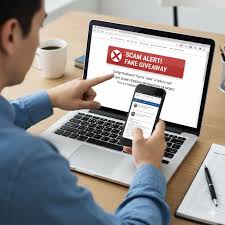
It’s exciting to see a contest or giveaway advertised. Who doesn’t love a chance to win something nice? But sometimes, what looks like a great opportunity can be a trick.
Scammers use these giveaways to steal your money or your personal details. It’s important to know how to spot these fake offers before you get caught. Let’s dive into how you can tell if a giveaway is real or a scam.
Spotting giveaway scams means recognizing common signs like requests for personal info upfront, payment demands, poor grammar, and unofficial communication channels. Stay vigilant to protect your money and data from fraudulent offers.
What is a Giveaway Scam?
A giveaway scam is a fake promotion. Scammers pretend to offer prizes like cash, electronics, or vacations. Their real goal is to trick you.
They want you to give them money. They might also want your bank account details or social security number. Sometimes, they just want your email address to send you more spam.
These scams can look very convincing. They often use logos of well-known companies. They might also create fake websites that look real.
These scams prey on our desire to get something for nothing. They create a sense of urgency. They make you feel like you might miss out on a big prize.
This makes people act fast without thinking. They don’t stop to ask if it’s real. The people behind these scams are often very clever.
They know how to make their offers seem legitimate. This makes it harder for people to know what’s true.
Why Do Scammers Use Giveaways?
Giveaway scams are popular with fraudsters for a few key reasons. They tap into a universal human desire. Almost everyone likes the idea of winning something.
This makes a lot of people willing to engage. They don’t have to convince you that you need a product. They just need to convince you that you might win one.
This is a much easier sell.
Scammers also find them useful for collecting information. This is called phishing. They might ask for your name, address, and phone number.
They might even ask for your social security number or credit card details. This information can be used for identity theft. They can open credit cards in your name.
They can take out loans. They can even access your existing accounts.
Another reason is to make money directly. They might tell you that you’ve won. But you have to pay a small fee first.
This fee is for “shipping,” “taxes,” or “processing.” Of course, there is no prize. You just send your money away. This is a very common tactic.
It works because the promised prize seems worth the small fee.
My Own Close Call with a Fake “Win”
I remember one evening, I was scrolling through social media. An ad popped up. It said I had won a brand-new smartphone.
It looked like it was from a popular phone company. The picture showed the latest model. It even had a fake “congratulations” banner.
My heart did a little jump. I thought, “Wow, I never win anything!”
The ad told me to click a link to “claim my prize.” The link led to a page that looked almost identical to the phone company’s official site. It asked for my shipping address. Then, it asked for a “small shipping fee” of $5.99.
It wanted my credit card number for this fee. Something felt off. Why would a big company charge for shipping a free prize?
It didn’t make sense. I closed the page quickly. I felt a bit disappointed, but mostly relieved that I didn’t give them my credit card.
Common Red Flags of Giveaway Scams
There are many signs that can help you spot a fake giveaway. Being aware of these signs is your first line of defense. Always look for these clues before you share any information or money.
Key Warning Signs to Watch For
Unexpected Contact: Did you enter a contest for this prize? If not, be very wary. Scammers often contact people out of the blue.
Requests for Money: Real prizes are free. You should never have to pay for shipping, taxes, or processing fees to receive a prize you’ve won. Sometimes, legitimate sweepstakes might involve taxes paid to the government, but not directly to the giveaway organizer as a condition of receiving the prize.
Requests for Personal Information: Be suspicious if they ask for your bank account details, social security number, or other sensitive data early on. Legitimate giveaways usually only ask for basic contact info like name and email if you win.
Poor Grammar and Spelling: Scammers often use broken English or make many mistakes. Official companies usually proofread their communications carefully.
Sense of Urgency: Scammers want you to act fast before you think. They might say the offer is only for a short time. Or that there are only a few prizes left.
Unofficial Communication: Are they contacting you through social media DMs from unknown accounts? Or from a generic email address? Official companies usually use their official website or verified accounts.
Types of Fake Giveaways
Scammers get creative. They use different types of fake giveaways. Knowing these common types can help you avoid them.
Common Fake Giveaway Scenarios
The “You’ve Won!” Notification
This is very common. You get an email, text, or social media message saying you’ve won something. It might be a prize you never entered for.
They will often ask for a fee or personal info to claim it.
The Fake Lottery or Sweepstakes
These scams claim you’ve won a lottery you never entered. Or they say you’re a finalist in a sweepstakes. Again, a fee or sensitive data is usually requested.
The Social Media Share Scam
Scammers post fake contests on social media. They ask you to like, share, and tag friends to enter. Sometimes, they use hacked accounts or fake company pages.
They might never give away a prize. Or they use it to collect data.
The Survey Scam
These ask you to complete a survey. They promise a prize or gift card for your time. After you finish, they ask for personal details or a fee.
The prize never materializes.
The Phishing Website
Scammers create fake websites. These look like real company sites. They advertise amazing giveaways.
When you enter your details, they go straight to the scammer.
How Scammers Get Your Contact Information
It might seem like these scammers know who you are. How do they get your name and email? There are several ways.
Where Scammers Find You
Data Breaches: When companies have their customer data stolen, scammers can buy or find this information. This includes names, emails, and sometimes more.
Public Records: Some personal details are public. Scammers can access this. Things like property records or voter registration lists can be used.
Social Media: If your profiles are public, scammers can see your name, location, and interests. They might use this to make their scam seem more personal.
Other Scams: If you’ve fallen for a scam before, scammers may sell your contact details to other fraudsters. They know you’re a potential target.
Malware: Some malicious software can collect your information from your devices.
Protecting Yourself from Fake Giveaways
The best way to deal with these scams is to be proactive. Follow these steps to keep yourself safe.
Your Shield Against Scams
- Verify the Source: Always check the official website of the company or organization. Look for contests listed there. Don’t trust links in emails or messages alone.
- Be Skeptical of “Too Good to Be True” Offers: If a prize seems unbelievable, it probably is. A brand new car for sharing a post? Unlikely.
- Never Pay to Win: This is a golden rule. Legitimate giveaways do not ask for money upfront to claim a prize.
- Guard Your Personal Information: Be very careful about who you give your details to. Your social security number, bank account, and credit card numbers are highly sensitive.
- Read the Fine Print: Look for official rules or terms and conditions. These are often missing from scam ads.
- Use Strong Passwords and Two-Factor Authentication: This protects your accounts if your login details are somehow compromised.
- Keep Software Updated: Update your operating system, antivirus software, and web browser regularly. This helps protect against malware.
Real-World Context: Where Scams Appear Most Often
Scammers aren’t picky. They will try to reach you anywhere they can. But some places are more common for these fake offers.
Online Platforms
The internet is a primary hunting ground. Social media platforms like Facebook, Instagram, and TikTok are rife with fake ads. Pop-up ads on websites are also common.
Even legitimate-looking emails can carry these scams. They can look just like offers from brands you know.
Email and Text Messages
You might get an email that looks like it’s from a big retailer. Or a text message saying you’ve won a gift card. These often have links.
These links can lead to phishing sites or ask for fees. Be extra careful with unexpected messages.
Phone Calls
Though less common now for giveaways, some scams still happen by phone. Someone might call claiming you’ve won a prize. They will then ask for your bank details to “send” you the money.
This is a clear sign of a scam.
What This Means for You: When to Worry
Knowing when a situation is normal and when it’s suspicious is key. Most legitimate sweepstakes have clear rules. They clearly state how to enter and how winners are chosen.
Normal Giveaway Scenarios
A real giveaway will often require you to enter. You might fill out a form on a company’s website. You might follow them on social media.
They might ask for your email for marketing purposes. If you win, they will contact you directly. They will likely ask for confirmation of your identity and mailing address.
They might mention tax forms for large prizes, but you don’t pay the organizer.
When to Be Concerned
You should worry if:
- You receive a “winner” notification without entering.
- They ask for money for any reason before you get the prize.
- They ask for your bank account or social security number right away.
- The communication uses poor grammar or spelling.
- The sender’s email address or social media profile looks fake.
- The website link doesn’t match the supposed company’s official site.
These are all strong indicators that something is not right. Trust your gut feeling. If it feels off, it probably is.
Quick Tips for Staying Safe
Here are some simple habits that can keep you from becoming a victim.
Your Quick Safety Checklist
Pause and Think: Before clicking or giving info, stop. Ask yourself if it makes sense.
Verify Independently: Go directly to the company’s website. Search for their official contests. Do not use the links provided by the scammer.
Never Pay Fees: If they ask for money, walk away. It’s a scam.
Protect Your Data: Treat your personal information like gold. Don’t share it lightly.
Report Suspicious Activity: If you see a fake giveaway, report it to the platform where you saw it. You can also report it to the Federal Trade Commission (FTC).
Frequently Asked Questions About Giveaway Scams
How do I know if a social media giveaway is real?
Check the account posting the giveaway. Is it verified? Does it belong to the official brand?
Look for a large number of followers and consistent activity from the brand. Read comments – other users might point out if it’s fake. Avoid giveaways from new or unverified accounts.
If they ask for money or personal details upfront, it’s a red flag.
Can legitimate companies ask for my social security number for a giveaway?
No, not usually for a typical giveaway. For very large prizes, like a car or a significant cash amount, the company might need your SSN for tax reporting purposes (like issuing a 1099-MISC form). However, this is done after you’ve won and confirmed acceptance of the prize.
They will never ask for it to “verify” you or to “process” your win. Be extremely cautious if this is requested early on.
I got an email saying I won a prize, but it has bad grammar. Is it a scam?
Yes, very likely. Poor spelling and grammar are common signs of scam messages. Legitimate companies have professional marketing teams that proofread their communications.
If the message is full of errors, it’s a strong indicator it’s not from a real business.
What should I do if I accidentally gave my credit card details to a scammer for a giveaway?
Contact your credit card company immediately. Explain what happened. They can cancel your card and issue a new one.
They can also help you dispute the charge. Then, change your passwords for any online accounts linked to that card or email address.
Are there any legitimate giveaway websites?
Yes, there are. Many well-known brands and companies run legitimate sweepstakes. Look for giveaways directly on their official websites or through their verified social media accounts.
Websites that aggregate sweepstakes can be okay, but always click through to the official rules and entry page on the sponsor’s site. Be wary of any aggregator that seems suspicious or asks for excessive personal information.
What is phishing and how does it relate to giveaway scams?
Phishing is when scammers try to trick you into giving up sensitive information, like passwords or credit card numbers, by pretending to be a trustworthy entity. Giveaway scams are a very common phishing tactic. The “prize” is the bait used to lure you into providing your personal details or financial information.
Conclusion
Spotting giveaway scams takes awareness and a bit of caution. By knowing the common tricks scammers use and trusting your instincts, you can avoid falling victim. Remember, if an offer sounds too good to be true, it probably is.
Stay safe and happy (and real!) winning!