Reporting giveaway fraud is important to protect yourself and others. This guide covers how to identify common scams, what steps to take if you suspect fraud, and how to report it to the right places. Knowing these steps helps keep online spaces safer for everyone.
Understanding Giveaway Fraud
Giveaway fraud happens when someone pretends to offer a prize or giveaway. The goal is usually to trick you into giving them money or personal information. These scams can look very real at first glance.
They often play on our desire for free things.
Scammers use many tricks. They might say you’ve won a big prize. But you have to pay a fee first.
This fee is often called a processing fee, shipping cost, or tax. Once you pay, they disappear. You never get the prize.
They might also ask for your bank details. This is so they can steal your money.
Common Types of Giveaway Scams
Knowing the common tricks helps you avoid them. Scammers are always changing their methods. But some tactics stay the same.
Let’s look at a few you might see.
Spotting a Fake Prize Notification
How it looks: You get an email, text, or social media message. It says you won a lottery, sweepstakes, or contest. The prize is huge, like a new car or cash.
You are asked to click a link. Or you must reply with personal data.
Why it’s a scam: Legitimate giveaways don’t ask for money upfront. They also don’t demand sensitive details like your Social Security number or bank account PIN. Real winners are usually notified through official channels, not random messages.
Another common scam involves fake charities. They might claim to be running a giveaway. Part of the proceeds goes to a good cause.
But the charity is fake. Or the money never goes to charity. This makes the scam seem more trustworthy.
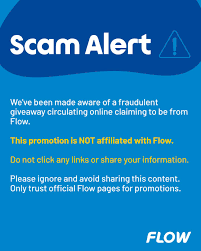
Sometimes, scammers impersonate well-known companies. They might use logos and names you recognize. This makes their fake giveaway seem official.
They hope you’ll trust them because you know the brand.
The “You’ve Won, Just Pay for Shipping” Trap
What happens: You “win” an item. It could be a phone, a gift card, or electronics. The catch is you must pay for shipping.
This cost is often high. Sometimes, it’s more than the item is worth.
The reality: There is no prize. The scammer just wants your payment. They might also collect your credit card details.
This can lead to more fraud.
Social media is a hotbed for these scams. Many fake profiles and pages run fake giveaways. They might ask you to share a post or tag friends.
This helps spread their scam. They promise a prize for engagement.
These scams can be very convincing. They use urgency. They might say the offer is only for a short time.
This pressures you to act fast. They want you to skip thinking it through.
My Experience with a Close Call
I remember one evening, scrolling through social media. I saw a post from what looked like a popular electronics store. It said they were giving away the latest smartphone to 10 lucky followers.
My heart skipped a beat. I’d been wanting that phone for ages! The post asked me to like the page, share the post, and comment with my favorite color.
I did all that. A few days later, I got a direct message. It said, “Congratulations!
You’ve been chosen!” I was so excited. The message then said I just needed to pay a small “processing fee” of $50 to cover shipping and handling. They wanted me to click a link to a website that looked very official.
It had the store’s logo and everything. But something felt a little off. Why would a big store ask for a fee like that?
I paused. I decided to do a quick search. I found forum posts from people who had fallen for similar scams.
They lost their money and never got a phone. That close call taught me a valuable lesson about checking things out before jumping in.
The “Survey and Win” Deception
The setup: You’re asked to complete a survey. It promises a chance to win a valuable prize. Surveys are often about your shopping habits or opinions.
They seem harmless and informative.
The danger: Scammers collect your personal data from the survey. This can include your name, address, phone number, and even birthdate. They sell this data to other scammers.
Or they use it for identity theft. You never win the prize.
Another tactic is phishing. Scammers send emails that look like they come from a legitimate company. They might say you need to “verify your account” to claim a prize.
This involves clicking a link. The link leads to a fake login page. It looks like the real company’s site.
If you enter your username and password, the scammers steal them. They can then access your actual accounts.
These scams target people of all ages. They can happen through email, text messages, social media, and even phone calls. It’s important to be aware of all these methods.
What To Do If You Suspect Fraud
If something feels wrong, trust your gut. Don’t ignore that feeling. There are clear steps you can take.
The most important thing is to stop communication immediately.
Do not click any links in suspicious messages. Do not reply to the sender. Do not give them any personal information.
This includes your name, address, phone number, email, or bank details. If they ask for a password or security question answer, do not provide it.
Immediate Actions to Take
- Stop communication: Do not reply or engage further.
- Do not click links: These can lead to malicious websites.
- Do not share information: Protect your personal and financial data.
- Block the sender: Prevent further contact.
If you have already shared information, act quickly. If you gave bank details, contact your bank right away. They can help you secure your account.
They can monitor for suspicious activity. They might be able to stop fraudulent transactions.
If you clicked a link, run a scan on your computer or phone. Use reputable antivirus software. This can help detect and remove any malware.
Change passwords for important online accounts, especially if you entered them on a suspicious site.
If You Gave Personal or Financial Data
Banks: Call your bank or credit card company. Explain what happened. Ask them to monitor your accounts and cancel compromised cards.
Credit Bureaus: Consider placing a fraud alert on your credit reports. Contact Equifax, Experian, or TransUnion. This warns lenders to verify your identity before opening new credit.
Identity Theft: If you believe your identity is stolen, file a report with the Federal Trade Commission (FTC) at IdentityTheft.gov.
It’s also a good idea to keep records. Save copies of the suspicious messages. Note down dates and times.
This information can be helpful if you decide to report the scam.
How to Report Giveaway Fraud
Reporting fraud is crucial. It helps authorities investigate. It also helps protect others from falling victim.
There are several places you can report these scams.
The Federal Trade Commission (FTC) is a key agency. You can report fraud and bad business practices at ReportFraud.ftc.gov. The FTC doesn’t resolve individual complaints.
But it uses these reports to build cases against scammers. They can take legal action.
Where to Report Online Scams
Federal Trade Commission (FTC): ReportFraud.ftc.gov. This is for reporting fraud, identity theft, and bad business practices.
Internet Crime Complaint Center (IC3): ic3.gov. This is a partnership between the FBI and the National White Collar Crime Center. It’s for reporting cybercrimes.
Consumer Financial Protection Bureau (CFPB): consumerfinance.gov. This agency helps consumers with financial products and services. You can report issues here.
If the scam happened on social media, report it directly to the platform. Most platforms have a way to report fake accounts, posts, or messages. This can help get the scammer’s profile removed.
It stops them from reaching more people.
For email scams, you can report them to your email provider. Most email services have a “report spam” or “report phishing” button. This helps train their filters.
Reporting on Social Media Platforms
- Facebook: Report fake pages, profiles, and posts directly on the platform.
- Instagram: Use the reporting tools within the app for suspicious accounts and comments.
- X (formerly Twitter): Report spam, fake accounts, and malicious tweets.
- TikTok: Report inappropriate content and fake accounts through the app’s reporting features.
If the scam involved a fake check or money order, you might report it to the U.S. Postal Inspection Service. They handle mail fraud.
If it involves a specific company, you can report them to the Better Business Bureau (BBB). While the BBB doesn’t enforce laws, it tracks complaints.
If you were asked to send money via wire transfer or gift cards, report it to the company you used. Western Union and MoneyGram, for example, have fraud reporting lines. They might be able to stop a transaction if it’s recent.
It’s a long shot, but worth trying.
Protecting Yourself from Future Scams
Prevention is always better than cure. Staying informed and cautious is your best defense. Think of it like locking your doors.
You do it to keep your home safe.
Always be skeptical of offers that seem too good to be true. They usually are. Take a moment to think before you act.
Who is offering this? Is it a real company or person? How did they contact me?
Key Prevention Strategies
Be Skeptical: If it sounds too good to be true, it probably is.
Verify Information: Look up the company or person independently. Don’t rely on the contact info they provide.
Protect Your Data: Never share sensitive personal or financial information online unless you are absolutely sure of the source.
Use Strong Passwords: Use unique, strong passwords for all your online accounts. Consider a password manager.
Enable Two-Factor Authentication (2FA): Add an extra layer of security to your accounts whenever possible.
Never give out your bank account numbers, credit card details, or Social Security number in response to an unsolicited email or message. Legitimate companies will not ask for this information that way. Instead, they’ll usually direct you to log into your secure account on their official website.
Be careful about what you share on social media. Scammers can use publicly available information to make their scams seem more personal. They might pretend to be a friend or family member.
This is called social engineering.
Advanced Security Tips
Secure Your Devices: Keep your phone and computer software updated. Install reputable antivirus software.
Educate Yourself: Stay aware of current scam trends. Read about new types of fraud.
Talk to Others: Discuss potential scams with friends and family. A second opinion can be helpful.
Use Secure Connections: Avoid entering sensitive data on public Wi-Fi. Look for ‘https’ in the website address.
Sometimes, it’s not just about money. Scammers can steal your identity. This can have long-lasting consequences.
So, taking these protective steps is very important for your overall security.
Real-World Scenarios and Red Flags
Let’s explore some scenarios you might encounter. This helps paint a clearer picture of how these scams work in practice.
Scenario 1: The Unexpected Prize Notification
You get an email saying you’ve won a $1,000 gift card from a major online retailer. To claim it, you must pay a $49.99 “processing fee” by clicking a link. The email uses the retailer’s logo.
It looks official.
Red Flags:
- Unsolicited prize: Did you enter a contest for this specific prize?
- Upfront fee: Legitimate companies don’t charge fees to claim a prize.
- Urgency and link: They want you to click a link quickly, likely to a phishing site.
- Grammar/Spelling: Often, scam emails have errors.
Scenario 2: The “Friend” Request for Help
A message pops up on social media from someone you know. They say they’re in trouble and need you to buy gift cards for them. They promise to pay you back quickly.
They might say their own cards aren’t working.
Red Flags:
- Unusual request: Is this typical behavior for your friend?
- Urgency: They claim it’s an emergency.
- Method of payment: Scammers love gift cards because they are hard to trace.
- Verification: Call your friend on a known phone number to verify. Don’t use the number in the message.
Contrast: Legitimate vs. Scam Giveaways
Normal Giveaway:
- Clear rules and entry methods.
- No request for payment to receive prize.
- Prize is delivered after winner verification.
- Official contact methods (company website, official social media).
Scam Giveaway:
- Vague or no official rules.
- Demands money for fees, taxes, or shipping.
- Asks for sensitive personal information upfront.
- Uses generic email addresses or suspicious links.
- Creates a sense of urgency.
Scenario 3: The “Too Good To Be True” Sweepstakes
You receive a letter claiming you’ve won a lottery or sweepstakes you never entered. It congratulates you on a massive cash prize. But first, you must send a certain amount for “taxes” or “processing.”
Red Flags:
- Winning a contest you didn’t enter: This is a classic sign.
- Payment required for winnings: Legitimate lotteries pay you. They don’t ask you to pay them.
- Demand for specific payment methods: Scammers prefer untraceable methods like wire transfers or gift cards.
- Official-looking documents: Scammers can forge these.
It’s important to remember that legitimate giveaways exist. Many companies offer them. But they operate transparently.
They follow rules. They don’t try to trick you.
What This Means for You
Understanding giveaway fraud helps you protect your money and your identity. It means being more aware when you see exciting offers. It’s about pausing to think before you click or share.
When it’s normal to see offers, it’s when they are clearly from trusted brands. You likely entered them yourself. They don’t ask for money first.
You can find their official rules on their website.
When to worry is when an offer feels off. If you’re asked for payment to get a prize. If you get unexpected notifications.
If the sender seems shady. These are signs to be extra careful.
Simple Checks You Can Do
Verify the Source: Go directly to the company’s official website. Look for the giveaway details there. Don’t use links from the suspicious message.
Read the Fine Print: Look for official rules. These usually explain how winners are chosen and contacted.
Search Online: Type the company name and “giveaway scam” or “prize scam” into a search engine. See if others have reported issues.
Trust Your Instincts: If it feels wrong, it probably is. Don’t be afraid to walk away from a deal.
Taking a few extra minutes to verify can save you a lot of trouble. It’s about being an informed consumer in a digital world. Your digital safety is just as important as your physical safety.
Quick Fixes & Tips
While there are no instant “fixes” for when you’ve been targeted by a scam, there are smart steps to take to minimize damage and prevent future issues.
Tip 1: Be a Digital Detective. Before entering any giveaway, do a quick search for the company and “giveaway reviews” or “scam.” Look for official websites, not just social media pages.
Tip 2: Never Pay to Play. If a prize requires you to pay a fee, tax, or shipping costs upfront, it’s almost always a scam. Legitimate giveaways handle these things differently, or they are part of the prize value.
Tip 3: Guard Your Personal Data. Your Social Security number, bank account details, and passwords are gold. Keep them safe. Only share them when you are absolutely certain of the recipient’s legitimacy and necessity.
Actionable Tips for Safety
- Verify the Sender: Check email addresses for odd domains (e.g., @gmail.com instead of @companyname.com).
- Use Strong Security: Enable two-factor authentication on all important accounts.
- Report Suspicious Activity: Use platform reporting tools and government agencies to report scams.
- Stay Informed: Keep up-to-date on common scam tactics.
Tip 4: Use Secure Payment Methods. If you must pay for something related to a giveaway (like an optional add-on), use credit cards. They offer better fraud protection than debit cards or wire transfers.
Tip 5: Educate Your Loved Ones. Talk to your family and friends, especially older adults and younger people, about these scams. Share what you’ve learned.
Frequent Questions
How can I tell if a social media giveaway is real?
Look for clear terms and conditions. Check if the company has a verifiable website. See if they have many followers and engagement.
Be wary if they ask for money or personal details too soon.
I got an email saying I won a lottery, but I never entered. What should I do?
This is very likely a scam. Do not reply or click any links. Report the email to your email provider as phishing.
You can also report it to the FTC at ReportFraud.ftc.gov.
What if I already paid money for a fake prize?
Contact your bank or credit card company immediately. Explain what happened. They may be able to help recover funds.
Also, report the scam to the FTC and IC3.
Can I report a fake giveaway even if I didn’t lose money?
Yes, you absolutely can. Reporting helps authorities track scammer activity. This can prevent others from losing money.
It’s important for community safety.
What kind of personal information is dangerous to share for a giveaway?
Never share your Social Security number, bank account details, credit card numbers, passwords, or your mother’s maiden name. Legitimate giveaways only need contact info like name and email, and usually only after you win.
Are all online sweepstakes scams?
No, not all online sweepstakes are scams. Many legitimate companies run them. The key is to be vigilant.
Always verify the source and look for red flags like requests for payment or sensitive data.
Conclusion
Navigating the world of online giveaways requires a sharp eye. Understanding how fraud works is your first line of defense. Always question offers that seem too good to be true.
Report any suspicious activity. By staying informed and cautious, you can protect yourself and help make online spaces safer.