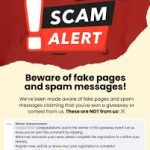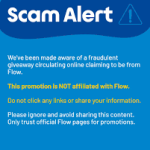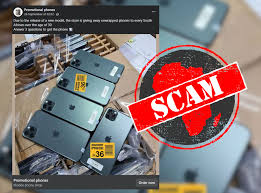
Giveaway scams are tricky traps online. They look real, like chances to win prizes. But they are fake.
Their goal is to steal your money or your private info. Knowing what these scams look like helps you stay safe and avoid being tricked.
What Are Giveaway Scams?
Online, people love contests. They offer real prizes. Scammers know this.
They create fake contests. These fake contests are called giveaway scams. They aim to trick you into giving them things they want.
This could be your bank details. It could also be your social security number. Sometimes, they just want you to pay a small fee.
This fee is supposed to be for shipping. But there is no prize coming.
These scams are everywhere. You might see them on social media. They can pop up in emails.
They might even show up on fake websites. The scammers make them look very real. They use logos that look like famous brands.
They use exciting language. They make you feel like you have already won.
My First Run-In With a Fake Prize
I remember a few years ago. I was scrolling through my feed one lazy Sunday afternoon. Up popped an ad.
It said I had won a brand-new laptop. It was from a store I liked. I clicked it.
A page loaded. It had shiny pictures of the laptop. It said, “Congratulations!
You’re our 1000th visitor!” My heart did a little jump. This had to be real, right?
Then, it asked for my address. That felt okay. It was just to mail the prize.
But then it said I needed to pay a small “processing fee.” It was only $5.99. “To cover shipping,” it said. Five ninety-nine?
That seemed so small. It felt like a good deal for a new laptop. I almost clicked “pay.” But something felt off.
Why would they charge for shipping on a prize they were giving away? I closed the tab. Later, I looked up the store.
They had no contest running. That felt like a close call. It made me more careful.
Spotting the Red Flags: Quick Checklist
Too Good to Be True? If it seems amazing, it probably is.
Urgency Tactics: Scammers say you must act fast.
Asking for Money: Real contests rarely ask for cash upfront.
Personal Info Needed: Be wary if they want sensitive data too early.
Bad Grammar/Spelling: Look for errors that look unprofessional.
Common Types of Giveaway Scams
Giveaway scams come in many forms. But they often share similar tricks. Understanding these common types helps you spot them faster.
Social Media Sweepstakes Scams
Platforms like Facebook, Instagram, and X (formerly Twitter) are popular spots. Scammers create fake profiles. They post ads for amazing prizes.
These prizes could be cars, vacation trips, or cash. They might say you’ve won by liking or sharing a post. But the “winners” often have to pay a fee.
Or they are asked to click a link. This link might lead to a phishing site. That site then steals your login details.
Sometimes, they ask you to “verify” your account. This means giving them your password. Never do this.
Legitimate companies will not ask for your password.
Contrast: Real vs. Fake Social Media Giveaways
Real Giveaways Often:
Verified Accounts: Run by official brand pages.
Clear Rules: Terms and conditions are easy to find.
No Upfront Fees: Prizes are awarded without payment.
Trusted Platforms: Use official entry methods.
Fake Giveaways Often:
Random Profiles: Created by unknown users.
Vague Rules: Terms are hidden or missing.
Demand Payment: Ask for “taxes” or “shipping fees.”
Suspicious Links: Direct you to unsafe websites.
“You’ve Already Won” Email Scams
You might get an email saying you’ve won something. This could be from a brand you know. Or it might be from a “prize notification center.” The email often looks official.
It might have a company logo. It will state you have won a prize. But to get it, you need to click a link.
This link is usually malicious.
The link might download malware onto your computer. Or it takes you to a fake login page. This page looks like a real site.
You enter your username and password. Then the scammers have your info. They can then access your accounts.
Another version asks you to confirm your details. They might ask for your full name, address, and birthday. This information can be used for identity theft.
They might even ask for your credit card number to “verify” your identity. This is a major red flag. Legitimate prize winnings do not require credit card verification.
Fake Charity Sweepstakes
Scammers sometimes pretend to be charities. They run fake sweepstakes. They say a portion of the proceeds goes to a good cause.
This makes people feel good about donating. But in reality, no charity benefits. All the money goes to the scammer.
Or they use the “charity” name to appear trustworthy while running another scam.
These can be very convincing. People want to help others. They also like winning prizes.
The scammer plays on these good feelings. They might use the name of a well-known charity. This makes it harder to doubt them.
Quick-Scan Table: Typical Scam Demands
| Scam Demand | What It Might Really Mean |
| “Small shipping fee” | Your money for nothing. |
| “Tax payment for prize” | They want you to pay taxes on a prize that doesn’t exist. |
| “Account verification” | They want your login details or sensitive personal data. |
| “Click this link to claim” | A trap to install malware or steal info. |
Gift Card Scams
Scammers might claim you’ve won a gift card. It could be for a popular store like Amazon or Walmart. They will tell you that you need to pay a small amount to “activate” the card.
Or they tell you to buy a specific gift card. Then you have to share the gift card number and PIN. This is how they steal the money on the card.
They play on the idea that a gift card is like cash. You can’t get the money back once it’s gone. So, if you give them a gift card number, that money is lost forever.
The scammers might also tell you that you have to buy the gift card from a specific store. This is just another way to make it seem legitimate.
“Lottery” Scams
These scams often come through email or mail. They tell you that you’ve won a foreign lottery. Or they say you’ve won a prize from a company you’ve never dealt with.
The catch is, you have to pay a fee. This fee is often called an “advance fee.” It’s supposed to cover processing costs or taxes. But the lottery or prize is fake.
You lose the money you paid.
The scammers might send you fake documents. These look like official lottery tickets or prize claims. They want to make it seem real.
They might even claim you need to pay these fees in a specific way. They might ask for wire transfers or gift cards. These methods are hard to trace and recover.
This makes them favorites for scammers.
Real-World Scenarios: How Scams Unfold
Let’s look at some common ways these scams play out in everyday life. These examples show how tricky they can be.
The “Too Good to Be True” Phone Call
Imagine you get a call. A friendly voice says you’ve won a big prize. Maybe it’s a new car or a large sum of money.
They sound official. They might even say they are from a well-known company. They will say you need to pay a small fee.
This fee is for “taxes” or “delivery costs.” They might tell you to buy a gift card. Then you have to read them the numbers on the back.
Once you give them those numbers, the money is gone. They hang up. You never get a prize.
The scammer uses those gift card numbers to get cash quickly. They might also try to get more personal information. They might ask for your bank account number.
They say it’s to deposit your winnings. But they just want to steal your money.
The Phishing Link in a Text Message
You get a text message. It looks like it’s from your bank or a delivery service. It might say, “Your package is waiting for delivery.
Click here to confirm your address.” Or, “There’s a security alert on your account. Click here to verify.” You click the link. It takes you to a page that looks exactly like the real website.
You enter your username and password. Or you might enter your credit card details to “confirm.” This is how they steal your login information. They can then access your accounts.
They might drain your bank account. Or they could make purchases with your card. It’s a very common and effective scam.
Observational Flow: Following a Scam
1. The Hook: You see an ad or get a message about winning something amazing.
2. The Lure: The message seems real. It might use a known brand’s name or logo.
3. The Ask: You’re told you need to pay a small fee or provide info to get your prize.
4. The Click: You either pay, give info, or click a suspicious link.
5. The Loss: Your money is gone, or your personal data is stolen.
6. The Silence: The scammer disappears. No prize ever arrives.
The “Fake Survey” Scam
Some scams ask you to fill out a survey. They say it’s for market research. Or they say it’s to help them choose winners.
After you finish the survey, they tell you you’ve won. But to claim your prize, you need to pay a small fee. Or you need to provide personal banking details.
This is a way to get your information or money.
The survey itself might also be a way to collect data. It could ask for details about your habits or preferences. This information can be sold to marketing companies.
Or it could be used to target you with other scams later on. The survey is just a front for their real goal.
What This Means for You: When to Be Cautious
It’s important to know that not all giveaways are scams. Many companies run legitimate contests. But you need to be smart.
You need to know the signs.
Normal vs. Concerning Signs
A legitimate giveaway might ask you to follow a brand on social media. They might ask you to share a post. They will likely have clear rules about how to enter.
They will tell you when the contest ends. They will tell you how winners are chosen. And they will announce the winner publicly.
A concerning sign is when they ask for money upfront. This is the biggest warning. Real prizes don’t cost you money to receive.
Another concerning sign is when they ask for too much personal information. Things like your social security number or bank account details should not be asked for early in a contest.
If a contest seems too exciting, like you’ve won something amazing that you didn’t enter, be very careful. Scammers want to create a feeling of surprise and disbelief. They want you to rush into claiming your prize without thinking.
Simple Checks You Can Do
Before you give any information or money, do a quick check. Is the company running the giveaway real? Search for their official website.
Look for the contest rules. Are they clearly stated? Can you find them easily?
Look at the social media page. Does it have many followers? Does it look professional?
Are there many posts from real people commenting? Or does it look new and empty? Check for typos and grammar errors in the contest post.
These can be signs of a scam.
If you get a call or email, do not click any links. Do not give any information. Instead, go to the company’s official website.
Find their customer service number. Call them directly. Ask if they are running such a giveaway.
This is the safest way to know for sure.
When to Worry: Key Warning Signals
- Payment Required: You must pay a fee to receive a prize.
- Excessive Personal Data: Asked for SSN, bank logins, or credit card details to claim prize.
- Unsolicited Prize: You “won” something you never entered.
- Urgency Demands: You have very little time to claim your prize.
- Poor Quality Communications: Bad grammar, spelling, or unprofessional design.
- Unclear Rules: No terms and conditions available or they are hard to find.
Quick Tips to Stay Safe
Protecting yourself from giveaway scams is mostly about staying alert. It’s about using common sense.
- Be Skeptical: If it sounds too good to be true, it probably is.
- Never Pay for a Prize: Real winnings are free.
- Guard Your Personal Info: Don’t give out sensitive data unless you are sure it’s safe.
- Verify First: Check with the company directly if unsure.
- Use Strong Passwords: Protect your online accounts.
- Watch for Phishing: Don’t click suspicious links.
- Report Scams: Let others know so they don’t fall victim.
Remember, your safety online is most important. A chance to win something should be exciting, not scary. By knowing the tricks scammers use, you can keep yourself and your information safe.
Frequently Asked Questions About Giveaway Scams
How do I know if a social media giveaway is real?
Look for a verified account. Check for clear contest rules. Real giveaways don’t ask for money upfront.
If it seems fishy, message the company through their official website to check.
Can I win a prize if I never entered a contest?
It’s extremely unlikely. If you get a message saying you won something you didn’t enter, it’s almost certainly a scam. Legitimate companies notify winners through official channels related to the contest entry.
What if a scammer asks for my Social Security number?
Never give out your Social Security number for a giveaway. Legitimate prize winnings do not require it. This is a major red flag for identity theft or financial fraud.
Are online surveys for prizes safe?
Some are, but many are not. Be very careful. If a survey asks for payment or personal banking details to claim a prize, it’s a scam.
Always research the survey company first.
What should I do if I think I clicked a scam link?
Change your passwords immediately for any accounts you might have logged into. Run a virus scan on your computer. If you entered financial information, contact your bank or credit card company.
How do scammers get my email or phone number?
Scammers get contact info from data breaches, public records, or by tricking you into giving it to them through fake forms or surveys. Sometimes they just buy lists of people’s information.
Final Thoughts on Avoiding Scams
Staying safe from giveaway scams takes a little awareness. It’s about trusting your gut. If something feels wrong, it probably is.
Keep these tips in mind. Protect your money and your personal details. Enjoy the real chances to win prizes out there.