
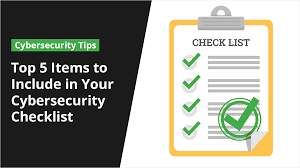
A secure giveaway means protecting your personal details and ensuring the prize is real. This checklist helps you identify trustworthy promotions, avoid scams, and keep your information safe while participating in online contests and giveaways.
Understanding Giveaway Security
Giveaways can be wonderful. They offer prizes for a little effort. Think about entering a sweepstakes for a new gadget or a gift card.
It’s exciting to think you might win. But with online activities, there’s always a chance for risks. Not all giveaways are honest.
Some people try to trick others. They might want your personal information. Or they might pretend to give away a prize they don’t have.
This is where understanding giveaway security comes in. It’s about knowing what to look for. It’s about staying safe online.
This article will guide you. We’ll cover how to check if a giveaway is safe. We will talk about what details to share and what to keep private.
You’ll learn to spot red flags. This way, you can enjoy entering giveaways without worry. Your peace of mind is key.
We want you to feel confident.
My First Scare with a “Too Good to Be True” Giveaway
I remember one time, I was scrolling through social media. I saw a post for a brand new, top-of-the-line laptop. It was being given away by a page I’d never seen before.
The pictures were amazing. The description said I just had to like, share, and tag three friends. Easy peasy, right?
My heart did a little flip. A free laptop! I was already picturing myself using it for work.
I quickly hit share and tagged my friends. Then I went to the page to see more. That’s when I noticed something strange.
The page had very few followers. Their profile picture was just a generic stock photo. It felt a little hollow.
I started to get a weird feeling in my gut. I looked closer at the comments. Most were just excited people saying “Wow!” or “Me!”.
But a few comments seemed a bit off. They were asking if it was a real giveaway. There were no answers from the page.
That’s when the slight panic set in. Had I just shared my profile with some scammer?
I quickly un-shared the post. I felt a bit silly, but also relieved. It was a good lesson.
If something seems too good to be true, it often is. That experience taught me to slow down and check things. Now, I always use a mental giveaway security checklist before I even think about entering.
Spotting Fake Giveaway Pages
Look at the Follower Count: A real company will likely have many followers. A page with very few might be fake.
Check the Profile Is it a professional logo? Or a generic image? Be cautious if it looks copied.
Read the “About Us” Section: Does it give real company info? Or is it vague?
Examine Past Posts: Are they all about giveaways? Or do they show real products and company news?
The Anatomy of a Trustworthy Giveaway
So, what makes a giveaway feel safe? It’s usually about transparency and professionalism. Think of brands you know.
When they run a contest, it feels different. They have clear rules. They have contact information.
They want to build trust, not take advantage.
A good giveaway will have clear terms and conditions. These are often called “T&Cs” or “Official Rules.” They tell you exactly how to enter. They explain who can enter.
They state when the giveaway starts and ends. They also mention how the winner will be picked and notified. This shows they’ve thought it through.
The company or person running it should be easy to find. If it’s a business, check their website. Look for social media profiles that are active and look real.
If it’s an individual, see if they have a history of honest dealings. Trustworthy giveaways don’t hide who they are.
The prize should make sense. A small local shop giving away a $10 gift card is believable. A brand new designer handbag from a brand new, unknown account might not be.
It’s about matching the prize to the giver.
Quick Scan: Trustworthy vs. Questionable
Trustworthy:
- Clear rules and eligibility.
- Known brand or individual.
- Realistic prize for the giver.
- Professional communication.
Questionable:
- Vague or missing rules.
- Anonymous or new accounts.
- “Too good to be true” prizes.
- Pressure to act fast.
Red Flags: What to Watch Out For
Now, let’s talk about the warning signs. These are the things that should make you pause. They are signals that a giveaway might not be on the up and up.
One big red flag is pressure. If a giveaway says “Enter NOW! Offer ends in 5 minutes!” it can be a sign.
Scammers want you to act fast. They don’t want you to think. They want you to click without checking.
Another sign is asking for too much personal information upfront. Do you really need to give your social security number to enter a giveaway for a coffee mug? Absolutely not.
Stick to information that is truly needed for a sweepstakes, like your name and email. Your bank details or SIN are usually unnecessary.
Requests for money are a huge red flag. A legitimate giveaway will not ask you to pay a fee to claim your prize. They might ask for shipping costs sometimes, but this should be stated clearly in the rules.
Anything asking for upfront payment to “unlock” your prize is a scam.
Spelling and grammar errors can also be a sign. While small typos happen, a giveaway riddled with mistakes might not be from a professional source. It could be a sign of a rushed or poorly planned scam.
Always trust your gut feeling.
Top Red Flags for Giveaways
Urgency: Pressure to enter immediately.
Overly Personal Data: Asking for sensitive info like bank details or SSN.
Payment Requests: Asking for money to claim a prize.
Poor Quality: Lots of typos, bad grammar, or low-quality images.
Lack of Contact: No clear way to contact the organizer.
Your Giveaway Security Checklist in Action
Let’s put this into practice. Imagine you see a giveaway. What steps do you take?
This is your personal giveaway security checklist.
Step 1: Who is running it?
- Is it a known brand? (e.g., Coca-Cola, Target, a popular blogger with a good reputation)
- If it’s a brand, visit their official website. See if the giveaway is promoted there.
- If it’s an unknown account, do a quick search for the account name. Look for reviews or mentions elsewhere.
Step 2: What are the rules?
- Can you find “Official Rules” or “Terms and Conditions”?
- Read them! Do they make sense? Are they clear about eligibility and prize details?
- Are there any hidden requirements?
Step 3: What information do they want?
- For entry: Name and email are usually fine.
- For claiming a prize: Address for shipping is okay.
- Anything more? Be very cautious.
Step 4: Is there any cost involved?
- They should never ask for money to receive your prize.
- Be wary of “processing fees” or “tax payments” requested upfront.
Step 5: Does it feel right?
- Trust your instincts. If something feels fishy, it probably is.
- It’s better to miss out on a prize than to be scammed.
Quick Decision Tree: Enter or Skip?
Start Here: You see a giveaway you like.
Question 1: Is it from a reputable source (known brand, trusted influencer)?
- Yes: Proceed to Question 2.
- No: STOP. Skip this giveaway.
Question 2: Are the rules clear and easy to find?
- Yes: Proceed to Question 3.
- No: STOP. Skip this giveaway.
Question 3: Does it ask for excessive personal information or payment?
- No: You can likely enter safely.
- Yes: STOP. Skip this giveaway.
Protecting Your Personal Information
This is a critical part of giveaway security. Your personal details are valuable. Scammers want them for identity theft or to send you spam.
Use a separate email address. Many people set up a free email account (like Gmail or Outlook) just for contests and online sign-ups. This way, if that account starts getting a lot of spam, it doesn’t affect your main email.
Be mindful of what you share publicly. When entering on social media, check your privacy settings. Do you want everyone to see that you entered this contest? Usually, it’s better to keep your personal profile private.
Never share passwords. A legitimate giveaway won’t ask for your existing online account passwords. This is a huge security risk.
Understand data usage. Most rules will state how your data is used. Some might say they’ll share it with partners. Think about whether you’re okay with that.
You can often opt out of marketing communications later.
Smart Data Habits for Giveaways
Dedicated Email: Use a separate email for contest entries. This helps filter spam.
Limited Public Sharing: Adjust social media privacy settings. Only share what you are comfortable with.
Password Safety: Never give out your login credentials to anyone. No legitimate giveaway requires it.
Review Privacy Policies: Understand how your information will be used by the organizer.
Common Scams to Watch For
Beyond just fake pages, there are specific scams that often use giveaways as bait.
Phishing Scams: These often come as emails or direct messages. They might say, “Congratulations! You’ve won!
Click here to claim your prize!” The link might take you to a fake website designed to steal your login details or financial information. The sender might look like a real company, but the email address is slightly off, or the website URL is misspelled.
“Delivery Fee” Scams: You might be told you’ve won a big prize, but you need to pay a small “delivery fee” or “insurance fee” to get it. Once you pay, the prize never arrives, and you might get asked for more money.
Fake Winner Notifications: Sometimes, a scammer will contact you directly, claiming you’ve won a prize from a contest you don’t even remember entering. They’ll ask for information to “verify your identity,” which is really them trying to steal your data.
Lottery Scams: Similar to delivery fee scams, these will claim you’ve won a large sum of money, but you have to pay taxes or fees upfront. Real lotteries and sweepstakes don’t work this way; taxes are usually paid by the winner to the government, not to the promoter.
Scam Type Breakdown
Phishing: Steals login or financial details via fake links.
Delivery Fee: Asks for money to ship a prize that never comes.
Fake Winner: Pretends you won something you didn’t, asks for info.
Lottery Scam: Demands upfront payment for taxes or fees on winnings.
When to Contact the Organizer (and How)
If you have genuine questions about a giveaway, it’s good to reach out. This shows the organizer is legitimate if they respond helpfully.
Look for a “Contact Us” page on their website. Or check their official social media profiles for a message option. A professional organization will have a clear way to get in touch.
What kind of questions should you ask? You could ask for clarification on the rules. Or inquire about the prize details.
If you’ve won, and you’re unsure about the notification process, it’s okay to ask for more information before providing sensitive data.
Be wary if they are hard to reach or if their responses are evasive. That’s another signal that something might be wrong. A good interaction builds trust.
A poor one raises suspicion.
What If You Suspect a Scam?
If you think you’ve encountered a giveaway scam, it’s important to act. Don’t just ignore it.
Report it. On social media platforms, there’s usually an option to report fake accounts or posts. Use it. This helps the platform remove the scammer and protect others.
Do not engage further. If you’ve already shared information, stop all communication. Don’t reply to any more messages or emails from them. Changing your passwords for any accounts where you might have used similar details is a good idea.
Inform friends and family. If a scam is circulating, let your network know. This can prevent them from falling victim.
Consider reporting to authorities. If you have lost money or sensitive information, you can report it to the Federal Trade Commission (FTC) at FTC.gov. You can also report fraud to your local police.
Steps if You Suspect a Scam
Report on Platform: Use the reporting tools on social media or email services.
Cease Contact: Do not respond to any further communication from the scammer.
Secure Accounts: Change passwords for any affected accounts.
Warn Others: Let friends and family know about the scam.
Official Reporting: Consider reporting to the FTC or local law enforcement if losses occurred.
Long-Term Giveaway Strategy
Entering giveaways can be fun. You don’t have to stop. You just need to be smart.
Think of yourself as a detective when you see a new offer.
Focus on Reputable Sources: Prioritize giveaways from brands you know and trust. They have more to lose from running fake promotions.
Read Before You Click: Make it a habit to look for the rules. Spend just a minute or two checking the source.
Be Skeptical of “Free”: Nothing is truly free. Understand what the giveaway organizer hopes to gain. Is it brand awareness?
Email subscribers? As long as their methods are honest, it’s okay.
Keep Records (Optional): For significant giveaways you enter, you might keep a note of the rules and the date. This is more for your own tracking if needed later.
A solid giveaway security checklist isn’t just about avoiding scams. It’s about making sure your participation is safe and enjoyable. It’s about protecting yourself in the digital world.
Frequently Asked Questions about Giveaway Security
Can I trust giveaways advertised on Facebook?
Many legitimate businesses and influencers use Facebook for giveaways. However, fake pages and scams are also common. Always apply your giveaway security checklist.
Look for verified pages, clear rules, and avoid sharing sensitive information or paying fees.
What’s the difference between a sweepstakes and a lottery?
Sweepstakes and contests are legal and common. Lotteries typically require payment to enter and are heavily regulated, often being illegal for private organizations to run without licenses. In legitimate sweepstakes, you should not have to pay to enter or to win a prize.
Should I use my main email for giveaways?
It’s highly recommended to use a separate, dedicated email address for giveaways and online sign-ups. This helps manage spam and protects your primary email account from potential phishing attempts related to contest entries.
How do I know if a prize notification is real?
Legitimate prize notifications will typically come from an official email address or social media account of the promoter. They will usually direct you to official rules for claiming. Be very suspicious if they ask for immediate payment, banking details, or personal identification before you’ve confirmed the win through official channels.
What if a giveaway asks me to share my banking information?
Never share your banking information, credit card numbers, or Social Security number for a giveaway. Legitimate prize claims usually only require your name and shipping address. Any request for financial details upfront is a major red flag for a scam.
How can I check if a company running a giveaway is real?
Search for the company name online. Visit their official website. Look for an “About Us” section, contact information, and social media profiles.
If the giveaway is on social media, check the page’s history, follower count, and engagement. If it seems too difficult to find legitimate information, be cautious.
Conclusion
Entering giveaways should be a fun experience. By using a careful approach and your giveaway security checklist, you can significantly reduce risks. Stay informed, trust your gut, and enjoy the chance to win!
Leave a Reply