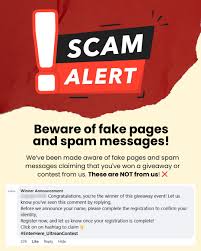
Fake winner announcements are scams designed to trick you into giving up personal information or money by pretending you’ve won a prize. They often create a sense of urgency and excitement to bypass your critical thinking. The goal is never to award a prize, but to exploit your trust.
What Are Fake Winner Announcement Scams?
These scams work by making you believe you’ve won something valuable. It could be a car. It might be a vacation.
It could even be a large sum of money. The scammer sends you a message. This message looks official.
It might be an email. It could be a text message. Sometimes it’s a pop-up ad.
The message tells you that you are the lucky winner.
But there’s always a catch. The scammer needs something from you. This is how they get what they want.
They might ask for your bank account number. They could want your Social Security number. They might ask for your credit card details.
Sometimes they ask you to pay a fee. This fee is supposedly for taxes. It could be for shipping.
It could be for processing. This fee is never real. The prize is also never real.
These scams prey on hope. They also use surprise. People are often excited when they think they’ve won.
This excitement makes them less careful. They want to believe it’s true. They don’t stop to think if it’s possible.
Scammers know this. They use psychological tricks. They make the offer seem too good to pass up.
Think about how you enter contests. Did you actually enter one recently? Did you enter the specific contest they claim you won?
If you don’t remember entering, that’s a huge red flag. Real sweepstakes and lotteries don’t pick random people from nowhere. You have to participate first.
The way these messages arrive is also telling. Official companies usually have strict rules. They follow specific procedures.
Scammers often use poor grammar. They might have spelling errors. The email address might look strange.
The sender’s name might be generic. These are all signs something is not right.
It’s important to remember that legitimate prizes are not usually delivered this way. You won’t get a text out of the blue saying you won millions. You won’t get an email asking for your bank details to send your prize.
These are classic signs of a scam.
The key is to always be skeptical. Question everything. Especially when it sounds too good to be true.
This vigilance is your best defense against these types of fraudulent schemes.
My Own Scare with a “Lottery Win”
I remember one time, late on a Tuesday. I was just scrolling through my inbox. Nothing important, I thought.
Then I saw an email with a subject line that jumped out: “Congratulations! You’ve Won the MegaMillions Jackpot!” My heart did a little flip. I had bought a ticket a week before.
I didn’t think much of it then.
The email looked pretty official. It had a logo that looked like the real lottery. It said I had won a huge amount.
I felt a wave of disbelief and then pure excitement. But then came the instructions. It said I needed to pay a small “processing fee” to release my winnings.
It also asked for my bank account details to deposit the money. That’s when the alarm bells started ringing. My stomach dropped.
I knew instantly. This was not real. The real lottery would never ask for money upfront.
They also wouldn’t ask for my bank details via email for a prize. It was a classic fake winner announcement scam. I felt a bit foolish for getting excited.
But mostly, I felt relieved I hadn’t clicked anything or sent any money. It was a stark reminder to always be careful with unexpected “good news.”
Spotting a Fake Notification
Look for these signs:
- Unexpected Contact: Did you enter a contest?
- Urgency: Are they pushing you to act fast?
- Fees/Requests: Do they ask for money or personal data?
- Poor Quality: Bad grammar or strange sender info?
How These Scams Evolve
Scammers are always finding new ways to trick people. They adapt their methods. They learn from what works.
For a long time, fake lottery wins were common. Now, they use other scenarios too. They might pretend to be from Amazon.
They could say you won a gift card. They might claim you won a new phone.
Social media is a big platform for them. You might see ads on Facebook or Instagram. These ads promise amazing prizes.
They ask you to click a link. That link might go to a fake website. Or it could download malware onto your device.
The goal is the same: get your information or money.
They also use popular brands. This makes their scams seem more believable. Who doesn’t shop at Walmart or Target?
When a scam says you won a prize from them, it sounds real. They create fake emails that look like the real company sent them. They might even use official-looking logos.
Another tactic is the “advance fee” scam. This is where they ask you to pay a small amount first. This is supposed to cover the cost of your prize.
You pay, but then the prize never arrives. They might even ask for multiple fees. Each fee is for a different “reason.”
They also use phishing techniques. This means they try to “fish” for your data. They send a fake message.
You click a link in the message. This takes you to a fake login page. You enter your username and password.
The scammer now has your login details. They can use this to steal your identity or money.
It’s important to stay updated on these trends. Scammers don’t stick to one trick. They change their tactics all the time.
Being aware of how these scams work is your first line of defense.
Why Are These Scams So Effective?
Several factors make these scams work so well. One big reason is human psychology. People naturally want to believe good things.
When a message says “You’ve won!”, it taps into our hopes and desires. We want to be lucky. We want to win big.
Scammers exploit this. They create a sense of urgency. They tell you that you must claim your prize quickly.
They say the offer will expire soon. This pressure makes people act without thinking. They don’t have time to verify the claim.
They just react.
Another factor is the appearance of legitimacy. Scammers are getting better at making fake messages look real. They use real company logos.
They copy the design of official emails. They might even use names that sound official, like “Prize Distribution Department.”
The use of well-known brands also adds to the credibility. When you see “You’ve won a new iPhone from Apple!” it sounds plausible. Most people have heard of Apple.
They know iPhones are valuable.
The complexity of online transactions also helps. People are used to online shopping. They are used to entering their details online.
This makes them less wary of providing information. They don’t realize that not all online requests are safe.
Finally, some people are simply not aware of these scams. They might be older adults. They might be less familiar with technology.
They might not have encountered these schemes before. Scammers target these vulnerable groups.
Understanding these psychological and practical reasons helps us see why these scams persist. It highlights the need for constant awareness and caution.
Common Prize Types Scammers Offer
- Cash Prizes: Often very large sums (lottery wins).
- Gift Cards: To popular stores like Amazon, Walmart, Target.
- Electronics: New iPhones, laptops, TVs.
- Vehicles: New cars or trucks.
- Vacations: Free trips to popular destinations.
- Free Products: Often for signing up for something.
Types of Fake Winner Scams
These scams can take many forms. Each one has a slightly different approach. But the core goal is always the same: to trick you.
The “Lottery Win” Scam
This is one of the oldest tricks. You get a message saying you won a major lottery. This could be a well-known lottery or a fake one.
The problem is, you never bought a ticket. Or you bought a ticket, but not for that specific drawing. They claim you won a huge jackpot.
To get it, you need to pay taxes or fees first. This is always a scam. Legitimate lotteries do not ask for money upfront.
The “Prize Notification” Scam
This is similar to the lottery scam. You are told you’ve won a prize from a sweepstakes or giveaway. It might be from a company you know.
For example, a “You’ve won a $1000 Walmart gift card!” email. Again, the scammer will ask for a fee. Or they will ask for personal details.
Sometimes they want you to visit a fake website to “claim” your prize. This website will then ask for your information.
The “You’ve Been Selected” Scam
This scam often appears as a pop-up ad or a social media message. It claims you’ve been selected for a special offer. It could be a free product.
It might be a discount. Often, the offer is tied to a survey. You complete the survey.
Then they ask for payment for shipping. Or they ask for your credit card details to “verify” your identity. The product never arrives.
Your data is compromised.
The “Shipping Fee” Scam
This scam focuses on getting you to pay for shipping. You might have “won” something. It could be from an online contest or a fake website.
The scammer says the prize is ready to be shipped. But you have to pay a shipping fee. This fee can range from a few dollars to hundreds.
Once you pay, they might disappear. Or they might ask for more fees for “insurance” or “handling.”
The “Customer Survey” Scam
This is a popular method on social media. Companies claim they are giving away prizes to people who take their survey. You fill out the survey.
Then they tell you that you’ve won. They then ask for a small fee. This fee is for taxes or processing.
The prize is never sent. This tactic often uses the names of big retailers to seem credible.
The “Secret Shopper” Scam
You might receive a check in the mail. It’s usually for more than you expect. The instructions say to deposit the check.
Then, use some of the money to buy gift cards. Send those gift cards to the scammer. You are told this is part of a “secret shopper” job.
The check is fake. It will bounce. You will lose the money you spent on the gift cards.
You might also owe the bank fees.
These different types show how versatile these scams are. They adapt to what might attract different people. The common thread is always the promise of a reward that requires something from you first.
Contrast Matrix: Real Prize vs. Fake Prize
| Real Prize Notification | Fake Prize Notification |
| You usually have to enter a contest or buy something. | You get notified out of the blue. You didn’t enter. |
| Legitimate companies do not ask for money upfront. | Asks for fees for taxes, shipping, or processing. |
| Uses official company channels (website, mail, phone). | Uses suspicious emails, texts, or pop-ups. |
| No pressure to claim immediately. | Creates a sense of urgency. “Claim now or lose it!” |
| Asks for personal info only if necessary for delivery (address). | Asks for sensitive data: SSN, bank details, credit cards. |
Recognizing the Red Flags
Spotting a fake winner announcement is crucial. There are common warning signs. If you see these, stop.
Don’t engage. Don’t share any information.
1. You Didn’t Enter the Contest
This is the biggest red flag. If you don’t remember entering any contest or giveaway, then you haven’t won anything. Legitimate prizes come from places where you actively participated.
Scammers often send these to millions of people, hoping a few will bite.
2. The Notification is Unexpected
A surprise message about winning money or a prize is suspicious. Especially if it comes via email, text, or a social media DM. If it’s unsolicited, be very cautious.
Real companies have rules about how they contact winners.
3. They Ask for Money Upfront
This is a classic sign of a scam. No legitimate contest or lottery will ask you to pay a fee before you receive your prize. This includes taxes, processing fees, shipping costs, or any other made-up charges.
If they ask for money, it’s a scam.
4. They Ask for Sensitive Personal Information
Be wary if they request your Social Security number, bank account details, credit card numbers, or passwords. Legitimate prize winnings might require your address for delivery. But they will never need your bank login or your Social Security number to send you a prize.
5. There’s a Sense of Urgency
Scammers often create pressure. They might say, “You must claim your prize within 24 hours!” or “This offer expires soon!” This is designed to make you rush. You won’t have time to think or check if it’s real.
Take your time. Verify first.
6. Poor Grammar and Spelling
Many scam messages have obvious errors. Bad grammar, strange phrasing, and typos can be a sign. While some official communications might have small mistakes, a pattern of poor language suggests it’s not from a professional organization.
7. Suspicious Sender Information
Look closely at the email address or phone number. Does it seem official? Is it a generic email like “gmail.com” or “yahoo.com” instead of a company domain?
Is the phone number unusual? Scammers often use fake or misleading contact details.
8. The Prize Seems Too Good to Be True
If the prize is incredibly valuable and you didn’t do much to earn it, question it. Winning a million dollars from a lottery you never entered is a huge red flag. If it sounds too good to be true, it almost always is.
By remembering these warning signs, you can protect yourself. Don’t let excitement cloud your judgment. Always think critically before acting on such notifications.
Quick-Scan Checklist: Is This a Scam?
- Did I enter this? (No)
- Did I win unexpectedly? (Yes)
- Are they asking for money? (Yes)
- Do they want sensitive data? (Yes)
- Is there pressure to act fast? (Yes)
- Is the grammar bad? (Yes)
- Is the sender weird? (Yes)
- Is the prize unbelievable? (Yes)
If you answered “Yes” to most of these, it’s likely a scam.
Real-World Contexts and How Scammers Use Them
Scammers often tap into everyday situations and popular platforms. They make their scams feel more familiar and therefore more believable.
Social Media Platforms
Facebook, Instagram, and Twitter are hotbeds for these scams. Scammers create fake profiles or pages. They run ads that look like official promotions.
They might claim a popular celebrity is giving away prizes. They use trending topics to their advantage. A fake “You’ve won a new PlayStation 5!” post can spread quickly.
Email Inboxes
Email remains a primary channel. Scammers craft emails that mimic legitimate companies. They use official-looking logos and formatting.
These emails often claim you’ve won a lottery, a sweepstake, or a gift card. They might also be disguised as notifications from online stores or shipping companies.
Text Messages (SMS)
SMS scams, or “smishing,” are also common. You’ll get a text saying you’ve won something. It might link to a fake website.
Or it will ask you to reply with information. These often create urgency, like “Your package is ready for delivery, click here to track!”
Pop-Up Ads and Websites
When browsing online, you might encounter pop-up ads. These claim you have a virus or that you’ve won a prize. Clicking these can lead to malicious websites.
These sites often ask for personal information or install harmful software.
Online Shopping Notifications
Scammers may impersonate popular online retailers. They might send fake order confirmations or shipping updates. Sometimes, these messages say there was an issue with an order you didn’t make.
They then ask you to click a link to “resolve” it, leading to a phishing site.
“Free Trial” Offers
While not strictly a “winner” announcement, these are related. Scammers offer a free product or service for a “small” shipping fee. You enter your credit card details.
You might get the item, but you’re also signed up for recurring charges. Or you get nothing at all, and your card details are stolen.
Understanding these common environments helps you stay vigilant. Be extra cautious when receiving unexpected notifications, no matter where they come from.
What This Means For You: When to Be Concerned
Most of the time, receiving a “You’ve Won!” message is a cause for concern. It’s rare to win something significant out of the blue. If you haven’t entered a contest, it’s almost certainly a scam.
When It’s Likely a Scam:
- You did not enter any contest or giveaway.
- The notification is unexpected and unsolicited.
- They ask for money for any reason (taxes, fees, shipping).
- They demand sensitive personal information (SSN, bank details, credit card).
- There is extreme pressure to act immediately.
- The sender’s contact information looks unprofessional or is generic.
- The prize is unbelievably large or valuable.
When It Might Be Real (but still requires caution):
- You recall entering a specific contest or sweepstake.
- The notification comes through official channels (e.g., a direct email from a known company’s domain, a verified social media account, or official mail).
- They ask for your name and address to arrange delivery, but nothing more.
- They do not ask for any payment or sensitive financial information.
- There is no pressure to claim immediately.
Even if you think it might be real, it’s always best to verify independently. Don’t click links in the suspicious message. Instead, go directly to the company’s official website.
Look for their customer service contact. Then, call them or send them an email to ask about the prize notification.
The core message is: assume it’s a scam until proven otherwise. This mindset protects you from losing money or your identity.
Simple Checks You Can Do
1. Verify independently: Don’t click links. Visit the company’s official website yourself.
2. Check your entries: Can you recall entering the specific contest?
3. Search online: Look for information about the specific prize or company. See if others have reported similar scams.
4. Call directly: Find the official phone number for the company and ask.
Quick Tips to Stay Safe
Staying safe from these scams is about building good habits. It’s about being smart online.
1. Be Skeptical of Unexpected Messages
If you get an email, text, or social media message about winning something you didn’t enter, be suspicious. It’s better to be too careful than too trusting.
2. Never Pay Fees for Prizes
This is the golden rule. Legitimate prizes do not require you to pay taxes or fees upfront. If anyone asks for money to release your prize, it is a scam.
3. Protect Your Personal Information
Do not give out your Social Security number, bank account details, or credit card information in response to a prize notification. This information is too sensitive to share unless you are absolutely sure of the recipient’s identity and legitimacy.
4. Don’t Click Suspicious Links
Links in unexpected messages can lead to fake websites designed to steal your data or install malware. Always navigate to official websites by typing the address yourself.
5. Use Strong, Unique Passwords
For any accounts you have, use strong, unique passwords. This makes it harder for scammers to access your online accounts if they do get your login details.
6. Enable Two-Factor Authentication (2FA)
Wherever possible, turn on 2FA. This adds an extra layer of security to your accounts. Even if someone gets your password, they can’t log in without the second code.
7. Report Scams
If you encounter a scam, report it. You can report it to the Federal Trade Commission (FTC) in the U.S. You can also report it to the platform where you saw the scam (e.g., social media site, email provider).
8. Educate Yourself and Others
Keep learning about new scam tactics. Share this knowledge with friends and family, especially those who might be more vulnerable.
These simple steps can significantly reduce your risk. They help you navigate the online world more safely.
Frequently Asked Questions About Fake Winner Scams
Do legitimate companies ever contact winners by email?
Yes, legitimate companies do contact winners by email. However, their emails will be professional, error-free, and will typically not ask for sensitive financial information or upfront payments. They will also usually state that you have won from a specific contest you recall entering.
What if I think I might have already fallen for a scam?
If you paid money, contact your bank or credit card company immediately. If you shared personal information, monitor your credit reports and consider placing a fraud alert. Change passwords for any accounts you might have compromised.
Report the scam to the FTC.
Are there specific scams targeting seniors?
Yes, seniors are often targeted. Common scams include fake lottery wins, tech support scams, and prize notifications. These scams often play on loneliness or a desire for extra income.
Educating seniors about these tactics is very important.
Can I win a prize from a country I’ve never visited or bought from?
It is highly unlikely. Most legitimate sweepstakes and lotteries are country-specific. If you receive a notification claiming you won a prize from a foreign lottery you never entered, it is almost certainly a scam.
What is “phishing” and how does it relate to prize scams?
Phishing is when scammers try to trick you into revealing personal information. Prize scams often use phishing tactics. They send fake notifications and ask you to click links to fake websites that look real.
These sites are designed to steal your login credentials or financial data.
How do scammers get my contact information?
Scammers can get your information from various sources. This can include data breaches from websites you’ve used, public records, or through other scams you might have fallen for. Sometimes, they just send mass messages hoping to catch someone.
What should I do if a scammer uses a real company’s name?
Always verify directly with the company. Do not use contact information provided in the suspicious message. Find the official website or customer service number for that company independently and reach out to them to report the fraudulent communication.
Conclusion
Fake winner announcement scams are a persistent problem. They rely on our hopes and the desire for good fortune. By understanding how these scams work and recognizing the common red flags, you can protect yourself.
Always be skeptical of unexpected notifications. Never pay money to claim a prize. Your personal information is valuable; guard it carefully.
Stay informed, stay vigilant, and stay safe online.