
What Are Giveaway Odds?
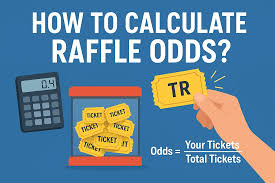
Giveaway odds are simply the chances you have of winning. They tell you how many people have a shot at winning compared to the total number of entries. Think of it like this: if there are 100 chances to win and 1,000 people enter, your odds are 100 out of 1,000.
This can be simplified to 1 out of 10.
Lower numbers usually mean better odds. A giveaway with 1 winner and only 50 total entries is much easier to win than one with 1 winner and 5,000 entries. The number of prizes also plays a big role.
More prizes mean more chances to win, which can improve your odds.
It’s important to remember that giveaway odds are usually quite small. This is especially true for popular contests with big prizes. They want lots of people to enter, which makes it exciting.
But it also means your personal chance of winning might be tiny.
Why Do Giveaway Odds Matter?
Knowing the odds helps you manage your expectations. You won’t get discouraged if you don’t win a huge contest with millions of entries. It also helps you spot giveaways that might be rigged or not worth the effort.
If the odds seem impossible, it’s okay to skip it.
For brands, understanding odds helps them run effective promotions. They want enough entries to get buzz. But they also want to give some people a real win to create happy customers.
It’s a balance. They need to make sure the prize is appealing enough to draw people in.
Also, some giveaways are designed to collect your information. The odds might be bad, but the goal isn’t really for you to win. They might be hoping you’ll sign up for a newsletter or share the giveaway with friends.
This helps them grow their audience.
How Are Giveaway Odds Calculated?
The basic formula for calculating giveaway odds is straightforward. You take the number of winning spots and divide it by the total number of entries received. Let’s use an example.
Imagine a small business running a contest for a $50 gift card. They decide to give away 5 gift cards. They hope to get 500 entries.
The calculation would be: 5 winning spots / 500 total entries. This gives you a fraction of 5/500.
To make this easier to understand, we simplify the fraction. 5/500 simplifies to 1/100. This means for every 100 entries, one is a winner.
So, your odds are 1 in 100. This feels much clearer than 5 out of 500.
If only 300 people entered, the odds change. Now it’s 5 winning spots / 300 total entries, which is 5/300. This simplifies to 1/60.
So, when fewer people enter, your odds get better.
The key is always knowing the number of winners and the total entries. Sometimes, the total entries aren’t known until the giveaway ends. This is common for online contests that run for a set time.
Key Factors Affecting Odds
Number of Prizes: More prizes mean more chances to win, improving your odds.
Total Entries: The more people who enter, the lower your individual odds become.
Type of Giveaway: Some are easy to enter, drawing huge numbers. Others require more effort, meaning fewer entries.
Geographic Limits: If a giveaway is only for people in a certain state or country, fewer people can enter. This can improve your odds if you live in that area.
My Own Giveaway Odds Experience
I remember one time I really wanted a new gaming console. A big tech company was giving one away. I saw the announcement and got super excited.
They said “Win a Next-Gen Console!” and I immediately clicked the link.
The entry method was to retweet their post and follow their account. Super simple. I did it right away, feeling pretty good.
I imagined myself unboxing it. That night, I looked closer at the contest rules. That’s when I saw it: “Open to US residents, 18+.
One winner selected from all eligible entries.”
I scrolled down to the official rules PDF. It took me a minute to find. There it was: “Estimated number of entries: 2,500,000.” Two and a half million entries.
And only ONE winner. My heart sank a little. My odds were 1 in 2,500,000.
It was a tiny chance. I felt a bit silly for getting so excited. But I also learned a lot.
That experience taught me to always check the fine print. It taught me to look for the number of prizes and the estimated or actual number of entries. Now, I’m much more realistic.
Factors That Influence Your Chances
Several things can make your odds better or worse, beyond just the raw numbers. Understanding these helps you pick the right giveaways.
Entry Method: Some giveaways require more effort. Think writing an essay or submitting a photo. These often have fewer entries because people don’t want to do the work.
Your odds are better there.
Other giveaways are super easy. Just click a button or share a link. These get tons of entries.
The odds are much lower. The effort you put in can directly relate to your chances.
Giveaway Size: Small local businesses or blogs often have smaller audiences. This means fewer total entries. If they offer a prize you want, your odds can be surprisingly good.
I’ve won gift cards from local bakeries this way.
Large national or international contests have massive reach. They attract millions. Even with many prizes, the sheer volume of entries makes winning very hard.
It’s like finding a needle in a haystack.
Prize Value: High-value prizes, like cars or trips, draw the most attention. Everyone wants them. This means huge numbers of entries.
The odds for these are usually the lowest.
Smaller prizes, like gift cards or merchandise, still get entries. But they usually don’t attract the same level of competition. Your odds might be better for these.
Timing: Entering early isn’t always better. But entering late might mean missing out if there’s a limit on entries. Most online giveaways run for a set period.
It’s often best to enter sometime in the middle.
Quick-Scan Table: Giveaway Entry Effort vs. Odds
| Effort Level | Typical Entry Volume | Estimated Odds |
|---|---|---|
| Very Low (Click to enter) | Very High (Millions) | Very Low (1 in millions) |
| Low (Follow/Retweet) | High (Hundreds of thousands) | Low (1 in tens/hundreds of thousands) |
| Medium (Share & Tag) | Moderate (Thousands) | Moderate (1 in thousands) |
| High (Creative Entry) | Low (Hundreds) | Good (1 in hundreds) |
Understanding “Odds Are Not Guaranteed”
You’ll often see phrases like “odds are not guaranteed” or “odds are estimates.” What does that mean in real terms? It means the final number of entries might be different from what they expected.
For example, a company might launch a giveaway hoping for 10,000 entries. They might state the odds based on that. But if their promotion goes viral, they could get 100,000 entries.
Suddenly, the odds are much worse for everyone.
Conversely, a giveaway might not get as much traction as planned. Fewer people enter. This improves the odds for those who did enter.
The “not guaranteed” part is a way for organizers to cover themselves if the numbers change significantly.
It’s why checking the official rules is so important. They often have a clause about how the number of entries can affect the final odds. This is common in large-scale promotions run by major brands.
When Are Odds “Good”?
Defining “good” odds is personal. It depends on what you consider a worthwhile chance. For most people, winning a $10 gift card from a local coffee shop with 50 entries feels like great odds (1 in 10 if there’s one prize).
That’s a tangible win.
Winning a $500 gift card with 5,000 entries (1 in 5,000) might still feel pretty good. It’s a decent prize for a reasonable effort.
Odds like 1 in 50,000 for a $100 prize start to feel less exciting. And 1 in 2 million for a car? That’s a long shot.
Here’s a general idea, but remember this is subjective:
General Odds Guide (Highly Subjective!)
Good Odds
1 in 10 to 1 in 500.
Often for smaller prizes from local businesses or niche communities.
Moderate Odds
1 in 500 to 1 in 10,000.
Common for medium-sized prizes or contests with a few more entries.
Low Odds
1 in 10,000 to 1 in 100,000.
Typical for popular giveaways with good prizes and widespread promotion.
Very Low Odds
1 in 100,000+.
Massive contests with huge prizes, millions of entries.
Many people enter giveaways more for the fun of it than the expectation of winning. It’s a bit of a lottery ticket. But if you’re strategic, you can increase your chances of hitting the jackpot.
Tips to Improve Your Giveaway Chances
While you can’t magically change the number of entries, you can make smarter choices. Here’s how I approach it:
Focus on Niche Giveaways: Follow blogs, social media accounts, or brands related to your hobbies. They often run smaller giveaways for their specific audience. The competition is usually much lower.
Enter Contests with Multiple Prizes: If a giveaway offers 5 prizes instead of 1, your odds are automatically better (assuming the same number of entries). If it’s 5 prizes and 100 entries, your odds are 5/100, or 1 in 20. Much better than 1 in 100.
Read the Official Rules: This is the most critical step. Find the official rules or terms and conditions. Look for the number of prizes and the estimated or maximum number of entries.
This gives you the real picture of your odds.
Consider Entry Requirements: If a giveaway requires a complex entry (like a creative submission), fewer people will enter. Your odds might be higher. Weigh the effort versus the potential reward.
Enter Daily or Weekly Giveaways: Some sweepstakes allow daily or weekly entries. While each entry is a separate chance, consistent entry can feel like building momentum. It keeps you in the running longer.
Avoid Giveaways That Seem Too Good to Be True: If a brand you’ve never heard of is giving away a brand-new car to just 100 followers, be skeptical. It might be a scam or have incredibly hidden terms.
Don’t Overdo It: Entering hundreds of giveaways a day can lead to burnout and make you miss the details. Pick a few that genuinely interest you and have reasonable odds.
Giveaway Entry Strategies: Myth vs. Reality
Myth: Entering Early Guarantees a Win
Reality: Most random drawings pick from all entries at the end. Early entry only matters if there are specific early bird prizes or if the number of entries is capped.
Myth: More Social Shares = Better Odds
Reality: Unless the giveaway specifically states bonus entries for shares that impact the drawing, sharing mainly helps the organizer get more visibility. Your core odds usually don’t change unless they offer bonus entries.
Myth: You Need a Special Trick to Win
Reality: For most random drawings, it’s pure luck. The best “trick” is choosing contests with better odds and ensuring your entry is valid.
Myth: Big Brands Always Have Impossible Odds
Reality: While often true for grand prizes, big brands sometimes run smaller, more frequent giveaways for their followers. These can have surprisingly good odds.
Is It Worth Entering Giveaways?
For many, the answer is a resounding yes. The “cost” of entering is often very low. It might be just a few minutes of your time or a simple click.
The potential reward is a free product, service, or experience. Even if you don’t win, you might discover a new brand or product you like. It’s a low-risk way to potentially get something for free.
However, it’s important to be realistic. Don’t spend hours a day entering giveaways if you have other important tasks. Treat it as a fun extra, not a primary way to acquire goods.
If you enter giveaways thoughtfully, focusing on those with better odds and prizes you truly want, the experience can be rewarding. I’ve won concert tickets, books, and gift cards this way. Each win feels like a delightful surprise!
Real-World Scenarios and Odds
Let’s look at a few common giveaway scenarios:
Scenario 1: Local Bakery Facebook Contest
Prize: $25 Gift Card. Entries: 75 people commented on their post. Odds: 1 winner / 75 entries = 1 in 75.
Assessment: Excellent odds for a nice treat!
Scenario 2: Major Retailer Online Sweepstakes
Prize: $500 Shopping Spree. Entries: Estimated 50,000. Odds: 1 winner / 50,000 entries = 1 in 50,000.
Assessment: Low odds, but a great prize if you win.
Scenario 3: Blogger’s Book Giveaway
Prize: 3 signed copies of a new novel. Entries: 300 people entered via a blog form. Odds: 3 winners / 300 entries = 3 in 300, which simplifies to 1 in 100.
Assessment: Very good odds for a prize you want.
These examples show how the scale of the prize and the audience size dramatically impact your chances.
What This Means for You
Understanding giveaway odds is about making informed decisions. It’s not about guaranteeing a win, but about maximizing your chances for the time and effort you invest.
When you see a giveaway, take a moment to ask:
- How many prizes are there?
- What is the estimated or actual number of entries?
- Does the effort to enter feel worth the potential reward?
- Are these odds realistic for me?
You’ll find that some giveaways are fun little gambles, while others are long shots. By knowing the odds, you can focus your energy on the ones that offer you the best opportunity.
Quick Fixes & Tips
Tip 1: Bookmark Official Rules Pages
When you find a giveaway you like, save the link to the official rules. This way, you can easily check the final entry numbers if they are posted.
Tip 2: Use a Separate Email for Giveaways
If you enter many giveaways, consider using a secondary email address. This helps keep your primary inbox clear of promotional emails and potential spam.
Tip 3: Set a Time Limit for Entering
Decide on a set amount of time you’ll spend on giveaways each week. Stick to it to avoid it becoming a time sink.
Frequent Questions About Giveaway Odds
How do I find the number of entries for an online giveaway?
Often, the official rules will state an “estimated number of entries” or a “maximum number of entries.” Sometimes, after the giveaway ends, the organizer will announce the total number of entries received. Checking the official rules page is your best bet.
Are giveaways run by influencers different from brand giveaways?
Yes, they can be. Influencer giveaways might have smaller audiences and thus lower entry numbers, potentially improving your odds. However, some influencers partner with brands for large-scale giveaways that can have massive entry counts, similar to brand-run contests.
Can I increase my odds by entering on different devices?
For most random drawings, no. Each person or email address usually gets one entry regardless of how many devices they use, unless the rules specifically state bonus entries for certain actions.
What does it mean if a giveaway is “geo-restricted”?
This means the giveaway is only open to people who live in a specific geographic area, like a state, region, or country. This limits the pool of potential entrants, which can improve your odds if you live in the eligible area.
Is it possible for a giveaway to have zero odds of winning?
Technically, if a giveaway is poorly advertised or has extremely limited entry methods and a very high prize value, it might attract very few entrants. However, in practice, most legitimate giveaways aim for a significant number of entries, so the odds are just very, very small, not zero.
Should I worry about scams when entering giveaways?
Yes, absolutely. Be wary of giveaways that ask for sensitive personal information upfront (like your Social Security number), require you to pay a fee to claim a prize, or seem too good to be true. Always check the legitimacy of the organizer.
Conclusion
Understanding giveaway odds takes the guesswork out of the process. It empowers you to choose contests wisely. Remember that luck plays a big part, but smart choices improve your chances.
Enjoy the fun of entering, and may your odds be ever in your favor!
Leave a Reply